

Panfish and Crappie Fishing Tackle
Small baits are not less serious. They are precision tools for light bites, pressured fish, clear water, cold water, smaller forage, and fish that will not chase a bait that is too big or falling too fast.
The Quick Answer
Start with the fishing situation, then tune size, jig weight, fall rate, profile, and control. Color matters, but panfish and crappie baits often come alive when the bait falls at the right speed, stays in the right depth zone, and looks small enough to eat.
Start with the Fish and Situation
Panfish and crappie tackle is usually about control. The right bait needs to match the fish’s mood, the depth they are holding, the cover they are using, and how willing they are to chase. A 1/32 ounce change in jig weight or a slightly smaller plastic can matter more than swapping through five colors.
Crappie Plastics
Use small minnows, shad profiles, tubes, grubs, and soft swimbaits when crappie are feeding around brush, docks, open water, weed edges, or suspended baitfish.
Panfish Plastics
Small bugs, worms, nymph-style plastics, and compact profiles work when fish are pecking, inspecting, or eating tiny forage instead of chasing a larger bait.
Ice Fishing Plastics
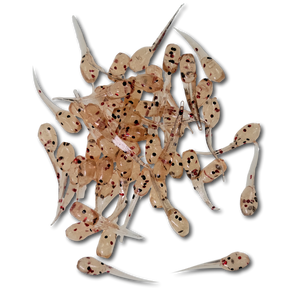
Tiny tails, micro plastics, and subtle bug profiles help when the bait needs to hang in a small window and move with very little rod input.
Small Jigs & Hair Jigs
Light jig heads, hair jigs, marabou-style baits, and compact jigs give you fall-rate control, a small profile, and a natural look in cold or clear water.
Panfish and Crappie Size Guide
Length matters, but the full profile matters more. A thin 2 inch minnow fishes differently than a thick 1.5 inch bug. Match bait size to forage, water clarity, fish mood, hook size, and the amount of time you need the bait to stay in front of fish.
| Profile | Best Use | Why It Works | Watch-Out |
|---|---|---|---|
| Micro plastics / tiny ice profiles | Ice fishing, cold water, finicky bluegill, perch, and crappie that are staring instead of chasing. | Small enough for light bites and subtle enough to hold still without looking dead. | Can be hard to control in wind, current, or deeper water without the right jig weight. |
| 1 to 1.5 inch panfish plastics | Bluegill, mixed panfish, shallow beds, docks, weed pockets, and light float presentations. | Matches small bugs, larvae, tiny minnows, and easy meals without overpowering small hooks. | Too much hook or jig head can kill the action and make the bait look stiff. |
| 1.5 to 2 inch crappie plastics | Brush piles, dock edges, vertical jigging, slow swimming, and everyday crappie fishing. | A strong starting size for crappie because it still looks small, but gives fish enough target to track. | If fish are short-striking, downsize or slow the fall before changing color. |
| 2 to 3 inch crappie minnows / small swimbaits | Casting, swimming, searching, open-water crappie, bigger fish, and active schools. | Looks more like a small baitfish and covers water better than tiny bug-style plastics. | Can be too much for cold fronts, clear water, or fish that want a bait held nearly still. |
| Hair jigs / small jig profiles | Clear water, cold water, suspended fish, slow swimming, and fish that need a natural glide or pulse. | Breathes and moves without much rod action, which can be ideal when fish want subtle movement. | Too much snap or speed can make a hair jig lose the quiet, natural look that makes it work. |
Fall Rate, Jig Weight, and Light Bites
Small baits are heavily affected by jig weight. A light head falls slower and stays above fish longer. A heavier head helps with depth, wind, current, and faster searching. The goal is not always the lightest jig possible. The goal is staying connected while keeping the bait in the bite window.
Lighter heads slow the fall
When crappie or bluegill are looking up, hovering around brush, or barely moving to eat, a slower fall can keep the bait in front of them longer.
Heavier heads add control
Depth, wind, current, boat movement, and long casts can make a tiny bait hard to feel. Use enough weight to know where the bait is.
Tail action has a limit
A kicking tail helps when fish are chasing. In cold water or tough bites, too much movement can look wrong. Smaller tails and bug profiles can win.
If fish follow but will not eat
Try a slower fall, smaller profile, subtler tail, or pause the bait longer. Fish that are interested but not committing often need less speed, not just a new color.
If you cannot feel the bait
Go slightly heavier, shorten the cast, fish more vertical, or simplify the profile. Control comes first because you cannot repeat what you cannot feel.
Best Panfish and Crappie Presentations
The same bait can fish completely differently depending on how it is presented. Pick the presentation first, then choose the bait that fits the depth, cover, speed, and amount of control you need.
Cast and Swim
Best with small minnows, shad profiles, grubs, and paddle tails when crappie are active, roaming, or feeding around open lanes, weeds, docks, and suspended bait.
Vertical Jigging
Best around brush, docks, bridge pilings, deeper cover, ice holes, and fish you can keep the bait directly above. Small changes in cadence matter here.
Dock Shooting / Skipping
Best when crappie are tucked under shade, slips, walkways, and hard-to-reach dock corners. Compact plastics and balanced jig heads help the bait skip cleaner.
Brush Pile Jigging
Best with compact plastics, small tubes, minnows, and light jigs that can stay close to cover without constantly hanging up or falling below the fish.
Slip Bobber / Float Presentations
Best when you need to hold a small bait at a precise depth. This shines for panfish, crappie around cover, and fish that want the bait nearly still.
Ice Fishing Vertical Presentations
Best with micro plastics, tiny bug profiles, small tails, and compact jigs. Watch how fish react and adjust fall, shake, pause, and bait size before making big changes.
Slow Drag / Bottom Contact
Best for bluegill, perch, and mixed panfish when they are relating to bottom, sparse weeds, beds, or small invertebrates instead of chasing baitfish.
Hair Jig Glide
Best when fish want a small bait that pulses naturally with very little rod movement. Let the material work instead of constantly popping the jig.
Small Baitfish Search
Best when crappie are active enough to chase. Use small swimbaits or minnow profiles to cover water, then slow down once you contact fish.
Color, Water Clarity, and Fish Mood
Color is easier once the profile and fall rate are close. In clear water, start natural and subtle. In stained water, add visibility. In dirty water, low light, or ice fishing, think glow, contrast, silhouette, and accents. On a tough bite, downsizing and slowing the fall may beat changing color.
Clear Water
Natural, translucent, smoke, pearl, baitfish, subtle bug tones, and lighter colors help small baits look believable when fish can inspect them.
Stained Water
Chartreuse, white, pink, orange, darker contrast, and brighter tails can help fish track a small bait without completely overpowering the profile.
Dirty Water / Low Light / Ice
Glow, contrast, silhouette, bright accents, and simple shapes can matter more than subtle natural detail when fish need help finding the bait.
Tough Bite
Before cycling colors, try a smaller profile, slower fall, subtler tail, lighter jig, or longer pause. Small fish and cold fish punish too much movement.
Common Panfish and Crappie Mistakes
Using too heavy of a jig head
Changing color before changing fall rate
Fishing above or below the fish
Using too much bait action in cold water
Overpowering small plastics with the wrong hook
Moving the bait too much when fish want it held still
Care, Storage, and Recycling
Storage
Store flat in the original bag to preserve shape. Keep dark colors separate to avoid bleeding. Compatible with most gel scents.
Plastics Recycling
Don’t toss torn baits, recycle or dispose of properly. Learn more here: https://qwikfishing.com/recycling/
Related Guides
Use these when you want to go deeper on small plastics, crappie jig heads, panfish presentations, color, size, fall rate, and bait control.
Are You a Panfish or Crappie Bait Maker?
Are you a bait maker that would like to see your panfish jigs, crappie plastics, ice plastics, hair jigs, or small-profile tackle featured here? Qwik Fishing is built around useful tackle from real small bait makers, not just the same wall of mass-market baits everywhere else.
Let’s Talk Baits