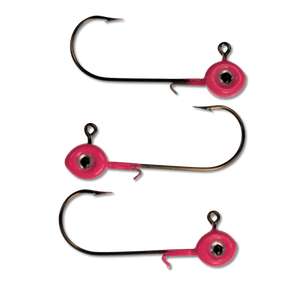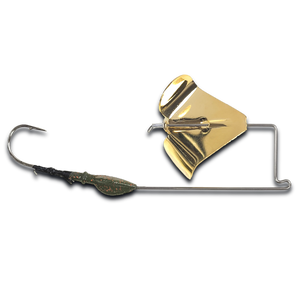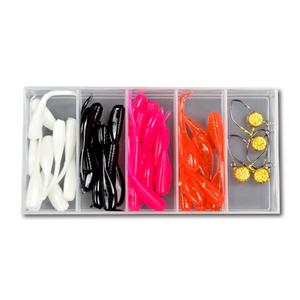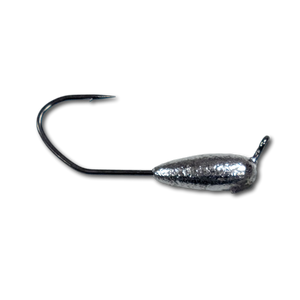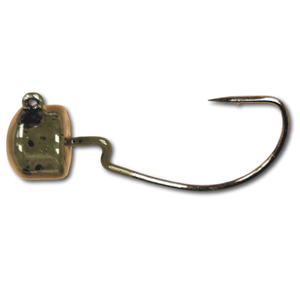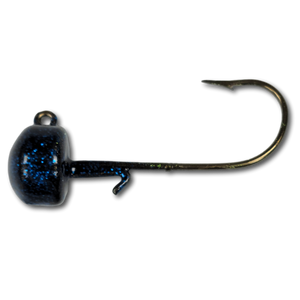


Match the head to the bait.
Jig heads control how your soft plastic falls, swims, stands, hovers, shakes, or tracks through the water. Start with weight, hook style, bait match, and presentation, then choose the head that fits the job.
How to choose jig heads
Start with the bait and the presentation, then narrow by hook, weight, head shape, and how you want it to move.
Controls fall rate, depth, bottom contact, and swimming speed.
Hook StyleMatch hook size, wire, gap, and exposure to the bait and fish.
Bait MatchPair the head shape and hook with the plastic profile.
PresentationDragging, swimming, hovering, shaking, snapping, or vertical fishing.
Shop by jig head type
Pick the head style that matches the bait and how you want to fish it.


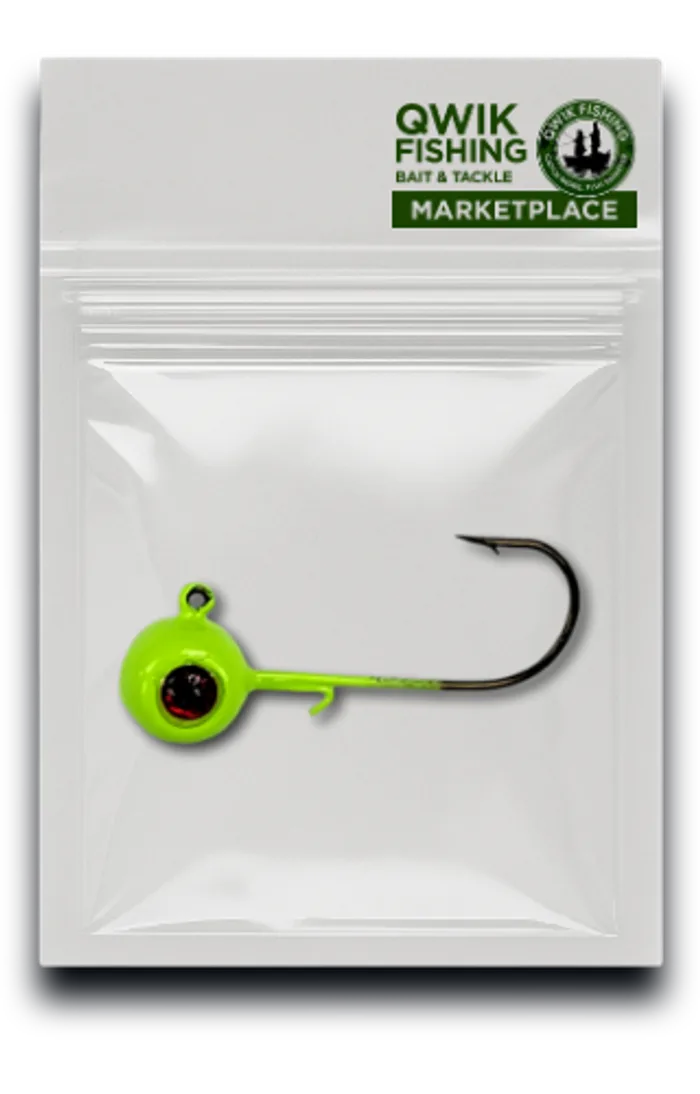


Shop by fishing job
Sometimes the better starting point is what you need the jig head to do with the bait.
Jig Heads Guide — weight, hook style, bait match, and presentation
Weight
Weight changes fall rate, bottom contact, casting distance, swimming depth, and how naturally the bait moves. Go lighter when you want hang time and heavier when you need contact or depth.
Hook Style
Hook size, wire strength, gap, shank length, and hook exposure all matter. Match the hook to the plastic, target species, cover, and how hard you plan to fish it.
Bait Match
The head should fit the bait’s body and action. A tube, Ned bait, swimbait, wacky worm, crappie plastic, and hover bait all ask for different rigging choices.
Presentation
Dragging, swimming, shaking, hovering, snapping, vertical fishing, and slow falling all need different head shapes and weights. Start with the presentation, then pick the head.
Ready to shop? Use the filters below to narrow by jig head style, size, weight, brand, and the soft plastic you want to rig.
Jump to products