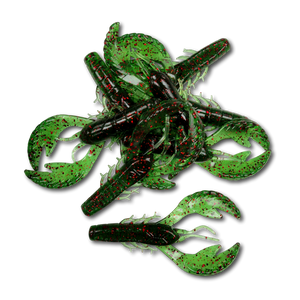


Soft Plastic Craws
Jig trailer, Texas rig, or finesse presentation? Start with how you fish. We'll show you the baits that fit.
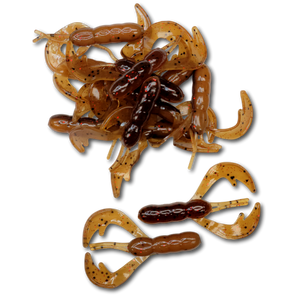
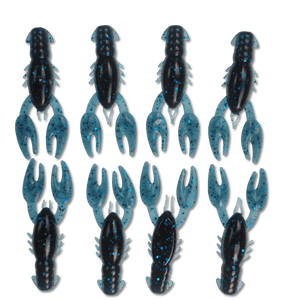
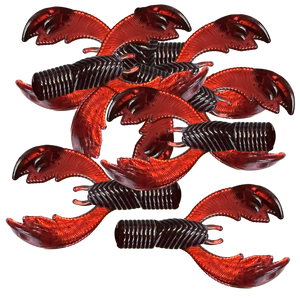
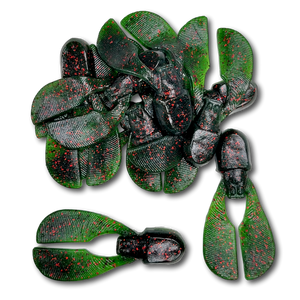
Browse the craws. Tap a small photo to see it up close.
Loading baits…Click the photo to shop this bait - hover to zoomTap the photo to shop this bait
Pick a fishing style. The baits below will change - you will stay on this page.
Showing available craws
Finding our craws…
The showcase uses products from the current category listing.
How to Choose Soft Plastic Craw Baits
Soft plastic craws can do more than imitate a crawfish. The shape, claw movement, and body size change how a bait falls, how much water it moves, and where it fishes best. Start with your rig and the cover in front of you. Then choose a craw that gives you the right profile and action.
Craws for Jig Trailers
A craw or chunk trailer changes the look and fall of a skirted jig. A compact chunk keeps the bait easy to work around rock, wood, and docks. Wider, active claws add drag and movement, which can help a jig fall more slowly and stand out.
Check that the trailer fits the hook and does not crowd the hook gap. Choose the fall and movement you want before deciding on color.
Craws for Texas Rigs
A Texas-rigged craw works well when you need a weedless bait around brush, grass, docks, or laydowns. Start with a body that fits your hook, then match the weight to the depth and cover.
A streamlined profile moves through thicker cover more easily. Bigger claws and a wider body add movement and can slow the fall.
Finesse Craws for Tough Bites
Small craws with modest claw movement are useful on lighter jigs, Ned-style heads, and other compact bottom-contact setups. They are worth trying when fish are pressured, the water is clear, or larger baits are getting short strikes.
For a slower, quieter presentation, look for smaller claws and less bulk rather than simply changing colors.
Big Craws for Heavy Cover
A larger craw can make a stronger silhouette when you are flipping, pitching, or fishing stained water. The extra bulk may help bass find the bait, but it can also slow the fall and affect how cleanly the rig passes through cover.
Check hook fit and cover first. A big craw is not automatically the best choice just because the fish are big.
Choosing Size and Action
A 2- to 3-inch compact craw and a bulkier 3.5- to 4-inch craw can behave very differently. Consider the full silhouette, not just the listed length. Subtle claws are good for a slower, natural look. High-action claws kick and move more water.
Color, Fall Rate, and Water Clarity
Natural browns, greens, and craw patterns are practical starting points when fish can see the bait clearly. In stained water or heavy shade, greater contrast may help. If you are not getting bites, check depth, fall speed, and action before changing through every color in the box.
Not Sure Which Craw to Start With?
For an everyday bass setup, start with a roughly 3- to 3.75-inch craw matched to your jig or Texas rig. Pick a compact, moderate-action bait when you want a controlled fall. Choose bigger or more active claws when you need more movement or a stronger silhouette. The filters above can help you narrow the selection.
More Help Choosing Soft Plastics
Read our Jig Trailer Guide for trailer sizing, movement, and rigging.
See the Soft Plastic Bait Guide for profile, action, and fall-rate basics, or our Soft Plastic Size Guide when choosing between compact and larger baits.