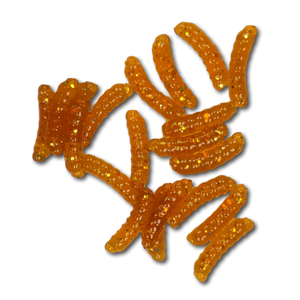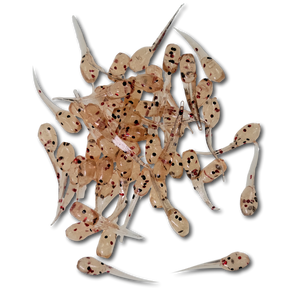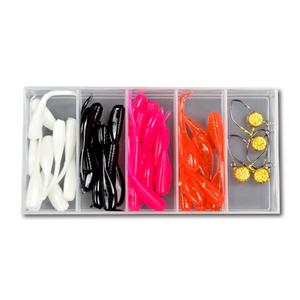


Ice Fishing Soft Plastics
Ice fishing soft plastics are small, precise bait profiles built for tungsten jigs, panfish jigs, small spoons, finesse jig heads, and cold-water fish that often have time to inspect every little movement before they eat.
The Quick Answer
Start with what the ice plastic needs to do under the hole. Does it need to replace waxies or spikes, imitate a bug, add a compact profile to a tungsten jig, give crappie or perch a tiny minnow target, quiver with almost no rod movement, hang still while fish inspect it, or add color and scent to a small spoon? Once that job is clear, size, thickness, tail style, hook fit, color visibility, softness, durability, scent compatibility, and cadence get much easier.
Start with the Ice Plastic’s Job
An ice fishing soft plastic can be a micro panfish plastic, crappie ice plastic, bluegill plastic, perch plastic, walleye ice plastic, bug plastic, nymph plastic, bloodworm-style plastic, mayfly-style plastic, wedge plastic, minnow-style ice bait, tungsten jig plastic, ice jig trailer, or finesse cold-water bait. The species, jig size, hook gap, water clarity, depth, light, fish mood, tail action, body size, cadence, and whether fish want live bait, still plastic, tiny quiver, or a more visible target decide which ice plastic makes sense.
Micro Panfish Plastics
Use micro plastics when bluegill, crappie, and finicky panfish want a small target that fits tiny hooks, fishes cleanly on tungsten, and does not overpower the jig.
Bug / Nymph / Bloodworm Plastics
Use bug, nymph, mayfly, larvae, wedge, and bloodworm-style plastics when fish are feeding on small aquatic insects or inspecting slow presentations closely.
Minnow / Baitfish Ice Plastics
Use minnow-style ice plastics when crappie, perch, or walleye want a baitfish look, a slightly larger target, or a small trailer on a spoon or horizontal jig.
Tail-Action / Quiver Plastics
Use micro tails, noodle-style plastics, split tails, and quiver baits when fish need a little movement to track the jig but still reject big open-water action.
Ice Fishing Soft Plastic Size and Profile Guide
Ice plastics usually come down to size, thickness, tail style, body shape, softness, durability, scent compatibility, jig fit, hook gap, color, species, depth, water clarity, light, fish mood, cadence, and whether the bait needs to quiver, pulse, glide, hang still, imitate a bug, or imitate a small minnow.
| Profile | Best Use | Why It Works | Watch-Out |
|---|---|---|---|
| Micro wedges | Bluegill, pressured crappie, tungsten jigs, clean compact profiles, and subtle bites. | A wedge adds shape without much bulk and helps a tiny jig look like an easy meal. | Too large of a wedge can crowd the hook gap on very small jigs. |
| Spike-style plastics | Replacing spikes or waxies, tiny hooks, bluegill, crappie, and panfish. | They give a clean live-bait-style profile with more durability and color control. | They may need scent or a longer pause when fish are demanding real bait. |
| Bloodworm-style plastics | Stained water, red tones, insect imitation, panfish, and slow presentations. | The thin profile and strong color cue can match larvae or bloodworm-style forage. | Bright red can be too loud in clear water when fish want muted natural colors. |
| Nymph-style plastics | Bug imitation, clear water, finicky panfish, light bites, and natural movement. | A compact nymph gives fish a realistic insect target that can be barely moved. | Too much jigging can make a natural nymph profile look wrong. |
| Mayfly-style plastics | Insect hatches, basin fish, suspended panfish, and natural forage matching. | The shape fits fish that are feeding on small aquatic insects instead of minnows. | They can be easy to overpower with too much jig size, hook size, or rod movement. |
| Bug / larvae plastics | Bluegill, crappie, perch, subtle bottom or suspended presentations, and finesse jigging. | Bug profiles match a lot of what panfish actually eat under the ice. | Keep the plastic balanced with the jig so it does not look bulky or nose-heavy. |
| Tiny straight-tail plastics | Still presentations, neutral fish, clear water, and fish that dislike extra movement. | A straight tail can hang naturally and avoid over-triggering fish that are already cautious. | It may not call fish from far away in stained water or low light. |
| Micro tail-action plastics | Tiny quiver, active fish, low visibility, and fish that need a little movement to find the bait. | The tail adds life with tiny rod shakes instead of needing big snaps. | Too much tail action can turn lookers away on a tough bite. |
| Noodle-style plastics | Constant small movement, panfish, crappie, perch, and cold-water quiver. | Longer thin tails keep moving with very little rod input. | They can wrap, foul, or look too busy if the fish want a still bait. |
| Split-tail ice plastics | Minnow imitation, crappie, perch, walleye, and baitfish overlap. | The split tail gives a small baitfish cue without needing a bulky body. | Match hook size carefully so the bait hangs straight and does not block the gap. |
| Minnow-style ice plastics | Crappie, perch, walleye, small spoons, horizontal jigs, and fish feeding on baitfish. | A minnow profile gives a more visible target when fish want baitfish instead of bugs. | Too much size can turn away bluegill or pressured crappie. |
| Crappie ice plastics | Suspended fish, basin fish, glow colors, minnow profiles, and slightly larger targets. | Crappie often respond to a visible profile they can track from below or off to the side. | Crappie can still get picky, so bigger is not always better. |
| Bluegill ice plastics | Micro jigs, small hooks, bug profiles, tiny plastics, and picky bites. | Small plastics fit bluegill mouth size and keep the bait from looking oversized. | A plastic that hides the hook point or crowds the gap will cost fish. |
| Perch ice plastics | Bugs, bloodworms, minnow profiles, bottom-oriented fish, and schools. | Perch may eat insects near bottom or chase small baitfish depending on mood and location. | When schools are moving fast, a bait that drops too slowly can miss the window. |
| Walleye ice plastics | Larger minnow-style plastics, spoon trailers, low light, and aggressive fish. | A slightly larger plastic can add profile, color, and scent to a walleye ice setup. | Keep it matched to the spoon or jig so it does not kill the action. |
| Tungsten jig plastics | Compact profile, fast drop, tiny hook fit, and precision fishing. | Tungsten gets down quickly and fishes small, so a compact plastic keeps the package balanced. | Bulky plastics can overpower the jig and block hook clearance. |
| Spoon trailer plastics | Added profile, scent, color, and small baitfish or bug look on spoons. | A small plastic trailer can change the spoon’s target size without changing the whole bait. | Too much trailer can reduce flutter, fall, or hook exposure. |
| Scent-compatible plastics | Replacing live bait, tough bites, and fish that hold the bait longer. | Scent can help when fish inspect closely or taste the bait before committing. | Check plastic compatibility and storage so scent does not damage or deform baits. |
Matching Ice Plastics to Jigs and Hooks
Jig and hook size matter even more under the ice because the whole package is small. A plastic that looks perfect in the bag can still cause missed bites if it crowds the hook gap, hangs crooked, kills the jig action, or needs more rod movement than cold-water fish will tolerate.
Tungsten jigs need compact plastics
Tungsten jigs drop fast and fish small, so wedges, spikes, bugs, and small quiver plastics usually fit better than bulky open-water profiles.
Hook gap is not optional
If the plastic crowds the hook gap, fish can bite the bait without getting pinned. Trim, downsize, or change the jig when hookups suffer.
Horizontal jigs like balance
Horizontal jigs pair well with minnow-style, split-tail, tail-action, and balanced plastics that hang naturally and pulse without spinning.
Vertical jigs like compact profiles
Vertical jigs work well with wedges, bugs, spikes, nymphs, and compact plastics that add shape without pulling the jig out of balance.
Small spoons can use plastic trailers
A small plastic on a spoon can add color, scent, profile, and a baitfish or bug cue, but too much trailer can kill spoon action.
Rigging straight matters
Tiny plastics magnify small mistakes. If the bait hangs crooked, spins, or looks bulky, re-rig before assuming the fish do not want that color.
Bug plastics should look natural
Nymphs, mayflies, larvae, and bloodworm-style plastics usually shine with small lifts, holds, and tiny shakes rather than aggressive jigging.
Tail-action plastics need tiny movement
A good ice tail should move with small rod shakes. If it needs big snaps to work, it may be better suited to open water.
Downsizing can beat color changes
When fish rise, look, and fade away, try a smaller plastic, smaller jig, cleaner rigging, or longer pause before cycling through every color.
Best Ice Fishing Soft Plastic Presentations
Ice plastics are not only live-bait replacements. They let you tune profile, color, movement, scent, durability, and hook fit without changing the entire jig. That matters when fish want the same general bait, but a slightly different size, hang, quiver, or visibility level.
Tungsten Jig with Micro Wedge
Use a compact wedge when bluegill or crappie are close to the bait but want a small clean profile.
Bluegill Bug Plastic Over Weeds
Fish a small bug or nymph just above weed tops with short lifts, tiny shakes, and longer holds.
Crappie Minnow Plastic in a Basin
Use a slightly larger minnow-style plastic when suspended crappie need a more visible baitfish target.
Bloodworm Plastic Near Bottom
Use a red or bloodworm-style plastic when panfish or perch are feeding low and inspecting small insect profiles.
Nymph Plastic for Clear Water Panfish
Use natural bug colors and a light cadence when fish can see well and reject louder plastics.
Tiny Straight Tail for Negative Fish
When fish follow but will not commit, switch to a smaller straight tail and hold it still longer.
Micro Quiver Tail on Suspended Crappie
Use a tiny tail that moves with very little rod input so the bait stays alive while hanging above fish.
Split-Tail Minnow for Perch
A small split-tail minnow works when perch are roaming, feeding on baitfish, or moving between bottom and mid-water.
Spoon with Small Plastic Trailer
Add a tiny plastic to a spoon when you want more color, scent, or profile without constantly rebaiting.
Walleye Spoon with Minnow-Style Plastic
Use a larger minnow-style plastic on a spoon when low-light walleye want a stronger baitfish target.
Sight-Fishing Bluegill with Tiny Plastics
Watch how fish react and adjust fast. Downsizing, holding still, or reducing tail action often matters more than color.
Deadstick-Style Plastic Presentation
Use a plastic that hangs clean and looks natural at rest when fish are biting on the pause.
Aggressive Jigging with Tail-Action Plastic
When fish are active, a tiny tail can help call fish in while still keeping the bait small enough to eat.
Slow Lift and Hold
Lift the bait slowly above the fish and hold it. Many ice bites happen after the bait stops.
Color Swap Without Changing Jig Size
Keep the same jig and change only the plastic color when fish like the fall but need a different visibility cue.
Plastic as Live-Bait Replacement
Use scent-compatible plastics when fish are willing to eat plastic and you want durability, cleaner handling, and faster bait changes.
Color, Water Clarity, and Ice Conditions
Color matters under the ice, but the first question is still what the bait needs to do. Once size, hook fit, jig balance, and cadence are close, color helps fish find the bait, match forage, or commit when light penetration and water clarity change.
Clear Water / Bright Light
Natural, smoke, translucent, clear, motor oil, green pumpkin, brown, subtle glitter, natural bug, and muted minnow colors are good starting points.
Stained Water
Chartreuse, glow, white, pink, orange, red, black, purple, gold, contrast colors, and UV-style visibility can help fish track a small bait.
Dirty Water / Low Light
Glow, chartreuse, white, hot pink, orange, black, red, high contrast, and silhouette colors help the bait show up when visibility is poor.
Bluegill / Bug Feeding
Brown, green pumpkin, bloodworm red, motor oil, black, natural bug, tan, olive, and translucent colors fit small insect forage.
Crappie / Minnow Feeding
White, pearl, glow, smoke, silver flake, chartreuse, pink, natural minnow, shad, and clear with flake help imitate small baitfish.
Perch
Bloodworm, red, brown, chartreuse, orange, gold, natural minnow, bug colors, and perch tones can all fit depending on whether fish are low or roaming.
Walleye
Glow, white, chartreuse, orange, pink, minnow colors, gold, black, purple, and low-light contrast can help on spoons and larger ice plastics.
Tough Bite
Downsize the plastic, reduce tail action, use a smaller jig, hold still longer, change cadence, and adjust fall or visibility before changing everything.
Common Ice Fishing Soft Plastic Mistakes
Choosing the plastic before choosing the jig
Using a plastic that crowds the hook gap
Using too much plastic on a tiny tungsten jig
Using too much action when fish are inspecting
Using too little visibility in stained water or low light
Upsizing when fish actually want smaller
Changing color before changing cadence
Jigging too aggressively with micro plastics
Ignoring how the bait hangs at rest
Forgetting fish often bite on the pause
Using open-water plastics that overpower ice jigs
Not checking rigging after missed bites
Ignoring species-specific mouth size
Treating ice plastics like live bait instead of tuning the presentation
Ice Plastic vs Live Bait vs Minnow vs Grub vs Leech vs Open-Water Finesse Plastic
Ice fishing plastics are useful because they let anglers control profile, color, durability, movement, and scent without constantly rebaiting. Live bait can still be excellent when fish demand taste or scent. Waxies and spikes are compact and natural, but less durable and less customizable. Minnows can be better for larger crappie, perch, and walleye when fish want real baitfish movement. Small grubs offer tail action but may be too bulky or active for finicky panfish. Soft leech-style plastics can be good for subtle movement but are less insect-specific. Open-water finesse plastics often need to be trimmed or downsized because ice jigs and panfish hooks are much smaller.
| Bait Type | Best For | Why You’d Choose It | Watch-Out |
|---|---|---|---|
| Ice plastic | Tungsten jigs, micro jigs, panfish, crappie, perch, walleye, color control, durability, bug imitation, minnow imitation, and live-bait replacement. | It lets you control size, color, movement, scent, and hook fit without constantly rebaiting. | It still needs to match the jig, hook gap, cadence, and fish mood. |
| Waxies / spikes | Natural scent, tiny hooks, bluegill, crappie, and finicky panfish. | They are compact, natural, and familiar to ice anglers. | They are less durable and offer less color, profile, and movement control. |
| Minnows | Larger crappie, perch, walleye, deadsticks, set lines, and fish keyed on real baitfish. | Real baitfish movement and scent can be hard to replace when fish demand it. | Minnows require more management and do not offer the same quick color or profile changes. |
| Grub | Simple tail kick, slightly larger ice presentations, crappie, perch, and active fish. | A grub gives easy movement and a familiar jig-and-plastic profile. | It may be too bulky or active for negative panfish. |
| Leech-style plastic | Subtle movement, finesse bites, panfish, walleye, and slow presentations. | A leech-style plastic gives a softer profile and slow movement. | It is less specific when fish are feeding on bugs, larvae, mayflies, or bloodworms. |
| Minnow-style plastic | Baitfish imitation, crappie, perch, walleye, spoons, and horizontal jigs. | It gives a baitfish look while staying durable and easy to change. | It can be too large for bluegill or pressured panfish. |
| Bug / nymph plastic | Bluegill, pressured panfish, insect forage, subtle bites, and clear water. | It matches small aquatic insects and works well with tiny movements. | It may not call fish as well in dirty water or low light without the right color. |
| Open-water finesse plastic | Adapted ice use, trimmed profiles, larger panfish, perch, crappie, and experimental setups. | Some open-water plastics can be cut down to create useful ice profiles. | They can overpower tiny ice jigs if not trimmed and matched carefully. |
Care, Storage, and Recycling
Storage
Store flat in the original bag to preserve shape. Keep dark colors separate to avoid bleeding. Compatible with most gel scents.
Plastics Recycling
Don’t toss torn baits, recycle or dispose of properly. Learn more here: https://qwikfishing.com/recycling/
Related Guides and Categories
Use these when you want to go deeper on ice plastic size, color, jig fit, fall rate, hook gap, and nearby soft plastic profiles that overlap with cold-water finesse fishing.
Are You an Ice Fishing Soft Plastics Maker?
Are you a bait maker that would like to see your ice fishing plastics, micro plastics, panfish plastics, crappie ice plastics, bluegill plastics, perch plastics, walleye ice plastics, finesse ice baits, ice jig plastics, soft plastic nymphs, wedges, mayfly-style plastics, bloodworm-style plastics, minnow-style ice plastics, or small-batch cold-water soft plastics featured here? Qwik Fishing is built around useful tackle from real small bait makers, not just the same wall of mass-market baits everywhere else.
Let’s Talk Ice Baits