

Table Rock Baits 2.00" Trout Worm Soft Plastic Bait

Compact 2" ribbed trout worm with a fine tapered tail for natural drifts, light jigs and micro Ned presentations. A versatile finesse profile for trout and pressured bass.

Best For
Float Rig Micro Jig Ned Rig Finesse
Profile Compact
Action Subtle
$3.99
10 Baits Per Pack
Current Stock:
$6.99 flat-rate shipping Orders over $50 Ship Free
All orders are hand made to order and ship with tracking as soon as possible. Usually this is within 7-10 business days but may be longer depending on volume of orders. Ships from Missouri.
Adding to cart… The item has been added
(No reviews yet)
Why Choose the 2.00" Trout Worm?

A little worm that does more than catch trout.

The Table Rock Baits 2-inch Trout Worm is a compact, ribbed soft plastic with a thicker blunt end that narrows into a fine pointed tail. It gives you a simple worm profile without a paddle tail, curl or oversized appendages. On a light jig or beneath a float, it can drift, fall and move with very little rod input. That makes it a natural choice for trout in current seams, stocked ponds and pressured water where fish have time to inspect a bait.

But don't overlook it for bass. That short, narrow body also makes an interesting micro finesse Ned option when smallmouth or largemouth are feeding close to bottom and ignoring larger plastics. Thread the thicker end onto an appropriately sized light Ned-style head, let the pointed tail remain free, and work it with slow drags, tiny hops and complete stops. The worm is not confirmed to be buoyant, so its bottom posture should be evaluated rather than assuming it will stand upright.

The ribs add texture to a slim silhouette, while the fine taper gives the bait room to bend and settle during a slow drift. Its strength is control, not exaggerated action. When fish need a small target that doesn't race away, this is a profile worth keeping ready.

Each package contains 10 baits.

Choose this bait when...

  • Trout are holding in a current seam and need a natural drift.
  • Stocked trout are following larger or faster baits without eating.
  • You want a short worm under a float or on a light jig head.
  • Smallmouth or largemouth need a downsized bottom-contact presentation.
  • Clear water or fishing pressure favors a slim, subtle bait.
  • You want one small worm that crosses between trout, panfish and bass finesse fishing.

Choose something else when...

  • Fish are actively chasing baitfish and you need a stronger swimming tail.
  • Current is so heavy that a small worm cannot be presented naturally.
  • You specifically need a proven buoyant, upright-standing Ned plastic.
  • Fish are looking for a larger worm silhouette or more movement.
  • Heavy grass or wood calls for a larger weedless presentation.
  • You need the lift and vibration of a paddle tail or curly-tail grub.
Primary Presentations

Drift it for trout. Slow it down for bass.

Two very different presentations make sense for this little worm. One lets the water do the work. The other keeps the bait close to bottom and gives fish time to examine it.

Primary

Trout Float Rig / Controlled Drift

Thread the worm straight onto a suitably small jig hook. In a tailwater, cast slightly upstream or across the current and guide the bait along seams, soft edges, slow pockets and transitions between fast and slow water. Use a float when you need to hold the bait at a repeatable depth or follow a feeding lane for a longer distance.

Why It Works

The slim profile offers little resistance to the current, while the tapered end responds to the water's movement. The ribs supply texture without relying on a strong tail kick. Trout get a small target traveling naturally through their feeding lane.

Rigging

Begin with a light jig head that tracks straight. Choose weight according to current speed and depth. Position the float so the worm passes at the fish's level or slightly above them. Mend line when necessary to prevent drag from pulling the worm unnaturally across the current.

Also Strong

Micro Finesse Ned / Drag & Pause

Put the thicker end of the Trout Worm onto a small, short-hook Ned-style jig head. Cast across gravel, rock transitions, shallow points or the outside of a riprap bank. Let the bait settle, drag it only a short distance, then stop. Add an occasional tiny hop or subtle line shake rather than repeatedly snapping it off bottom.

Why It Works

The two-inch worm creates a much smaller target than many conventional bass plastics. That can be an advantage when pressured smallmouth or largemouth are willing to inspect a bait but reluctant to chase something larger. The fine taper gives the presentation a natural trailing shape, even when movement is minimal.

Rigging

Start with a light mushroom or finesse Ned head and a hook short enough to leave useful flexible worm behind the exit point. A 1/16-ounce head is a reasonable shallow-water starting point when conditions permit; increase weight only for depth, wind or contact. Check hook gap and actual fit. Buoyancy and upright posture have not been verified.

Secondary Uses

More ways to put two inches to work.

A small straight worm can be useful beyond its original trout application. These presentations let you adjust depth, fall and movement without switching to a larger bait.

Slow Swimming in Stocked Trout Ponds

Cast past cruising trout, count the bait down to their depth and retrieve just quickly enough to keep the worm tracking straight. Add a brief pause when a fish follows. The thin tail will not create the kick of a swimbait, so rely on a controlled, natural path rather than speed.

Tailwater Seams and Current Breaks

Work the worm along the softer water beside a faster lane, behind rocks or near the edges of deeper runs. Adjust jig weight so the bait neither rides far above the trout nor digs continuously into bottom. A clean drift generally matters more than extra rod-tip action.

BFS and Ultralight Smallmouth Fishing

Fish the Trout Worm on light BFS or spinning tackle around gravel flats, creek mouths and rocky banks. Short casts and a gentle bottom crawl can be particularly useful when smallmouth are feeding on small forage and rejecting bulkier Ned plastics. Keep the line tight enough to detect a bite without dragging the worm constantly.

Micro Drop Shot Above Rock

Nose-hook the thicker portion of the worm on an appropriately small drop-shot hook and suspend it a short distance above rock or gravel. Lightly shake the line without pulling the rig away from the fish. This gives the worm a different, off-bottom presentation when a conventional Ned rig is too close to the lake floor.

Crappie and Panfish Beneath a Slip Float

A two-inch worm can also tempt crappie and larger bluegill that are willing to eat a narrow plastic. Suspend it near dock pilings, brush edges or weed openings. Use occasional small twitches followed by stillness, rather than constantly pulling the bait through the school.

Cold Water and Long Pauses

When trout or bass stop chasing, reduce movement first. Use a lighter head when conditions allow, let the worm fall slowly, and hold it near the fish. On bottom, use a tiny drag followed by a longer stop. Suspended beneath a float, let the worm settle before adding another small movement.

Color and Conditions

Natural olive, with a little blue flash.

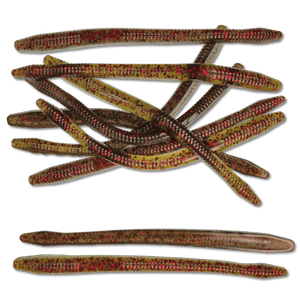
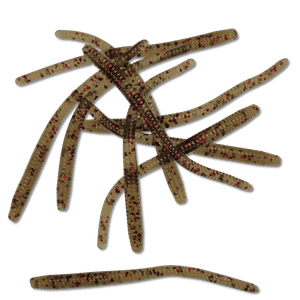
The supplied photograph is labeled Olive Blue Flake and shows a muted olive-green body with darker areas and scattered blue glitter. The ribbed surface catches light along the worm while the narrow pointed tail remains relatively understated. This is an appealing natural-color direction for clear water, pressured fish and slow presentations.

Color helps fish locate and inspect the bait, but depth, drift quality and retrieve speed should come first. Select other available colors from the product options above rather than assuming that any particular shade or finish is offered.

Clear Water / Bright Conditions

Olive Blue Flake is a sensible starting point when fish have a good view of the bait. Its subdued body is appropriate for a natural presentation around rock, gravel and clear-water current seams. Use light line and avoid unnecessary movement when fish are following closely.

Stained Water / Cloudy Skies

The darker olive portion may provide a useful silhouette in moderately stained water. If trout are struggling to locate the bait, consider a brighter or more contrasting color from the available options. Adjust depth and drift speed before assuming color alone is the problem.

Low Light / Deeper Water

The blue glitter can reflect available light, but it should not be confused with glow. No glow property is confirmed for this pictured color. In deeper or darker water, maintain contact with the bait and choose a head weight that keeps the worm in the intended feeding zone.

Tuning and Specifications

Small adjustments make this little worm work.

On-the-Water Tuning

  • Start at the thick end. Thread the blunt, fuller end onto the hook and keep the thin taper available to move naturally.
  • Check hook length. A hook that extends too far down the worm can stiffen the profile. Leave enough exposed gap for reliable hookups.
  • Keep the rig straight. A crooked worm can spin or roll during a current drift and make its presentation less natural.
  • Use weight for control. Go as light as practical for a slow fall and natural drift. Add weight only when depth, wind or current requires it.
  • On a Ned head, do less. Crawl across gravel, pause on bottom and occasionally give the bait a small lift. Do not assume the plastic will stand upright.
  • Adjust float depth. Keep the worm in front of trout rather than below or far above them. Change depth before changing everything else.
  • Watch short strikes. If fish repeatedly nip the pointed end, slow the presentation, check hook placement or try a more compact rig.
  • Protect the tail. Store the worms flat and avoid crushing or permanently bending the fine tapered end.

For more help, see the Trout Jig and Plastic Guide and Ned Rig Guide.

Product Specifications

Maker: Table Rock Baits

Product: 2.00" Trout Worm

Length: 2 inches

Package Quantity: 10 baits per pack

Profile: Compact tapered worm

Body: Ribbed with a thicker blunt end

Tail: Slim, pointed taper without a paddle or curly-tail section

Action: Subtle, controlled movement on drifts, falls and small rod inputs

Color Shown: Olive Blue Flake (supplied image label)

QF Product Option: Color

Primary Applications: Float Rig, Micro Jig and Finesse Ned Rig

Primary Species: Trout

Additional Applications: Pressured smallmouth, largemouth, crappie and panfish

Ned Buoyancy: Not verified; upright-standing behavior is not guaranteed

Table Rock Baits develops its soft plastics around Table Rock Lake and Lake Taneycomo. The two-inch Trout Worm is particularly suited to light-tackle applications where a narrow profile and controlled presentation matter.

Explore Ned and Finesse Baits or Shop Jig Heads.

Have damaged or worn-out soft plastics? Learn about soft-plastic recycling.

Product Q&A

Questions about the 2-inch Trout Worm.

What is the Table Rock Baits 2.00" Trout Worm?

It is a compact, ribbed soft-plastic worm with a thicker blunt end and a fine tapered tail. It is designed for subtle light-jig and float presentations, particularly when trout are holding in current or responding to slower-moving baits.

What makes it different from a standard trout worm?

The two-inch length gives it a compact target, while the ribbed body and noticeable taper create texture without requiring a large kicking tail. It is a good choice when a longer worm is drawing short strikes or fish want a smaller presentation.

Can I use this worm on a Ned rig?

Yes, it is a reasonable candidate for a micro finesse Ned presentation. Rig the thicker end on a suitably small, short-hook Ned head and fish it with slow drags, tiny hops and pauses. Its short length makes it interesting for pressured bass and smallmouth. Actual hook fit and bottom posture should be evaluated before treating it as a conventional stand-up Ned bait.

Will the Trout Worm stand upright on a Ned head?

Its buoyancy and bottom-standing behavior have not been verified. It may settle, lean or lie along bottom depending on the jig head, plastic formulation and rigging. The recommended micro Ned application is based on its compact shape and suitability for subtle bottom contact, not a claim that it floats upright.

What species can I catch with it?

Trout are its primary application, including stocked trout and fish in rivers or tailwaters. The compact profile also makes it worth trying for smallmouth bass, finesse largemouth, crappie and larger panfish with appropriately light tackle.

How should I rig it for trout fishing?

Start at the thicker end and thread the worm straight onto a small jig hook. Let the tapered end remain free. Fish it through current seams, beneath a float or on a slow retrieve. Select head weight according to the depth and current you need to control.

What jig head should I choose?

A small, light jig head is the natural starting point. The Jiggin' Johnsons' Pillhead offers a 1/16-ounce head with #4, #6 and #8 hook choices to evaluate. The Galaxy and Ice Jig offer other small-jig options. For a dedicated Ned presentation, choose a suitably small mushroom-style head with a short hook. In every case, actual hook fit must be checked against the worm's body.

How do I fish it in moving water?

Cast slightly upstream or across the feeding lane and let the worm move with the current. Use just enough line control to keep it drifting naturally. Fish current seams, eddies, slower edges and deeper slots, adjusting weight to reach the fish without dragging hard along bottom.

How deep should I set it beneath a float?

Start near the depth where trout are feeding or suspended, then adjust. A small worm traveling slightly above a trout is often easier for the fish to see and intercept than one passing well below it. Change float depth as the current and fish position change.

Is this a good bait for pressured smallmouth bass?

Its small size and narrow profile make it a sensible finesse option when smallmouth are feeding on small forage or refusing larger plastics. Try a light micro Ned setup around gravel, rock and riprap. Fish it slowly and allow it to rest between short movements.

Can I fish it on a drop shot?

Yes, a small drop-shot hook can hold the thicker end while leaving much of the worm free. This offers a subtle suspended presentation just above gravel, rock or other bottom cover. Keep rod movements small so the worm quivers without traveling far.

Does Olive Blue Flake glow in the dark?

No glow property has been confirmed for the photographed color. The blue flecks reflect available light, but reflective glitter is not the same as glow-in-the-dark material. Only treat a specific color as glow-capable if that feature is identified in the product options.

Can I order these worms with scent?

The manufacturer lists scent choices on its own storefront, but this Qwik Fishing listing currently displays Color as its product option. Select from the options actually shown in the purchasing area above; do not assume a scent choice is included unless it appears there.

How many Trout Worms come in a package?

Each package contains 10 Table Rock Baits 2.00-inch Trout Worms. Choose your desired color from the available product options.

How should I store these soft plastics?

Store the worms flat in their original packaging, away from excessive heat and direct sunlight. Avoid folding the tapered ends for long periods. Keeping strongly contrasting colors separated can also help prevent unwanted color transfer.

Related Products

Match the presentation, or try a different profile.

These options give you three small jig styles to evaluate with the Trout Worm and one larger Ned-oriented plastic for comparison. Check the hook fit of each jig; none is presented as a guaranteed physical match.