

Soft Plastic Trailers
Soft plastic trailers are the baits you add behind jigs, swim jigs, bladed jigs, spinnerbaits, buzzbaits, underspins, and flipping presentations to change profile, action, fall rate, lift, bulk, color contrast, and how the whole bait feels to fish.
The Quick Answer
Start with what the trailer needs to do. Does it need to add kick behind a swim jig, bulk up a jig, slow the fall, slide through cover, imitate crawfish, help a moving bait track better, or keep a compact profile for pressured fish? Once the job is clear, action style, body length, bulk, buoyancy, softness, hook fit, skirt fit, fall rate, and color get much easier.
Start with the Trailer’s Job
A soft plastic trailer can be a jig trailer, swim jig trailer, bladed jig trailer, spinnerbait trailer, buzzbait trailer, flipping trailer, finesse trailer, compact trailer, craw trailer, chunk trailer, creature trailer, swimbait trailer, or baitfish-style trailer. The head style, skirt size, hook, retrieve speed, depth, cover, forage, water clarity, and fish mood decide which trailer makes sense.
Jig Trailers
Use jig trailers when you need to slow the fall, add claws, create a craw or bluegill profile, fill out the skirt, or make a compact jig look like a better meal around rock, wood, brush, docks, or bottom cover.
Swim Jig / Bladed Jig Trailers
Use swim jig and bladed jig trailers when you want kick, glide, body roll, baitfish shape, bluegill shape, lift, or subtle movement behind a moving bait.
Spinnerbait / Buzzbait Trailers
Use spinnerbait and buzzbait trailers when you want more body length, a stronger target, better tracking stability, lift, profile, or a little extra color contrast without overpowering the bait.
Compact / Finesse Trailers
Use compact trailers when fish are pressured, the water is clear, the jig is small, the cover is sparse, or bass want a smaller profile with less kick, flap, and bulk.
Soft Plastic Trailer Size and Profile Guide
Trailers usually come down to action style, body length, bulk, buoyancy, softness, durability, salt content, appendage shape, tail kick, hook fit, skirt fit, fall rate, color, water clarity, cover, and whether the bait needs to swim, pulse, glide, drag, flip, skip, or fall naturally.
| Profile | Best Use | Why It Works | Watch-Out |
|---|---|---|---|
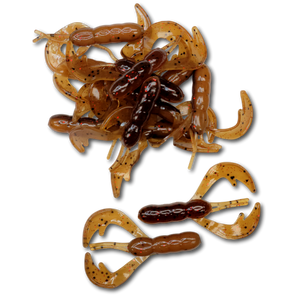
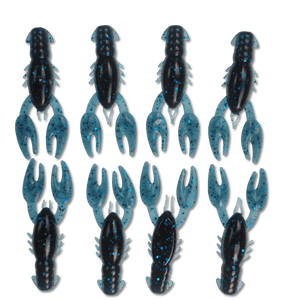
| Craw trailers | Jigs, flipping, football jigs, cover, rock, wood, crawfish imitation, and bottom contact. | Claws and body bulk help a jig look like a crawfish, bluegill, or bottom meal while changing fall rate and posture. | Wide claws can add too much action or slow the fall more than you want. |
| Chunk trailers | Compact jigs, pressured fish, slower fall, subtle action, and traditional jig fishing. | A chunk keeps the profile short while adding body and a simple flap behind the skirt. | Too small of a chunk can disappear behind a larger skirt or bigger jig head. |
| Creature trailers | Flipping, pitching, grass, brush, bigger profile, and extra movement. | Appendages add water movement, profile, and visual presence when fish need a stronger target. | Extra arms and legs can catch cover, overpower small jigs, or look too busy in clear water. |
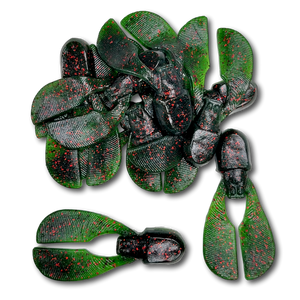
| Beaver-style trailers | Flipping, pitching, grass, matted cover, streamlined entry, and compact bulk. | A flatter, cleaner body slides into cover better than wide flapping trailers while still adding bulk. | Less tail action may be too subtle when fish are aggressive or the water is dirty. |
| Paddletail trailers | Swim jigs, bladed jigs, spinnerbaits, underspins, baitfish movement, and steady swimming. | The tail kick adds swimming action, lift, and baitfish movement behind moving baits. | Too much tail can make some baits roll, rise too high, or fight the blade vibration. |
| Grub trailers | Compact swim jigs, spinnerbaits, rivers, smallmouth, multi-species fishing, and simple tail kick. | A curly tail gives easy action in a compact package and works across several species and retrieves. | The tail can twist, foul, or feel too small behind a larger skirted bait. |
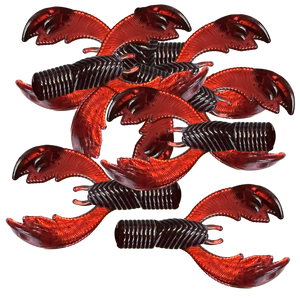
| Twin-tail trailers | Football jigs, dragging, swimming jigs, extra action, and bigger water displacement. | Two tails add lift, flap, and water movement without needing a huge body. | They can be too active in cold fronts, clear water, or heavily pressured bites. |
| Straight-tail / subtle trailers | Cold fronts, clear water, pressured fish, finesse jigs, and situations where less action is better. | A subtle trailer keeps the whole bait natural and easy to eat when fish are inspecting closely. | It may not move enough water for dirty water, low light, or aggressive fish. |
| Compact finesse trailers | Small jigs, pressured bass, smallmouth, clear water, docks, and tough bites. | A smaller profile gives neutral fish a less intimidating target and helps preserve hook gap on small jigs. | Compact trailers can be hard for fish to find in dirty water or heavy cover. |
| Bulky flipping trailers | Dirty water, heavy cover, big profile, larger jig, and fish needing a stronger target. | Bulk slows the fall, fills out the bait, and gives bass a larger meal to find in cover. | Too much plastic can crowd the hook gap and cause missed fish. |
| Baitfish-style trailers | Swim jigs, bladed jigs, spinnerbaits, shad, bluegill, perch, and moving bait presentations. | A baitfish shape makes a skirted bait look more like shad, perch, bluegill, or a fleeing minnow. | Too long of a baitfish trailer can cause short strikes behind the hook. |
| Floating or buoyant trailers | Slower fall, claws-up posture, shaky movement, and bottom-contact jigs where posture matters. | Buoyancy can lift claws or appendages and change how the bait sits, shakes, and falls. | Floating plastics may need separate storage and may not behave like salted traditional plastics. |
Matching Trailers to Jigs and Moving Baits
Trailer choice changes the whole bait, not just the back half. A bigger trailer adds bulk, slows the fall, and creates a larger target. A smaller trailer keeps the bait compact and may get more bites in clear water or pressured conditions.
Match the trailer to the bait’s job
A flipping jig, football jig, finesse jig, swim jig, bladed jig, spinnerbait, buzzbait, and underspin do not all need the same trailer. Start with the bait’s job before choosing shape.
Use active trailers for kick and thump
Paddletails, twin tails, craws, and high-action appendages can add kick, flap, thump, vibration, and lift when fish are feeding or tracking moving baits.
Use subtle trailers for neutral fish
Compact craws, chunks, straight tails, beaver-style profiles, and finesse trailers keep the bait natural when fish are pressured, cold-fronted, or inspecting closely.
Watch hook gap
Thick trailers can crowd the hook gap. If the plastic fills too much space between the point and the shank, the bait may look good but hook poorly.
Watch trailer length
Too much body behind the hook can cause short strikes. Trim or downsize when fish nip the back of the bait without getting the hook.
Rig moving-bait trailers straight
A crooked trailer can make a swim jig, bladed jig, spinnerbait, or underspin roll, track wrong, rise too high, or lose its natural swimming path.
Use bulk to control fall rate
Craws, chunks, beavers, and bulky flipping trailers can slow a jig’s fall and give fish more time to react around docks, brush, rock, wood, and grass.
Use shape to move through cover
Beaver-style and compact trailers often slide through grass and brush cleaner than wide flapping trailers, especially when pitching or flipping tight targets.
Match or contrast the skirt
A matching trailer looks natural. A contrasting trailer adds visibility. A small accent can imitate claws, bluegill tips, perch color, or baitfish flash.
Best Soft Plastic Trailer Presentations
A trailer should make the bait better at its job. Sometimes that means more action. Sometimes it means less. Sometimes the right move is trimming a bait shorter, cleaning up the rigging, or switching to a smaller profile before changing color.
Flipping Jig with Craw Trailer
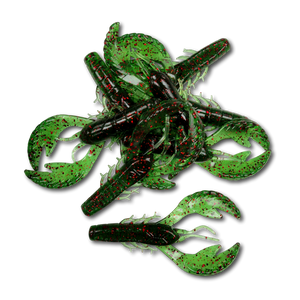
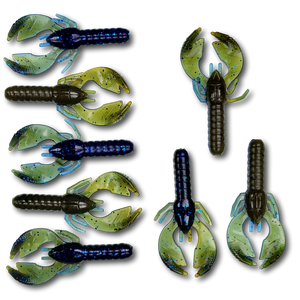
Use a craw trailer when you want claws, bulk, bottom contact, and a bait that looks right around wood, grass edges, brush, docks, and shallow cover.
Football Jig with Chunk Trailer
Use a chunk or craw trailer when dragging rock, points, gravel, and hard bottom where you want a compact meal with steady bottom presence.
Finesse Jig with Compact Craw
Use a smaller craw or finesse trailer for pressured bass, smallmouth, clear water, docks, rock, and bites where a full-size jig feels like too much.
Swim Jig with Paddletail Trailer
Use a paddletail when you want steady kick, lift, baitfish movement, and a clean swimming profile around grass, docks, shallow cover, and bluegill bites.
Swim Jig with Subtle Shad Trailer
Use a subtle shad-style trailer when fish are tracking the bait but not committing to a stronger tail kick or wide craw action.
Bladed Jig with Paddletail Trailer
Use a paddletail trailer when you want a fuller baitfish profile, more lift, and steady swimming action behind a bladed jig.
Bladed Jig with Craw Trailer
Use a craw trailer when you want a bluegill or craw-style profile, wider action, and a bait that looks comfortable around grass and shallow cover.
Spinnerbait with Swimbait Trailer
Use a swimbait trailer when you want body length, a stronger target, and baitfish shape behind the blades without adding too many extra parts.
Buzzbait with Toad or Paddletail Trailer
Use a toad, compact swimbait, or kicking trailer when you want more surface presence, profile, and an easier target behind the buzzbait.
Grass Flipping with Beaver-Style Trailer
Use a beaver-style trailer when you want compact bulk, cleaner entry, and fewer wide appendages catching grass or cover.
Dock Skipping with Compact Trailer
Use a compact, durable trailer when skipping jigs under docks so the bait stays straight, survives impact, and does not spin or tear too quickly.
Rock Dragging with Craw Trailer
Use a craw or chunk trailer when dragging jigs around rock, gravel, riprap, and bottom transitions where bass or smallmouth are feeding down.
Cold-Front Finesse Jig Trailer
Downsize the trailer, reduce action, use a natural color, and slow the bait down when fish get neutral after a front.
Dirty-Water Bulky Trailer
Use more bulk, darker colors, stronger contrast, or more action when fish need help finding the bait in dirty water, low light, or heavy cover.
Clear-Water Subtle Trailer
Use a smaller, cleaner, more natural trailer when fish are close enough to inspect the bait and too much action looks wrong.
Follow-Up Jig Trailer After a Missed Fish
When a fish misses a moving bait, pitch back with a compact jig and trailer that falls into the same area without looking loud or rushed.
Color, Water Clarity, and Forage
Color matters, but with trailers the first question is what the trailer needs to do to the main bait. After the action, size, fall rate, and hook fit are right, use color to match visibility, forage, skirt color, water clarity, and confidence.
Clear Water
Green pumpkin, watermelon, smoke, natural shad, brown, goby, ayu, translucent colors, muted bluegill, and subtle flake are good starting points.
Stained Water
Green pumpkin, black and blue, junebug, watermelon red, motor oil, dark smoke, green pumpkin chartreuse, orange hints, and mild contrast help fish track the bait.
Dirty Water / Low Light
Black and blue, junebug, black, dark purple, chartreuse accents, solid dark colors, and high-contrast laminate colors help the bait show up.
Craw / Bottom Forage
Green pumpkin, brown, black and blue, orange hints, root beer, dark olive, red flake, and muted bottom colors fit crawfish and bottom-contact jig fishing.
Bluegill / Perch / Shallow Cover
Green pumpkin, watermelon, bluegill blends, perch tones, gold flake, orange hints, olive, and natural greens fit swim jigs, bladed jigs, and shallow cover.
Shad / Baitfish Moving Baits
Pearl, white, smoke, silver flake, natural shad, ghost minnow, translucent colors, and baitfish blends work well behind swim jigs, bladed jigs, spinnerbaits, and underspins.
Matching Skirt vs Contrasting Trailer
Matching looks natural. Contrast helps visibility. A small accent can imitate claws, bluegill tips, perch markings, or baitfish flash without changing the whole bait.
Tough Bite
Downsize the trailer, reduce action, use a natural color, shorten the body, slow the fall, and clean up rigging before changing everything.
Common Soft Plastic Trailer Mistakes
Choosing a trailer before choosing the bait’s job
Using too much trailer
Using too little trailer
Crowding the hook gap
Making a moving bait roll or track wrong
Killing the fall rate of a jig
Adding too much action in cold fronts or clear water
Using too subtle of a trailer in dirty water
Forgetting that trailer length affects short strikes
Ignoring skirt size and head style
Rigging the trailer crooked
Matching color too perfectly when contrast would help
Using a trailer that tears too quickly for skipping or flipping
Trailer vs Craw vs Creature vs Grub vs Swimbait vs Chunk
Trailers are a role, not one bait shape. A craw can be a standalone Texas-rig bait or a jig trailer. A creature can be flipped alone or used as a bulkier trailer. A grub can be a simple jig-head bait or a compact moving-bait trailer. A swimbait can be a standalone paddletail or a swim jig, bladed jig, spinnerbait, or underspin trailer. A chunk is mostly a jig trailer. The key question is whether the plastic is being used to change the action, profile, fall rate, lift, and target size of another bait.
| Bait Type | Best For | Why You’d Choose It | Watch-Out |
|---|---|---|---|
| Trailer | Changing profile, action, fall rate, lift, bulk, color contrast, and target size behind a jig or moving bait. | It makes the main bait better at a specific job instead of acting as the whole presentation by itself. | Trailer choice needs to match the jig, skirt, hook, head style, and retrieve. |
| Craw | Jig trailers, Texas rigs, flipping, pitching, rock, wood, crawfish imitation, and bottom contact. | It gives claws, bulk, and a natural bottom-forage profile that works alone or behind a jig. | Big claws can add more action and lift than fish want. |
| Creature | Flipping, pitching, grass, brush, extra movement, bulk, and cover contact. | It gives more appendages and water movement for fish that need a stronger target. | It can be too busy as a trailer on compact jigs or in clear water. |
| Chunk | Jig trailers, compact action, slower fall, subtle movement, and traditional jig fishing. | It keeps the bait short and full without adding too much length behind the hook. | It may not add enough action for moving baits or dirty water. |
| Grub | Compact tail kick, swim jigs, spinnerbaits, rivers, multi-species fishing, and small moving baits. | It gives easy swimming action and works well when you want a simple moving-bait trailer. | It may be too small or too simple behind larger skirted baits. |
| Swimbait / Paddletail | Swim jigs, bladed jigs, spinnerbaits, underspins, baitfish imitation, steady swimming, and moving-bait trailers. | It adds tail kick, body shape, lift, and baitfish movement. | Too much tail action can fight the blade or make the bait roll. |
| Beaver-Style Bait | Flipping, pitching, grass, streamlined entry, matted cover, and compact bulk. | It slides through cover cleaner than wide flapping trailers while still giving a full body. | It may not move enough water when fish want a more active trailer. |
| Finesse Trailer | Small jigs, pressured fish, clear water, smallmouth, docks, rock, and tough bites. | It keeps the bait compact and natural when fish are inspecting closely. | It may not give enough visibility in dirty water or heavy cover. |
Care, Storage, and Recycling
Storage
Store flat in the original bag to preserve shape. Keep dark colors separate to avoid bleeding. Compatible with most gel scents.
Plastics Recycling
Don’t toss torn baits, recycle or dispose of properly. Learn more here: https://qwikfishing.com/recycling/
Related Guides and Categories
Use these when you want to go deeper on trailer size, fall rate, hook fit, color, jig matching, moving-bait trailers, and nearby soft plastic profiles that often double as trailer baits.
Are You a Soft Plastic Trailer Maker?
Are you a bait maker that would like to see your trailer baits, jig trailers, swim jig trailers, chatterbait trailers, bladed jig trailers, spinnerbait trailers, buzzbait trailers, flipping trailers, chunk trailers, craw trailers, creature trailers, swimbait trailers, compact trailers, finesse trailers, or soft plastic trailer baits featured here? Qwik Fishing is built around useful tackle from real small bait makers, not just the same wall of mass-market baits everywhere else.
Let’s Talk Baits