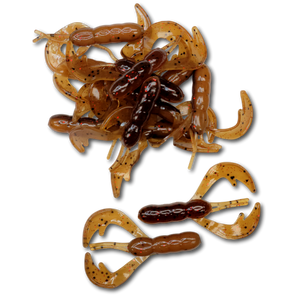


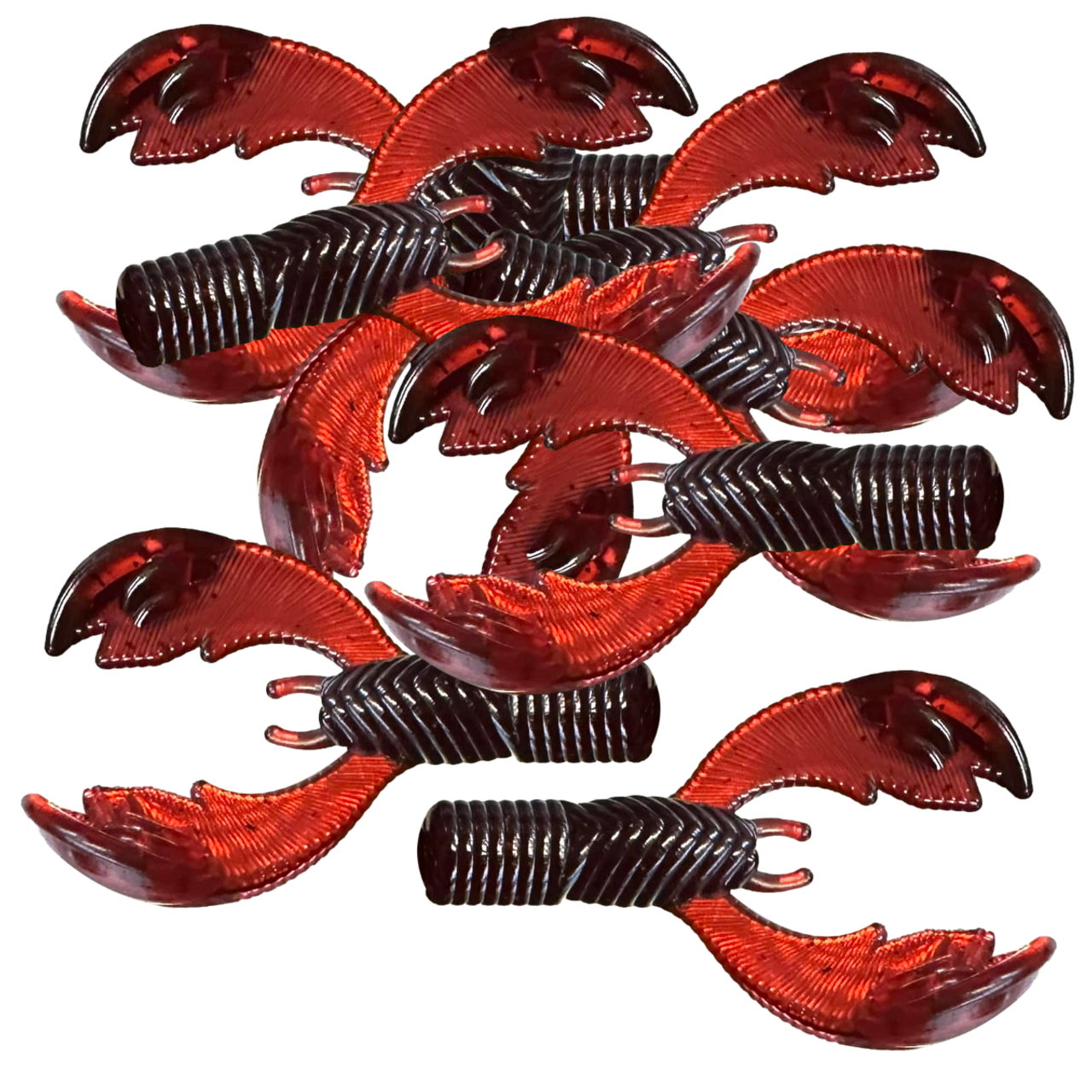
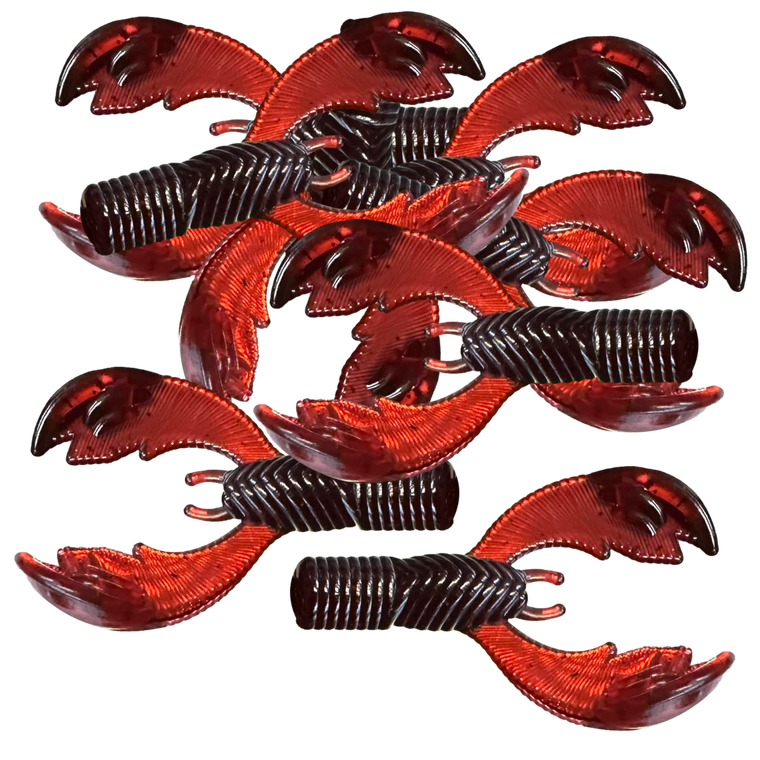
Barracuda Baits Tournament Series 2.75" inch Bat Craw Soft Plastic Bait

Compact wide-claw craw that adds thump without the bulk of a full-size creature bait.

Best For
Jig Trailer Texas Rig All-Around
Profile Compact
Action Moderate
$7.99
Current Stock:
$6.99 flat-rate shipping Orders over $50 Ship Free
Ships in 1–3 days from San Antonio, TX. Some orders may ship from Cedar Falls, IA
Adding to cart… The item has been added
Pack Quantity
8 Bat Craws Per Pack
(No reviews yet)
Why Choose This Craw?

Compact body, wide-claw thump.

Barracuda's 2.75" Bat Craw sits between a subtle finesse craw and a bulky creature bait. Its compact body keeps the package easy to pitch, skip and drag, while the broad bat-style claws add enough displacement to show up around cover, current and stain without turning the bait into an oversized trailer.

Choose the Bat Craw when:

  • You want more claw surface and thump than a finesse craw but less bulk than a full-size creature bait.
  • You are pitching an Arky-style jig around laydowns, docks, grass edges or tight cover in clear-to-stained water.
  • A football jig needs a compact trailer that pulses on the pull and stays visually present during long pauses.
  • You want one craw that can move from a skirted jig to a Texas rig, trimmed Ned head or finesse Carolina rig without changing profiles.
  • Smallmouth, largemouth, spotted bass or walleye are feeding on compact crawfish around rock and cover.

Choose a different craw when:

  • You need maximum claw flap and displacement for dirty water, heavy current or an intentionally oversized jig trailer.
  • Very clear water or a hard cold front calls for a much smaller, subtler finesse craw.
  • You want a flat traditional chunk rather than a full craw body.
  • Heavy flipping cover calls for a larger body and more plastic around the hook for a power presentation.
  • A baitfish profile or paddletail is more important than keeping a craw silhouette.
Primary Presentations

The two jobs this craw does best

The Bat Craw is strongest as an Arky / flipping-jig trailer and a football-jig trailer. Those two roles use exactly what makes this bait different: a compact body that stays manageable and wide claws that create a readable craw signal on the fall, drag and pause.

Primary

Arky / Flipping Jig

A compact cover trailer for accurate pitches and skips when you want more claw displacement without the bulk of a beaver-style bait.

Starting jig range 3/8–1/2 oz
Best around Laydowns, docks, grass edges, current and tight targets
Presentation Make short, accurate pitches and let the jig fall on semi-slack line. Shake it in place just enough to flare the skirt and move the wide claws, then let it settle before the next lift.
Why this craw The compact body skips and threads cover cleanly while the broad claw face adds more water movement and visibility than a restrained finesse trailer.

Primary

Football Jig

A compact wide-claw trailer for rock points, breaks and hard transitions where the pull-and-pause cadence is the presentation.

Starting jig range 3/8–1/2 oz
Best around Rock points, breaks, gravel, ledges and hard transitions
Presentation Drag in slow 6–12-inch pulls and pause whenever the jig reaches a rock top, drop lip or bottom change. Let the claws settle and hover before beginning the next pull.
Why this craw The bat-style claws thump while the jig moves, then hold a compact defensive craw shape on the pause — a strong trigger for bass and walleye feeding around hard bottom.
Secondary Uses

One compact craw, several useful rigging lanes

The Bat Craw is not limited to skirted jigs. Its compact body makes it unusually easy to move into weedless, finesse and moving presentations while preserving the same two-claw craw signal.

Swim jig — situational

On a 1/4- to 3/8-ounce swim jig, use the Bat Craw through grass lanes, shade lines and wind-pushed flats when a compact bluegill- and-craw silhouette makes sense. Retrieve steadily, tick cover and kill the bait for a one-count pause after contact.

Texas rig

Peg a 1/8- to 1/4-ounce weight and pitch the Bat Craw around sparse wood, vegetation edges and docks. The compact body slips through lanes cleanly while the broad claws give you more visibility than an ultra-finesse craw without the bulk of a creature bait.

Trimmed Ned / Midwest finesse

Trim roughly 1/4–1/2 inch from the nose and rig it on a 1/16- to 1/8-ounce Ned-style head when ultra-clear or heavily pressured fish are holding on rock and gravel. Drag, shake very lightly and use long pauses so the two claws can quiver without being overworked.

Finesse Carolina rig

A light 1/8- to 3/16-ounce Carolina setup with an 18–24 inch leader works well across gravel bars, points and scattered rock. Pull slowly, maintain bottom contact and feed just enough slack for the craw to settle naturally behind the weight.

Bladed jig — situational

The Bat Craw can bulk a 3/8- to 1/2-ounce bladed jig without turning into a full paddletail presentation. Slow-roll to medium speed and use small handle pops after contact. If blade vibration feels muted, shorten the nose slightly until startup returns cleanly.

Color & Conditions

Let the claw shape create movement; use color for definition

The Bat Craw already carries a distinct wide-claw outline, so color should primarily help the bait match bottom, forage and available light. Start natural in clear water and increase contrast as stain, cloud cover or depth reduces visibility.

Clear Water / Bright Sun

  • Green-pumpkin variants, brown/purple and subtle-flake craw colors are the safest starting point around rock, docks and sparse cover.
  • Keep the trailer natural and let the jig skirt provide small accents rather than overpowering the compact craw shape.
  • For pressured fish, slow the presentation and lengthen pauses before assuming a stronger color is needed.

Stained Water / Mixed Cover

  • Black-and-blue, green pumpkin with dark flake and darker craw blends make the wide claws easier to track around wood, grass and docks.
  • Junebug-style directions can be effective in lower light when you want a compact bait with a stronger silhouette.
  • Wind or cloud cover can justify moving darker even when the water itself is only moderately stained.

Muddy Water / Low Light

  • Solid darks create the strongest silhouette when visibility is poor.
  • If you need more contrast, add chartreuse or another bright accent primarily in the jig skirt rather than turning the whole trailer loud.
  • Before cycling colors repeatedly, confirm the bait is reaching the correct depth and moving slowly enough for fish to track it.
Fine-Tune the Bat Craw

Small trims can change fall rate and finesse without changing the bait

On-the-water tuning

  • Remove one rib from the nose if the bait helicopters on the fall or you want a shorter, faster-dropping trailer around cover.
  • Leave the body full-length when you want more stall and claw visibility on a football jig or lighter head.
  • Slightly taper the claw tips in cold water when a tighter quiver is producing better bites than a stronger flap.
  • For Ned-style use, trim the head flat so the body seats squarely on the jig and the claws remain balanced on the pause.
  • A tiny dot of glue at the keeper can extend bait life during repeated pitching; gel scent can be added without changing the rigging profile.

Bait build

  • Length: 2.75" / approximately 69.9 mm
  • Profile: compact craw with bat-style wide claws
  • Action: moderate-to-strong claw flap
  • Material: plastisol soft plastic
  • Pack: 8 Bat Craws
  • Options: color plus available PulseCore, scent and salt choices
  • Best pairings: Arky / flipping, football and situational swim jigs; Texas, Ned and finesse Carolina rigs
  • Availability: typically ships in 1–3 days from San Antonio, Texas; some orders may ship from Cedar Falls, Iowa

Worn soft plastics should be collected rather than left in the water or on the bank. See Qwik Fishing's soft-plastics recycling information.

Product Q&A

Questions about this exact craw

Why choose the Bat Craw over a chunk or bulky creature bait?

The Bat Craw keeps a compact full-craw body while using broad claws to add thump and visibility. That gives you more craw shape than a flat chunk and less body mass than a bulky creature bait — useful when fish want displacement but the finished package still needs to stay controlled.

What jig weights are the best starting point?

Start with 3/8 to 1/2 ounce for Arky/flipping and football jigs. For swim jigs, 1/4 to 3/8 ounce is the cleaner starting range. Depth, current, wind and cover should decide when to move heavier or lighter.

Can I Texas-rig the Bat Craw?

Yes. A pegged 1/8- to 1/4-ounce Texas rig is a strong secondary use around sparse wood, vegetation edges and docks. It is especially useful when a full-size creature bait feels too bulky but you still want a weedless craw presentation.

Can I trim it for a Ned rig?

Yes. Trim roughly 1/4–1/2 inch from the nose, seat it squarely on a 1/16- to 1/8-ounce Ned-style head and work it with slow drags, tiny shakes and long pauses. The goal is to preserve the two-claw quiver, not turn it into an aggressive hopping bait.

What are PulseCore, scent and salt options for?

They are optional ways to tune the same Bat Craw profile. Use them deliberately rather than automatically: salt can change feel and fall, scent can add another cue, and PulseCore is an available Barracuda upgrade. The core decision should still start with profile, presentation, color and rigging.

Is it a good bladed-jig trailer?

It can be, but treat that as situational. The broad claws add body and craw-style movement, but if blade vibration or startup feels muted, shorten the nose slightly. When a clean baitfish signal matters more than craw profile, a lower-drag trailer may be the better choice.

Not Quite What You Need?

Change the action or profile on purpose

The Bat Craw sits in a compact / moderate-action craw lane. If it is not the right answer, decide whether you need more claw movement, a more general jig trailer, a smaller finesse craw or a larger creature-style body rather than simply swapping brands at the same profile.