

Soft Plastic Flukes
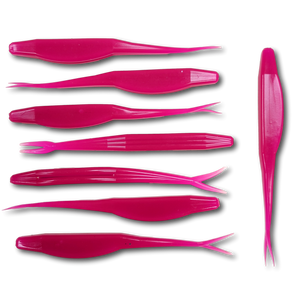
Flukes are not just weightless twitch baits. They are baitfish-profile plastics you can twitch, glide, swim, count down, fish over grass, rig on weighted hooks, throw on jig heads, or use as moving-bait trailers.
The Quick Answer
Start with how you want the fluke to behave. Does it need to dart, glide, sink slowly, swim steadily, stay high over grass, or add baitfish action behind a moving bait? Once the job is clear, profile, rigging style, fall rate, hook fit, cadence, and color get much easier.
Start with the Fluke’s Job
A fluke can be a darting bait, a slow-gliding bait, a baitfish imitator, a subsurface search bait, or a moving-bait trailer. The rig decides how it behaves. Before you worry too much about color, decide whether you need the bait to stay high, sink slowly, cut side-to-side, swim clean, or follow another lure as a trailer.
Weightless Flukes
Use weightless flukes when fish are feeding shallow, chasing bait around grass, cruising dock shade, or pushing baitfish near the surface. The pause is usually where the bait looks most vulnerable.
Weighted Hook Flukes
Weighted hooks add casting distance, depth, wind control, and a cleaner countdown. They are a strong middle ground when a weightless fluke is too loose but a jig head is too direct.
Jig Head / Minnow Presentations
Use jig heads, exposed hooks, and small minnow-style flukes when you want a more direct baitfish presentation around open water, suspended fish, light cover, or crossover bass and crappie situations.
Fluke Trailers
Use fluke-style trailers when you want baitfish shape without the hard thump of a paddletail. They can keep a bladed jig, swim jig, spinnerbait, or underspin looking more like a fleeing minnow.
Soft Plastic Fluke Size and Profile Guide
Length matters, but body shape matters just as much. A thin fork-tail minnow, a thick-bodied soft jerkbait, and a shad-style fluke can all be the same length and fish completely differently. Match profile to forage, hook gap, cover, fall rate, and how much control you need.
| Profile | Best Use | Why It Works | Watch-Out |
|---|---|---|---|
| Small / finesse flukes | Pressured fish, clear water, smallmouth, panfish and crappie crossover, small forage, and tough bites. | Small baitfish profiles look easy to eat and can get bites when a standard fluke feels too big or too aggressive. | They can be hard to cast and control without the right hook, light jig head, or weighted presentation. |
| Standard 4 to 5 inch flukes | Bass, schooling fish, shallow grass, docks, laydowns, flats, and everyday soft jerkbait fishing. | This is the classic starting point because it matches a wide range of minnows, shad, young-of-year baitfish, and bluegill fry. | Too thick of a body or too small of a hook gap can hurt hookups and make the bait roll or rig crooked. |
| Larger baitfish flukes | Bigger baitfish, bigger bass, shallow cover, active fish, and times when fish are eating full-size forage. | A larger profile gives fish a bigger target and can draw better bites when the fish are willing to commit. | Can be too much on cold fronts, clear water pressure, or fish feeding on tiny bait. |
| Split-tail / fork-tail flukes | Subtle gliding, baitfish imitation, clear water, and trailer use when you want less tail kick. | The split tail gives a natural baitfish look without adding the constant thump of a paddletail. | Needs cadence and pause to shine. If fish want steady vibration, a paddletail may be better. |
| Minnow-style / shad-style flukes | Steady swimming, jig heads, underspins, exposed hooks, hover-style looks, and open-water baitfish presentations. | These profiles track cleaner and often look more natural when you are swimming instead of snapping the bait. | They may not dart as hard side-to-side as a traditional soft jerkbait body. |
| Thicker-bodied flukes | Longer casts, bigger profile, shallow cover, weighted hooks, and situations where you want the bait to fall with presence. | More body bulk helps with casting, hook holding, silhouette, and drawing attention around cover. | Needs the right hook gap. If the hook is too small, the plastic can crowd the point and cost you fish. |
Weightless, Weighted, and Jig Head Rigging
Rigging changes the entire bait. Weightless flukes stay high and glide well. Weighted hooks add casting distance, depth, and control. Jig heads create a more direct exposed-hook baitfish presentation. The right answer depends on depth, wind, cover, hook fit, and how naturally you need the bait to fall.
Weightless keeps it high
A weightless fluke shines over grass, shallow flats, dock shade, laydowns, and schooling fish. It darts and glides well, but can be harder to control in wind, current, or deeper water.
Weighted hooks add control
A belly-weighted or screw-lock hook helps the bait cast farther, sink on a cleaner line, and reach fish that are holding below the surface without turning it into a jig-head presentation.
Jig heads fish more directly
A jig head gives the bait a clearer pull point, more feel, and better open-hook hookups. It is especially useful for minnow-style flukes, small baitfish profiles, and open-water swimming.
Too much weight can kill the glide
If the bait looks like it is dropping nose-first or falling too fast, lighten up. Flukes often get bit because they look wounded on the pause, not because they are racing downward.
Too little weight can lose control
If wind, current, depth, or boat movement keeps you from feeling the bait, add a little weight or move to a jig head. Control comes first because you cannot repeat what you cannot track.
Best Soft Plastic Fluke Presentations
The same fluke can act like a wounded shad, a fleeing minnow, a slow-gliding bluegill fry, or a clean trailer behind a moving bait. Pick the presentation first, then choose the bait and rig that let you repeat it.
Twitch-Twitch-Pause
The classic fluke retrieve. Snap it, let it glide, then pause long enough for the bait to look wounded. Most bites come when the bait stops or starts to fall.
Slow Glide Over Grass
Keep the bait high and let it slide over lanes, holes, and edges. A weightless or lightly weighted setup keeps the bait from digging into the grass too quickly.
Schooling Fish Cast-and-Kill
Cast past breaking fish, twitch into the school, then kill the bait. The falling or suspended look can separate your bait from the chaos.
Dock Edges and Shade Lines
Skip or cast a fluke along shade, posts, lifts, and corners. Let it glide into the dark water instead of pulling it away too quickly.
Weighted Hook Countdown
Count the bait down, then use short twitches and pauses to keep it in the strike zone. This helps when fish are suspended or holding slightly deeper.
Jig Head Swimming
Use a small baitfish or minnow-style fluke on an exposed jig head when you want a clean swimming line, better feel, and a more direct presentation.
Underspin / Small Baitfish Presentation
Pair a minnow-style fluke with an underspin when fish are feeding on small shad, minnows, or young-of-year baitfish and you want subtle flash plus baitfish shape.
Bladed Jig or Spinnerbait Trailer
Use a fluke trailer when you want the lure to stay baitfish-shaped without adding a big boot-tail kick. This can be a cleaner look around shad, minnows, and bluegill fry.
Deadstick / Dying Baitfish Pause
Let the bait sit longer than feels natural, especially in clear water or on a tough bite. A fluke that looks like an easy meal often gets eaten after you stop moving it.
Color, Water Clarity, and Forage
Color matters, but flukes usually work best when the profile and cadence already fit the situation. Start with forage and visibility. Then adjust size, fall rate, and pause length before you burn through every color in the box.
Clear Water
Pearl, smoke, translucent, natural shad, baitfish, bluegill, and subtle flake colors help the bait look real when fish can inspect it.
Stained Water
White, pearl, chartreuse accents, brighter shad colors, and darker backs help fish track the bait without turning it into something unnatural.
Dirty Water / Low Light
Solid white, darker silhouette, brighter tails, contrast, and vibration from the rig choice can matter more than subtle baitfish detail.
Schooling Fish
Shad, pearl, white, baitfish flash, and clean minnow colors are good starting points when fish are pushing bait to the surface.
Bluegill Fry / Shallow Grass
Green pumpkin, watermelon, bluegill tones, smoke, and subtle natural colors can fit when bass are eating young bluegill or small shallow-water forage.
Tough Bite
Go smaller, more natural, slower falling, and longer on the pause. When fish are looking but not eating, cadence can beat a color change.
Common Soft Plastic Fluke Mistakes
Using too heavy of a hook or weight
Rigging the bait crooked
Changing color before changing cadence
Fishing it too fast on a tough bite
Using too small of a hook gap for a thick body
Treating every fluke like a topwater bait
Ignoring the pause
Using a fluke when a paddletail would be better, or vice versa
Care, Storage, and Recycling
Storage
Store flat in the original bag to preserve shape. Keep dark colors separate to avoid bleeding. Compatible with most gel scents.
Plastics Recycling
Don’t toss torn baits, recycle or dispose of properly. Learn more here: https://qwikfishing.com/recycling/
Related Guides
Use these when you want to go deeper on soft plastics, bait size, fall rate, color, jig heads, hook fit, rigging, and baitfish-style presentations.
Are You a Fluke or Baitfish-Profile Bait Maker?
Are you a bait maker that would like to see your soft plastic flukes, baitfish profiles, jerk shads, minnow baits, shad-style plastics, or small-baitfish soft plastics featured here? Qwik Fishing is built around useful tackle from real small bait makers, not just the same wall of mass-market baits everywhere else.
Let’s Talk Baits