

Jiggin' Johnsons' .75" Micro Hog Soft Plastic Bait
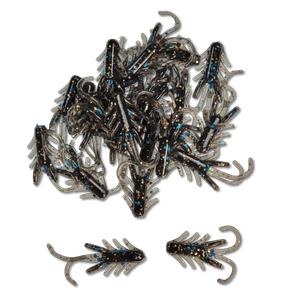
Tiny .75-inch creature with fine legs for ultra-light panfish, float and ice presentations when fish want a subtle target.
Compact 3" bass creature bait with slender side appendages and twin curled tails that move naturally on slow falls, short hops and pauses. Ideal for light Texas rigs and finesse jig trailers around cover.
The Jiggin' Johnsons' 3-inch Hog is a compact creature bait designed for bass anglers who want a living-looking presentation without relying on a fast retrieve. Its elongated central body carries several slender side appendages and ends in two longer curled tails. Those different parts give the Hog movement during a slow fall, gentle lift or small change in line tension. Unlike a conventional craw, it does not depend on two large pincers or a realistic crawfish silhouette. Instead, it gives fish several small movement cues around a compact body. That makes it especially useful for pitching around laydowns, skipping near docks, working scattered grass and dragging across rock or bottom transitions. Bass are the primary target, although walleye can also respond when the bait is worked slowly near bottom. Texas rig the Hog when you need a protected hook, evaluate it behind a skirted jig for added body and appendage movement, or fish it weightless when a slow fall is more important than covering water. Each package contains 6 baits.
The Hog's strength is the movement it can produce while staying close to the fish. Its primary presentations are a lightly weighted Texas rig and a suitable finesse or skirted-jig trailer. Both benefit from controlled falls, short movements and deliberate pauses.
Rig the Hog on an appropriately sized offset worm hook with a light bullet weight. Pitch it beside laydowns, dock posts, brush piles or open pockets in vegetation. Allow the bait to fall naturally on controlled slack while watching for line movement. After it settles, lift the rod tip a few inches, allow another fall and pause. Work the bait thoroughly around the target before moving to the next piece of cover.
Why It WorksThe Texas rig helps protect the hook as the Hog enters cover. Its narrow body and multiple appendages provide movement during the fall and on small lifts. The larger curled tails can continue responding as the lure slows, giving bass a chance to investigate a compact creature without chasing it through the water.
RiggingChoose an offset hook that fits the central body and provides enough gap for reliable hookups. Thread the Hog straight and lightly protect the hook point as the cover requires. Do not pull the hook through the slender side appendages or into the curled tails. Start with a light bullet weight when possible, increasing weight only when depth, wind or vegetation requires better penetration or control. Allow the bait to fall without forcing a fast retrieve.
Mount the Hog behind a suitably sized skirted bass jig, keeping its central body aligned with the hook shank. Cast or pitch the jig to a rocky edge, dock, brush pile or hard-bottom transition. Move it with a short drag or small hop, then allow the jig to settle completely. Pause long enough for the skirt and creature appendages to relax before making the next movement.
Why It WorksThe jig supplies a compact body and bottom-contact presentation, while the Hog adds extra appendage movement during each lift and fall. A slow cadence can make the entire rig appear alive without traveling far. This is useful for bass that are holding close to cover and inspecting the bait before biting.
RiggingChoose a jig whose hook, keeper and skirt fit the Hog's central body. Compare a compact finesse jig with a conventional Arky-style jig according to the cover and desired weight. Thread the bait straight, leave the hook gap exposed and keep the side arms and curled tails clear of the skirt and hook bend. Physical fit should be checked before using either jig. If the trailer looks crowded or the tails become trapped, change the jig or trailer rather than forcing the fit.
The Hog's compact creature shape can be adapted to several presentations. These applications keep the focus on controlled movement, fall rate and giving bass enough time to take the bait.
Rig the Hog on a suitable offset worm hook without an added sinker when fishing relatively shallow docks, scattered vegetation or open pockets in cover. Make a short cast and let the bait descend on controlled slack. Give it one small twitch, then allow it to settle again. The side arms and curled tails can respond to the slow fall without needing a hard pull. Hook weight affects the descent, so check how the actual rig falls before choosing this presentation around fish.
A compact Texas-rigged Hog can be evaluated for skipping into open spaces beneath docks or along shaded edges. Choose a hook and weight combination that lets the bait skip cleanly without tearing the central body. Once the lure reaches the target, allow it to fall before moving the rod. Most bites may come during the initial drop or the first small movement. Keep the hook point protected from overhead structure and avoid forcing the rig through tight openings.
Use the Hog behind a Carolina-rig weight when bass are spread across gravel flats, points or mixed bottom transitions. Choose a hook that fits the compact body and a leader suitable for the water depth and cover. Drag the weight slowly, then pause and let the Hog settle behind it. Its multiple appendages provide a different moving profile from a straight worm or traditional craw. This is most practical where the open hook and leader are unlikely to become buried in heavy wood or weeds.
Pitch or cast a lightly rigged Hog along rocky points, gravel-to-boulder transitions and scattered rock. Let the bait reach bottom and move it with small pulls rather than large jumps. Its side arms and curled tails create movement when it climbs or settles around rock. If smallmouth follow but refuse, extend the pause and reduce the amount of movement before changing colors or moving to a larger creature.
After a cold front, bass may hold close to wood or other isolated cover and be reluctant to chase. Pitch a lightly weighted Hog beside the target, allow it to fall and leave it in place briefly. Make one small lift or drag and pause again. The extra appendages give you movement without requiring much forward travel. Fish the outside edges and individual branches methodically rather than repeatedly pulling the creature through the entire laydown.
Use the Hog on a suitably sized skirted jig along the outer edge of vegetation or through open lanes. Keep the body aligned with the jig hook so the side appendages and curled tails are not trapped. Work it slowly with short pitches, controlled falls and small lifts. A compact creature trailer may make sense when fish are reacting to moving appendages but do not want a large, aggressively kicking craw.
The manufacturer identifies walleye as a secondary target when the Hog is worked slowly near bottom or around transitions. Rig it on a suitably sized hook or jig, cast across gravel, rock or sand-to-hard-bottom edges and move it with deliberate short drags. Let the lure settle between pulls. Avoid unnecessary rod movement that carries the bait away from fish holding near bottom. Adjust weight for current and depth while keeping the curled tails free.
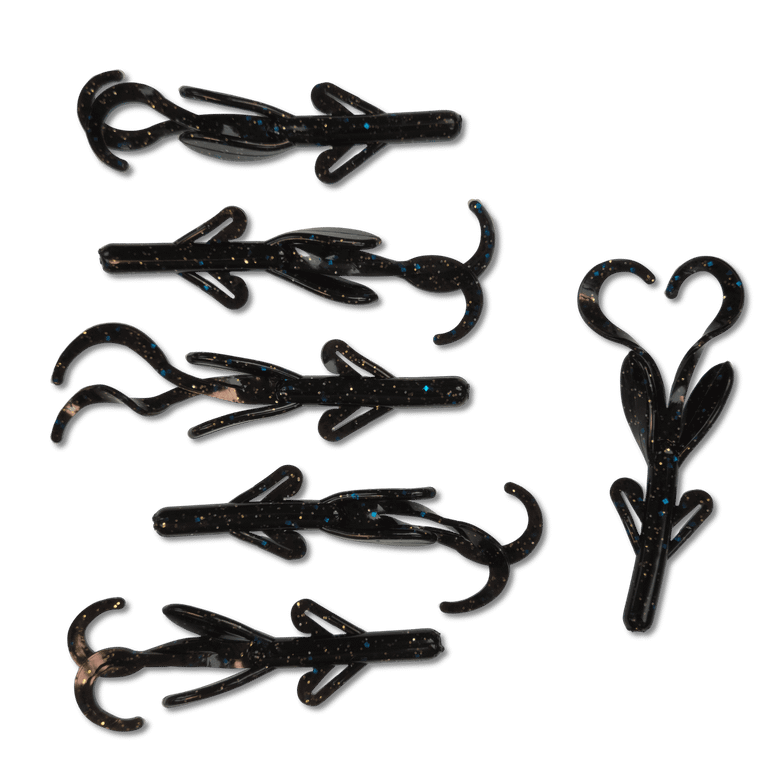
The supplied photograph shows Mimic, a very dark translucent smoke-black soft plastic with scattered metallic blue and gold flakes. The central body and appendages share the same color, with the thinner areas appearing slightly more translucent. The overall profile provides a dark silhouette, while the reflective flakes add small points of contrast when light reaches them. Mimic is worth trying around wood, shadow lines, vegetation and mixed bottom when a darker creature profile makes sense. Its underwater appearance depends on clarity, light and depth. Select additional colors from the actual options available above.
Mimic is worth evaluating when bass are feeding around shaded cover, dark bottom or rocky transitions and a defined creature silhouette is useful. In bright, clear water, a lighter or more natural color may be less conspicuous. Begin with a controlled fall and small movements rather than trying to make the dark bait stand out through aggressive action.
A dark creature profile can be a practical choice in stained water because it may provide useful contrast. The Hog's side arms and curled tails also supply movement close to the fish. Work slowly around specific targets such as dock posts, laydowns or weed openings so bass have time to locate the bait. Consider a more opaque or higher-contrast color from the actual selections if visibility is especially limited.
Mimic's dark body may provide a useful silhouette in lower light, while its metallic flakes will reflect only the light that reaches them. The blue and gold flecks should not be mistaken for glow-in-the-dark material. Focus first on reaching the proper depth and maintaining a controlled fall or bottom presentation. Choose a verified glow option only if that feature is specifically offered.
The Hog's shape gives it several different moving parts, but those appendages are useful only when the hook and keeper leave them unrestricted. Choose the rig according to the bait's central body, the cover and the fall rate you need.
For skirted-jig presentations, evaluate Doug's Arky Head Jig or Doug's Finesse Jig w/Eyes. Hook and keeper dimensions should be checked against the Hog before selecting either combination.
For fishing through cover, a properly sized offset worm hook and suitable bullet weight may be a better starting arrangement than a skirted jig. Choose the rig that fits the cover and allows the bait to fall naturally.
Select the actual color and any available customization using the purchasing controls above. The manufacturer offers body-color customization and scent on its direct store, but those options should not be assumed available through Qwik Fishing unless shown here. Adding scent may slightly affect the finished bait's color.
The Hog is a multi-appendage creature rather than a conventional crawfish replica. Its two curled tails and smaller side arms provide movement during slow falls and pauses, making it especially useful when bass are holding tightly to cover.
Explore more products from Jiggin' Johnsons' Tackle Box, browse Soft Plastic Creature Baits, or compare Jig Trailers for different bottom-contact and swimming-jig presentations.
Store the Hog flat in its original packaging, with the side appendages and curled tails arranged naturally. Avoid leaving them compressed or sharply bent for extended periods. Keep the baits away from excessive heat and direct sunlight, and separate contrasting colors when practical to reduce color transfer.
Have damaged or worn-out soft plastics? Visit our Soft Plastic Recycling Information.
Practical answers about the Hog's unusual appendages, Texas rigging, jig-trailer applications and slow-fall presentations for bass.
The Hog is a compact three-inch soft plastic creature bait with an elongated body, several side appendages and two larger curled tails. It is intended primarily for bass fishing around cover, with walleye as a secondary target when worked slowly near bottom. Its main advantage is appendage movement during the fall and on small changes in line tension.
Not specifically. The Hog is a creature-style soft plastic that suggests a small living target without copying the exact anatomy of a crawfish, worm or baitfish. Its side arms and twin curled tails provide movement cues. It can be fished in many of the same places as a craw, particularly around bottom cover, but its profile is noticeably different.
A traditional craw usually emphasizes a compact body and two distinct claws. The Hog has a relatively narrow central body, multiple side appendages and two longer curled tails. Its movement is spread across several parts rather than concentrated in two large pincers. That makes it worth trying when bass are seeing many conventional craw presentations.
The manufacturer identifies largemouth and smallmouth bass as the primary targets. Walleye may also take the Hog when it is worked slowly along bottom or around transitions. The three-inch size makes it a compact bass creature rather than a full-size flipping bait or a tiny panfish micro plastic.
Choose an offset worm hook that fits the Hog's central body. Insert the hook through the front, rotate the bait onto the offset and position the hook point back against or slightly inside the body so it is protected from cover. Keep the body straight, leave enough working hook gap and make sure the side arms and curled tails are free. Add a light bullet weight when needed for depth or cover, or fish it weightless in shallow water.
Select a hook according to the central body's length, thickness and the gap required for reliable hookups. A compact creature often needs less hook length than its overall measurement suggests because the appendages extend beyond the body. There is no physically confirmed universal hook size for the Hog. Check that the plastic can move aside during a strike and that the hook does not interfere with the curled tails.
Start light when conditions allow. The manufacturer emphasizes the Hog's natural fall and appendage movement, so an unnecessarily heavy weight may reduce the time it spends descending through the strike zone. Increase weight when depth, wind, current or heavier vegetation requires better control or penetration. Match the weight to the presentation rather than automatically using a heavy flipping setup.
Yes. A finesse-jig trailer is one of the manufacturer's preferred applications. Mount the central body straight onto a suitably sized jig hook, leaving the side appendages and curled tails clear. Drag, lightly hop or shake the jig near bottom and pause frequently. Check the actual hook, keeper and skirt fit because not every finesse jig will accommodate the full three-inch Hog.
Doug's Arky Head Jig is a practical option to evaluate for pitching around cover and dragging mixed bottom. It offers 3/8- and 1/2-ounce versions. Doug's Finesse Jig w/Eyes is another option when a smaller skirted-jig presentation is desired. Neither combination has been physically fit-tested with the Hog. Match hook size, skirt length, keeper and exposed gap to the central body before choosing a jig.
Yes. The manufacturer recommends weightless or minimally weighted glides as a finesse option. Texas rig the Hog on a suitable hook, cast it near shallow cover and let it fall on controlled slack. Make small twitches between pauses rather than continually retrieving. The hook itself affects the fall rate, so check the bait's balance and movement with the actual rig.
Start with a short drag or small hop followed by a complete pause. The Hog's side appendages and curled tails can move when the bait changes position or settles. Avoid repeatedly lifting it several feet away from cover unless fish show that they want a more aggressive presentation. Around docks and laydowns, work each likely holding spot carefully before retrieving the bait.
It is worth trying when fish have seen many conventional craws or larger creature baits. The compact body offers a manageable silhouette, while the extra appendages provide movement without requiring fast retrieves. During difficult conditions, use a lighter rig, smaller hops and longer pauses. If bass still inspect without taking the bait, try a smaller creature profile.
Yes, as an alternative presentation worth evaluating over open points, gravel flats and bottom transitions. Rig the Hog on a suitable hook behind the weight and drag slowly. Let the creature trail and settle during pauses. Check the hook and leader arrangement to ensure its appendages remain free. A Carolina rig is generally less convenient in dense wood or heavy vegetation where the weight and leader can snag.
The Hog is a three-inch creature with a relatively narrow body, multiple side arms and twin curled tails. The Bayou Bug is a smaller two-inch creature profile that is worth trying when fish want less overall size. Downsizing may help when bass are cautious or smaller fish are repeatedly striking the Hog's appendages without reaching the hook.
The Big Time Bug offers another, slightly larger creature presentation when bass are responding to more substantial profiles around cover. Compare the two when the compact Hog draws attention but does not produce bites. Evaluate the actual body shape and appendage action on the Big Time Bug, and match the rig and hook to that bait rather than automatically using the Hog's setup.
Mimic is the color identified in the supplied product photograph. It appears as very dark translucent smoke-black plastic with scattered metallic blue and gold flakes throughout the body and appendages. It provides a dark creature silhouette with small reflective details when light reaches the plastic. Actual underwater appearance depends on water clarity, depth and lighting.
Glow-in-the-dark properties have not been verified for Mimic. Its blue and gold flakes are visible reflective details, not proof of glow material. Choose an explicitly labeled glow color only when that option is offered and the feature matters to the presentation.
Each package contains 6 Jiggin' Johnsons' 3-inch Hog soft plastic baits. The manufacturer's direct store offers scent and additional body-color customization, but availability through Qwik Fishing depends on the purchasing options shown above. The maker notes that adding scent can slightly change the finished bait's color.
Keep the baits flat in their original packaging, away from direct sunlight and excessive heat. Avoid leaving the side arms and twin curled tails sharply folded or compressed for extended periods. Separate strongly contrasting colors when practical to reduce color transfer. Before rigging, check that the appendages are free of tangles and the central body is straight.
The Hog works well when its central body is properly rigged and its multiple appendages remain free. Compare these existing Qwik Fishing products for skirted-jig presentations, smaller finesse creatures and fuller creature alternatives. Physical compatibility must be checked before combining the Hog with a jig.
3/8- and 1/2-ounce skirted-jig options for pitching around cover and dragging mixed bottom. Check Hog trailer fit.
Finesse Jig Alternative Doug's Custom Lures Finesse Jig w/EyesA smaller skirted-jig presentation worth evaluating for pressured bass. Check whether the full Hog fits the hook and keeper.
Downsized Creature Jiggin' Johnsons' Bayou Bug 2.0" (8 Pack)A smaller creature profile for clear water, reluctant fish or situations where the three-inch Hog gets short-struck.
Fuller Creature Profile Jiggin' Johnsons' Big Time Bug 3.25" (8 Pack)A slightly larger creature alternative for bass responding to a more substantial presentation around cover.