


The Quick Answer
The best bass rig is the one that solves the job in front of you: weedless target fishing, bottom contact, finesse control, a natural fall, or holding a bait in place. Start with cover and fish mood, then tune bait shape, weight, hook fit, and fall rate before blaming color.
Bass Fishing Rig Picker
Choose the cover, fish mood, and presentation job. The result updates automatically with a good starting rig and a direct link to the full guide.
Full Rig Guides
Every card below links out to the full rig guide. Use the shorter summaries farther down this page when you only need a quick comparison.
Rig Chooser Chart
Use this as the starting map. The rig gets you close; the final decision comes from depth, cover, bait shape, fish mood, and how well you can feel what the bait is doing.
| Rig | Start With It When | Starting Point | Watch-Out |
|---|---|---|---|
| Texas Rig GuideJump to card | The everyday weedless workhorse for grass, wood, docks, banks, laydowns, and targets. | 1/8 to 1/4 oz around shallow cover; heavier for depth, wind, current, or thicker grass. | If the bait is not falling right, change weight before changing color. Peg only when the bait and weight need to stay together through cover. |
| Carolina Rig GuideJump to card | A separated weight-and-leader setup for covering points, flats, shell, gravel, and offshore structure while keeping bottom contact. | 3/8 to 3/4 oz weight with a 2 to 4 foot leader. Shorten the leader in wind or current. | Great for covering bottom, but not the cleanest choice for tiny targets, thick brush, or matted vegetation. |
| Drop Shot GuideJump to card | A finesse rig that holds the bait above the weight so it can stay in place at an exact height. | 12 to 18 inch tag and 1/8 to 1/4 oz weight. Lengthen the tag when fish are riding higher. | Do not overwork it. The value is keeping the bait in the strike zone without dragging it away too quickly. |
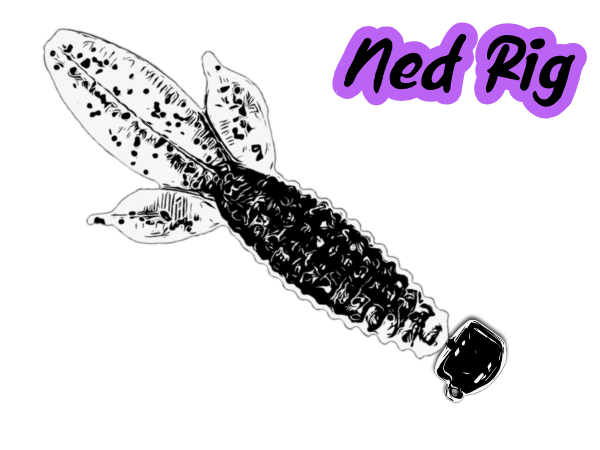
| Ned Rig GuideJump to card | A small plastic on a light mushroom-style head for pressured, inactive, or bottom-oriented bass. | 1/16 to 1/10 oz is plenty in many places. Go heavier only when depth, wind, or current demands it. | Ned rigs work because they are small, slow, and easy to eat. Do less before you do more. |
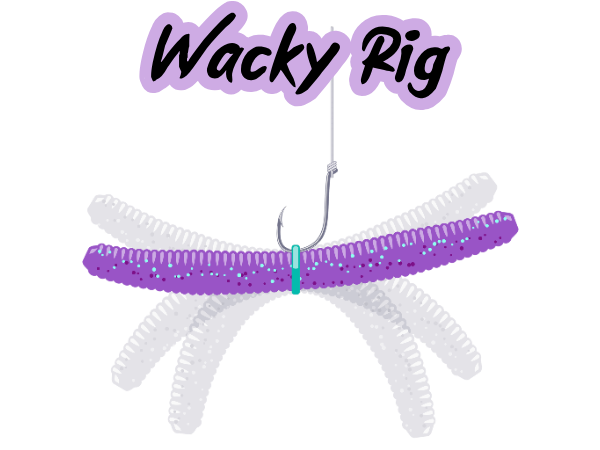
| Wacky Rig GuideJump to card | A stick bait or worm hooked through the middle so both ends flutter on the fall. | Weightless around shallow docks and shade; 1/32 to 3/32 oz weighted wacky when wind or depth demands it. | Wind, current, and slack-line control matter. Watch your line because many bites happen on the fall. |
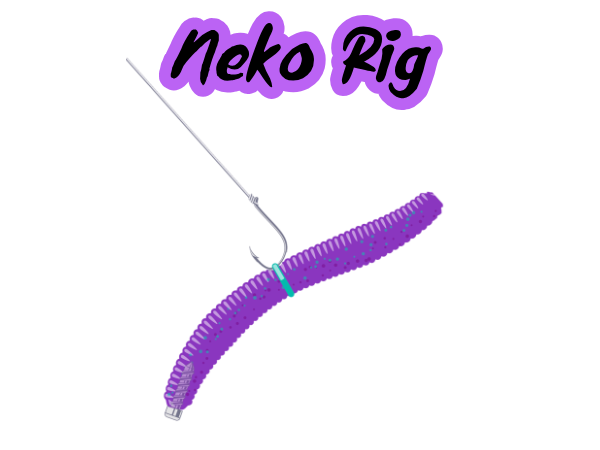
| Neko Rig GuideJump to card | A wacky-style worm with a nail weight in the nose for a head-down scoot and stand-up quiver. | 1/32 to 3/32 oz nail weight with a wacky or Neko hook and O-ring. | Nail weights can eject and worms can tear. O-rings help, and a weed guard helps around light cover. |
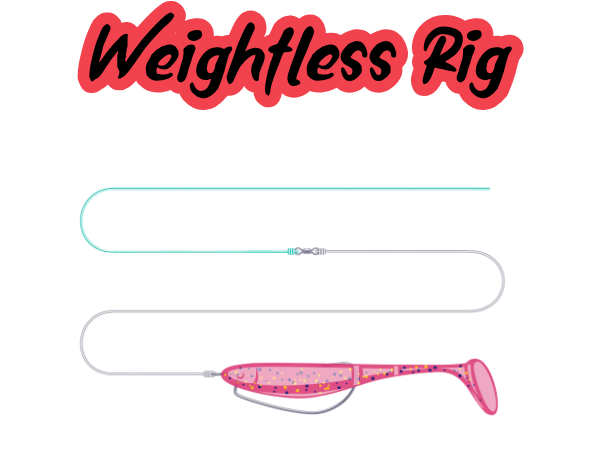
| Weightless Rig GuideJump to card | No added sinker, just the bait and hook for natural fall, glide, and hang time. | Match hook size to the bait so it falls level and glides naturally. Keep rigging perfectly straight. | Wind and current reduce control. Use it when the natural fall matters more than fast bottom contact. |
Quick Rig Summaries
Tap any rig card to open the full guide. These cards are not dead summaries; they are the bridge from this pillar page into each support page.
Each rig card below opens the full rig guide. Use the summary to decide quickly, then jump into the individual guide when you want the deeper setup.
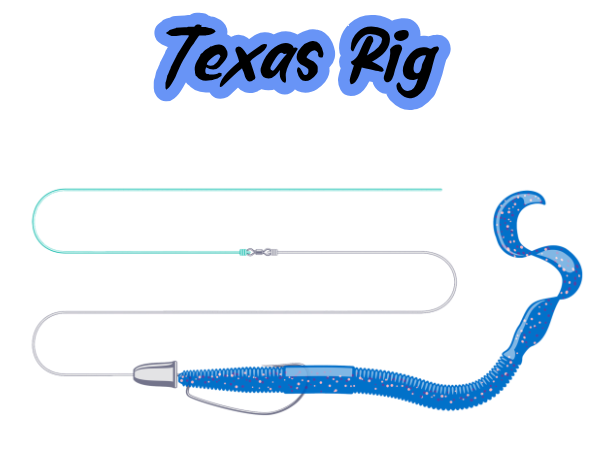
Texas Rig
The everyday weedless workhorse for grass, wood, docks, banks, laydowns, and targets.
Start Here
1/8 to 1/4 oz around shallow cover; heavier for depth, wind, current, or thicker grass.
Best Baits
Worms, craws, creatures, stick baits, lizards, and paddle tails.
Watch out: If the bait is not falling right, change weight before changing color. Peg only when the bait and weight need to stay together through cover.
Carolina Rig
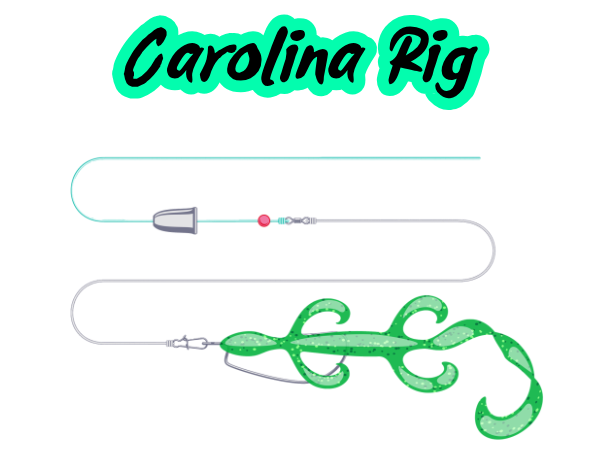
A separated weight-and-leader setup for covering points, flats, shell, gravel, and offshore structure while keeping bottom contact.
Start Here
3/8 to 3/4 oz weight with a 2 to 4 foot leader. Shorten the leader in wind or current.
Best Baits
Creatures, craws, lizards, finesse worms, stick baits, and baitfish-style plastics.
Watch out: Great for covering bottom, but not the cleanest choice for tiny targets, thick brush, or matted vegetation.
Drop Shot
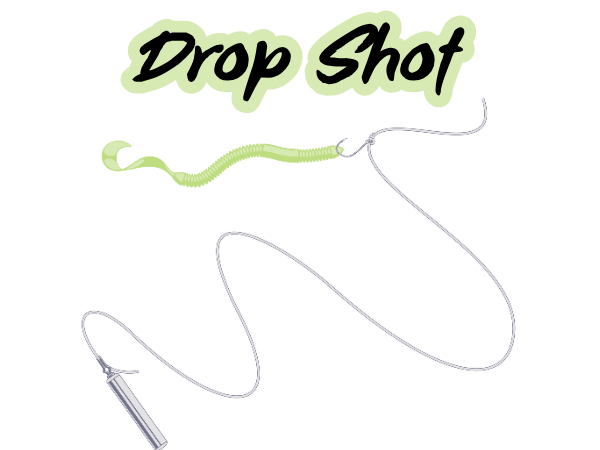
A finesse rig that holds the bait above the weight so it can stay in place at an exact height.
Start Here
12 to 18 inch tag and 1/8 to 1/4 oz weight. Lengthen the tag when fish are riding higher.
Best Baits
Finesse worms, small minnows, tiny craws, goby-style baits, and small bug profiles.
Watch out: Do not overwork it. The value is keeping the bait in the strike zone without dragging it away too quickly.
Ned Rig
A small plastic on a light mushroom-style head for pressured, inactive, or bottom-oriented bass.
Start Here
1/16 to 1/10 oz is plenty in many places. Go heavier only when depth, wind, or current demands it.
Best Baits
Small stick baits, finesse worms, compact craws, micro tubes, and small bottom-forage shapes.
Watch out: Ned rigs work because they are small, slow, and easy to eat. Do less before you do more.
Wacky Rig
A stick bait or worm hooked through the middle so both ends flutter on the fall.
Start Here
Weightless around shallow docks and shade; 1/32 to 3/32 oz weighted wacky when wind or depth demands it.
Best Baits
Stick baits, slim finesse worms, and compact minnow-style worms.
Watch out: Wind, current, and slack-line control matter. Watch your line because many bites happen on the fall.
Neko Rig
A wacky-style worm with a nail weight in the nose for a head-down scoot and stand-up quiver.
Start Here
1/32 to 3/32 oz nail weight with a wacky or Neko hook and O-ring.
Best Baits
Finesse worms, slim stick baits, straight-tail worms, and subtle creature-style finesse baits.
Watch out: Nail weights can eject and worms can tear. O-rings help, and a weed guard helps around light cover.
Weightless Rig
No added sinker, just the bait and hook for natural fall, glide, and hang time.
Start Here
Match hook size to the bait so it falls level and glides naturally. Keep rigging perfectly straight.
Best Baits
Stick baits, flukes, small straight-tail worms, and soft frogs or toads.
Watch out: Wind and current reduce control. Use it when the natural fall matters more than fast bottom contact.
How to Choose Faster
Need one default?
Start with a Texas rig. It teaches hook fit, weight control, fall rate, and weedless rigging better than almost anything.
Fish are inspecting?
Move toward drop shot, wacky, Neko, Ned, or weightless presentations before cycling through a dozen colors.
Need bottom coverage?
A Carolina rig covers bottom efficiently. A shaky head or Ned rig slows the same bottom idea down.
Need a natural fall?
Wacky and weightless rigs shine when the fall itself is the trigger.
Related Guides and Categories
Use the guide links to learn the setup, then use the category links to match bait, hooks, weights, and jig heads.
Shop the Supporting Categories
Simple Setup Tip
When you are stuck, do not start by changing everything. Change one lever: rig first, then bait profile, then weight, then color. A simple Texas rig, a finesse drop shot, and a slow-falling wacky or weightless rig will cover a surprising amount of bass fishing.