

Soft Plastic Grubs
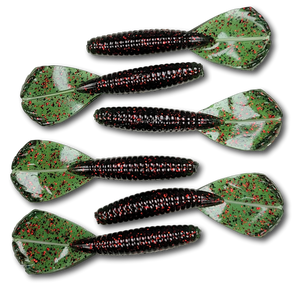
Soft plastic grubs are simple, versatile baits that can swim, fall, hop, drag, slow-roll, vertical jig, or add compact tail action behind another bait.
The Quick Answer
Start with what the grub needs to do. Does it need to swim steadily on a jig head, fall slowly with tail movement, tick bottom, catch multiple species, work current, or add action behind a jig, spinnerbait, swim jig, underspin, or beetle-spin style rig? Once that job is clear, tail style, body size, jig head weight, hook fit, fall rate, retrieve speed, and color get much easier.
Start with the Grub’s Job
A grub can be a simple jig-head swimmer, a finesse bait, a multi-species search bait, a trailer, a river bait, a vertical jigging bait, or a compact bottom-contact option. The species, depth, retrieve, and cover decide which grub makes sense.
Curl-Tail Grubs
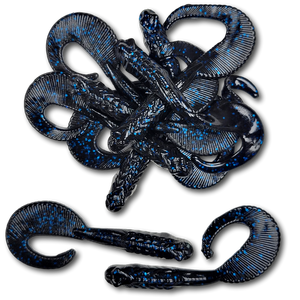
Use curl-tail grubs when you want a bait that starts working quickly on a jig head and keeps a steady tail pulse through rivers, weed edges, ponds, banks, rocks, and open-water casts.
Twin-Tail Grubs
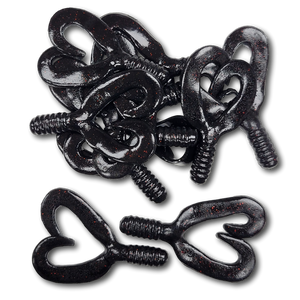
Use twin-tail grubs when you want more kick, more lift, and a slightly bulkier profile behind a jig, spinnerbait, swim jig, beetle-spin style rig, or compact moving bait.
Finesse / Small Grubs
Use smaller grubs when fish are neutral, pressured, feeding on small forage, or when you need one simple bait for crappie, panfish, walleye, smallmouth, and tough bites.
Swimming / Jig Head Grubs
Use swimming grubs when you want compact baitfish action on a ball head, mushroom head, underspin, light jig head, or count-down retrieve without going to a full paddletail swimbait.
Soft Plastic Grub Size and Profile Guide
Grubs usually come down to tail style, body length, body thickness, jig head weight, hook size, fall rate, retrieve speed, and water depth. Color matters, but the first question is whether the grub needs to swim high, tick bottom, fall slowly, pulse on the drop, or stay compact behind another bait.
| Profile | Best Use | Why It Works | Watch-Out |
|---|---|---|---|
| Small / finesse grubs | Crappie, panfish, walleye, smallmouth, clear water, pressured fish, cold fronts, and tough bites. | A smaller grub gives fish an easy target without too much bulk, flash, or commitment. | They can be overpowered by heavy jig heads or hooks that are too large for the body. |
| Standard curl-tail grubs | Everyday jig head swimming, multi-species fishing, weed edges, rivers, ponds, banks, and simple search presentations. | The classic curl tail keeps working on a steady retrieve, slow roll, lift and fall, or simple cast-and-wind approach. | If the tail is fouled, rigged crooked, or fished too fast in cold water, the bait loses a lot of what makes it good. |
| Larger swimming grubs | Bass, walleye, stained water, deeper water, stronger profiles, and bigger forage. | A larger body shows fish more profile while still staying simpler and more compact than many swimbaits. | Too much size can hurt bites when fish are pressured or feeding on smaller minnows, shad, or panfish. |
| Twin-tail grubs | Jig trailers, spinnerbait trailers, swim jig trailers, compact flipping and pitching, and bulkier bottom-contact plastics. | Two tails add kick, lift, and movement without needing a long bait body. | A twin-tail grub can overpower a small jig, short hook, or compact moving bait if the trailer is too long or wide. |
| Thin-body grubs | Lighter jig heads, slower fall, subtle profiles, clear water, finesse use, and pressured fish. | A thinner body moves easily, falls more naturally on light heads, and gives fish a smaller, softer meal. | Thin bodies may tear faster and may not hold larger hooks or heavier jig heads as cleanly. |
| Ribbed-body grubs | More vibration, scent or gel holding, stained water, bottom contact, and slower retrieves. | Ribs add texture, water movement, and surface area while helping gel scent stay on the bait. | Extra body bulk can change hook fit and make a small grub fall slower than expected. |
| Subtle-tail grubs | Cold water, pressured fish, clear water, slower presentations, vertical jigging, and fish that inspect baits closely. | A quieter tail still gives movement without looking too loud or unnatural. | They may not call fish from as far away in stained water, current, wind, or low light. |
| Trailer-style grubs | Jigs, spinnerbaits, swim jigs, beetle-spin style rigs, underspins, and compact moving baits. | A grub trailer adds tail action and compact movement without turning the bait into a full swimbait or bulky creature. | Match trailer length to hook length so the bait stays balanced and short-striking does not become a problem. |
Rigging Soft Plastic Grubs
Grubs can be rigged on ball jig heads, mushroom heads, darter heads, underspins, small jig heads, swim jig trailers, spinnerbait trailers, beetle-spin style rigs, or light wire hooks depending on the presentation. Jig head weight controls depth, fall rate, retrieve speed, and how much contact you feel.
Match hook size to the body
The hook should fit the grub length and thickness without crowding the body or exiting so far back that it kills the tail action.
Rig the body straight
A grub needs to track cleanly. If it is crooked on the jig head, the bait can roll, twist line, and stop the tail from working correctly.
Let weight do the depth work
Use jig head weight to control running depth, fall rate, bottom contact, and current control before blaming color or bait style.
Too much weight can kill subtle action
A heavy head can make the bait fall too fast, pin it to bottom, or turn a slow tail pulse into a dead drop.
Too little weight can lose control
A head that is too light can keep the bait too high, make bottom hard to feel, or let current push the grub out of the strike zone.
Tail orientation matters
Some grubs fish better with the tail consistently pointed up, down, or away from the hook bend. Rig the same way each time so the kick stays clean.
Best Soft Plastic Grub Presentations
Grubs are at their best when you keep the presentation simple and let the tail, fall rate, and jig head do the work. They can cover water, pick apart current, catch fish vertically, or work as compact trailers behind other baits.
Steady Swim on a Ball Jig Head
Cast, count it down, and reel steadily so the tail keeps pulsing. This is the classic grub presentation for bass, walleye, crappie, and multi-species fishing.
Slow Roll Near Bottom
Use enough weight to keep contact close, then retrieve slowly so the grub swims just above rock, sand, weed edges, or the bottom break.
Hop and Fall Along Rocks
Let the grub lift and drop along rock, riprap, and points. Many bites come as the bait falls and the tail pulses on the drop.
Drag Through Current Seams
Cast upstream or across current and let the grub sweep naturally while you keep enough feel to avoid losing the strike zone.
Swim Over Weed Tops
Choose a head light enough to keep the grub above the weeds and a retrieve slow enough that the tail still works.
Vertical Jig for Walleye or Crappie
Use smaller grubs on light jig heads when fish are under the boat, around brush, over deeper edges, or holding in current.
Cast and Count Down
Count the grub down to the depth fish are using, then reel steadily. This helps in open water, over flats, and along weed edges.
Beetle-Spin Style Retrieve
A small grub behind a beetle-spin style arm is a simple panfish, crappie, bass, and pond fishing setup that still catches plenty of fish.
Underspin Grub Swimmer
Pair a compact grub with an underspin when you want flash, tail action, and a smaller profile than a full swimbait.
Twin-Tail Jig Trailer
Use a twin-tail grub behind a compact jig when you want extra kick without a long craw or creature profile.
Spinnerbait Grub Trailer
Add a grub trailer when you want a little more body and tail movement behind blades without overpowering the bait.
Compact Swim Jig Trailer
A grub can make a swim jig smaller, tighter, and less bulky than a paddletail trailer when fish want a more compact meal.
Dock or Brush Finesse Grub
Use a smaller grub on a light head around docks, brush, shade, and pressured fish when a worm or bigger swimbait feels like too much.
Bank Fishing Search Bait
A grub on a simple jig head is one of the easiest ways to cover pond banks, riprap, culverts, current edges, and shoreline transitions.
Cold-Front Downsized Grub
Downsize the grub, lighten the head, and slow the retrieve when fish stop chasing but will still eat a compact bait with soft tail movement.
Color, Water Clarity, and Forage
Color matters, but grubs are usually won or lost first on depth, fall rate, retrieve speed, and tail action. A properly weighted grub in the right part of the water column will beat a perfect color that is running too high, too low, too fast, or crooked.
Clear Water
Smoke, pearl, watermelon, green pumpkin, natural baitfish, translucent colors, and subtle flake are good starting points when fish can inspect the bait.
Stained Water
Chartreuse, white, green pumpkin, smoke and chartreuse, motor oil, darker backs, and brighter tails help the grub show up without getting too bulky.
Dirty Water / Low Light
Black, black and chartreuse, white, chartreuse, solid dark, and high-contrast colors help fish find the bait when silhouette matters more than detail.
Minnow / Shad Forage
Pearl, white, smoke, silver flake, translucent shad, and natural baitfish colors are strong when the grub is swimming like a small minnow or shad.
Bluegill / Panfish Forage
Green pumpkin, watermelon, brown and green blends, bluegill colors, orange accents, and chartreuse accents can help around shallow panfish forage.
Craw / Bottom Contact
Green pumpkin, brown, orange, black and blue, motor oil, and root beer are good choices when the grub is hopping, dragging, or ticking bottom.
Tough Bite
Go smaller, more natural, lighter, slower, and cleaner rigged before changing colors over and over.
Common Soft Plastic Grub Mistakes
Using too heavy of a jig head
Rigging the grub crooked
Choosing color before fixing depth or retrieve speed
Using too large of a grub for pressured fish
Fishing a curl-tail grub too fast in cold water
Letting the tail foul or wrap around the hook
Using the wrong hook size for the grub body
Ignoring current speed
Treating every grub like a swimbait
Forgetting how good simple grubs are for multi-species fishing
Grub vs Swimbait vs Fluke vs Tube vs Worm
Grubs shine when you want compact action, easy jig-head rigging, multi-species appeal, a smaller baitfish or panfish profile, and a simple bait that can swim, fall, hop, or drag. Paddletail swimbaits usually give a stronger baitfish body and steady tail kick. Flukes dart and glide more like fleeing baitfish. Tubes spiral and drag well around rock and bottom contact. Worms are better when you want a longer, slower, more subtle profile. Grubs live in the overlap between finesse swimmer, jig-head bait, trailer, river bait, and multi-species confidence bait.
| Bait Type | Best For | Why You’d Choose It | Watch-Out |
|---|---|---|---|
| Grub | Simple jig head swimming, multi-species fishing, rivers, weed edges, walleye, crappie, smallmouth, trailers, and compact action. | It gives you tail movement, easy rigging, and a smaller profile that works across a lot of species and water types. | Depth, jig head weight, and rigging straight matter more than many anglers expect. |
| Paddletail Swimbait | Steady swimming, baitfish imitation, clearer water search, and a stronger baitfish body. | It has more body roll, a fuller baitfish profile, and a stronger tail kick when fish want a swimming meal. | It can be more than you need when fish want a smaller, softer, simpler profile. |
| Fluke | Twitching, darting, baitfish glide, schooling fish, and weightless jerkbait-style presentations. | It shines when fish are chasing baitfish and reacting to side-to-side movement. | It does not give the same constant tail pulse as a grub on a steady retrieve. |
| Tube | Spiraling fall, smallmouth, goby or crawfish imitation, dragging, snapping, and compact bottom contact. | It has a unique fall and bottom-contact look around rock, current, and deeper structure. | It usually takes more rigging thought than a simple grub on a jig head. |
| Worm | Slower presentations, finesse, Texas rigs, wacky rigs, bottom contact, and longer subtle profiles. | It is better when you want length, shimmy, and slower fish-it-in-place presentations. | It does not cover water or pulse on a straight retrieve like a grub. |
| Craw | Bottom contact, jig trailers, rock, wood, flipping, and crawfish imitation. | It gives fish a claw-and-flare profile that fits bottom-oriented feeding and jig work. | It is not as clean or simple as a grub when fish are eating minnows, shad, or small panfish. |
| Creature Bait | Flipping, pitching, Texas rigs, cover contact, and more appendage action. | It gives you bulk, movement, and cover presence when you want a bigger target. | It can be too much when a smaller finesse grub would get more bites. |
Care, Storage, and Recycling
Storage
Store flat in the original bag to preserve shape. Keep dark colors separate to avoid bleeding. Compatible with most gel scents.
Plastics Recycling
Don’t toss torn baits, recycle or dispose of properly. Learn more here: https://qwikfishing.com/recycling/
Related Guides and Categories
Use these when you want to go deeper on grub size, fall rate, jig head weight, hook fit, color, rigging, and nearby soft plastic profiles that often overlap with grub fishing.
Are You a Soft Plastic Grub Bait Maker?
Are you a bait maker that would like to see your curl-tail grubs, twin-tail grubs, finesse grubs, swimming grubs, ball-head grub bodies, jig trailers, panfish grubs, walleye grubs, or small soft plastic baits featured here? Qwik Fishing is built around useful tackle from real small bait makers, not just the same wall of mass-market baits everywhere else.
Let’s Talk Baits