


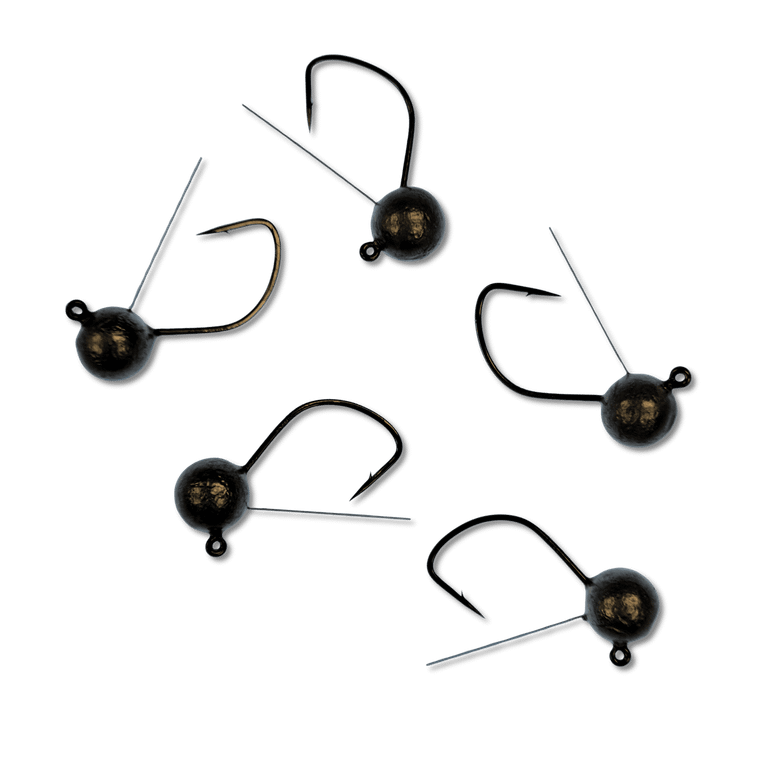
Jiggin' Johnsons' Weedless Weighted Wacky Jig #2 Hook

Weedless weighted wacky jig with a #2 hook for controlled stick-worm falls around docks, grass edges and pressured bass.

Best For
Wacky Rig Dock Skipping Finesse
Profile Compact
Action Subtle
$2.99
5 Jig Heads Per Pack
Current Stock:
$6.99 flat-rate shipping Orders over $50 Ship Free
All baits are made fresh to order and ship, with tracking, in 1-3 business days from Iowa.
Adding to cart… The item has been added
(No reviews yet)
Why Choose the Weedless Weighted Wacky Jig?

A wacky rig that reaches the fish without giving up the fall.

The Jiggin' Johnsons' Weedless Weighted Wacky Jig adds a compact weighted head and wire weed guard to a #2 wacky-style hook. It's designed to give bass anglers better control over how a stick worm or finesse worm sinks, especially around docks, grass edges, laydowns and brush. Instead of relying entirely on a worm's natural weight, select the jig head size that gets the bait to the right depth while still letting both ends of the worm move on the fall. The weed guard helps reduce snags in cover without turning the setup into a fully snag-proof rig. Each package contains five jig heads.

Choose the Weighted Wacky Jig when:

  • You want to fish a wacky-rigged worm around docks, grass edges or scattered cover.
  • Fish are holding deeper than a weightless worm can efficiently reach.
  • Wind or current makes it difficult to control a weightless wacky rig.
  • You need a weed guard to reduce snags around posts, branches and vegetation.
  • Pressured largemouth, smallmouth or spotted bass are responding to slow, subtle falls.

Choose something else when:

  • You want the slowest possible weightless worm fall in shallow, calm water.
  • You need a Texas-rigged worm for thick grass, heavy brush or dense wood.
  • Your stick worm is too thick for the #2 hook to leave enough working gap.
  • You are fishing small panfish plastics that require a much smaller hook.
  • You want a true nose-weighted Neko rig rather than a center-weighted wacky rig.
Primary Presentations

Two ways to make a weighted wacky rig count

Primary

Skip & Fall Around Docks

Rig a stick worm through its center, or use a suitable wacky band, and skip the bait into shaded openings around docks. Let the worm sink on semi-slack line beside posts, ladders or the edge of the shade before moving it.

Why it works

The weighted head improves casting and depth control while the worm's two free ends can pulse on the fall. The weed guard offers some protection when the hook passes near dock structure.

Rigging

Mount a suitable four- to five-inch stick worm through the center. Check that the #2 hook has enough exposed gap and the wire guard is correctly positioned. Choose a head size that allows the worm to reach fish without falling so fast that it loses its natural shimmy.

Also Strong

Count Down & Lift Around Deeper Fish

Cast beyond a break, deeper dock, outside grass edge or suspended bass. Count the bait down to the intended depth, make a short rod lift and allow the worm to settle on controlled semi-slack line.

Why it works

The head weight makes the presentation easier to repeat at depth. The worm can rise and fall through a narrow strike zone while maintaining its familiar wacky-rig silhouette.

Rigging

Choose a head size that maintains depth control without overpowering the worm. Keep the worm centered and inspect its fall. If the worm dives stiffly without pulsing, try a lighter head or a different soft-plastic body.

Secondary Uses

More places to fish a weedless weighted wacky rig

Along Grass Edges and Open Lanes

Cast parallel to an outside weed edge or toward an opening in the grass. Let the bait sink beside the vegetation, then use short lifts and controlled falls. The weed guard may help reduce contact with light vegetation, but the hook can still collect grass or snag.

Laydowns, Brush and Isolated Wood

Pitch the worm beside branches, laydown ends or open spaces near brush. Let it fall naturally and watch the line. The guard can help around light cover, but avoid dragging the exposed hook deeply into dense wood. Use a more protected Texas rig when necessary.

Offshore Rock and Points

Cast across a point or rock transition and let the bait reach the desired depth. Use short lifts and pauses rather than a constant dragging retrieve. This gives pressured smallmouth or spotted bass time to approach a slowly falling worm.

Follow-Up Bait for Pressured Bass

When bass follow a moving bait without striking, return with a wacky-rigged worm and let it fall through the same area. Use only enough head weight to maintain depth control, then lengthen the pause before lifting the worm again.

Color and Conditions

Let the worm provide the color and the jig control the fall

The supplied image shows this jig in a dark metallic or black finish. For a weighted wacky presentation, the stick worm provides most of the visible color and profile. Choose worm color based on water clarity, light and forage, then use the available Head Size options to adjust depth, wind resistance and fall rate.

Clear Water

Try a natural green pumpkin, watermelon, smoke or similarly subdued worm color if available. Keep the jig light enough for the worm to fall with a natural shimmy.

Stained Water

Consider darker or higher-contrast worms such as black, junebug or other available strong silhouettes. Keep the presentation close to cover and use pauses to give fish time to find it.

Deeper Water / Wind

Increase jig head weight when needed to reach fish and keep contact with the bait. Watch the worm's fall; extra weight should improve control without completely eliminating its natural movement.

Tuning and Specifications

Keep the worm centered, the hook gap clear and the guard working

On-the-water tuning

  • Choose a stick worm or finesse worm with suitable thickness for the #2 hook.
  • Rig through the worm's center to balance the two free ends.
  • Consider a properly fitted wacky O-ring or band to help reduce tearing.
  • Leave enough exposed hook gap for reliable hookups.
  • Check that the wire weed guard is positioned correctly and can move during a strike.
  • Select Head Size based on depth, wind, current and desired fall rate.
  • Allow the bait to fall on semi-slack line instead of pulling it immediately toward you.
  • If the worm no longer shimmies, try a lighter head or different worm.
  • Use short lifts and longer pauses for reluctant fish.
  • Inspect the hook point and weed guard after contact with docks, wood or vegetation.

Product specifications

  • Maker: Jiggin' Johnsons' Tackle Box
  • Product Type: Weedless Weighted Wacky Jig
  • Hook Size: #2
  • Package Quantity: 5 Jig Heads Per Pack
  • Head Profile: Compact round weighted head
  • Hook: Single wacky-style hook
  • Weed Protection: Straight wire weed guard
  • Line Tie: Raised eye on jig head
  • Finish Shown: Dark metallic / black
  • Product Option: Head Size
  • Intended Baits: Soft-plastic stick worms and finesse worms
  • Primary Uses: Weighted wacky rigging, dock fishing and grass-edge finesse
  • Target Species: Largemouth, smallmouth and spotted bass

Choose Head Size from the actual options above. The manufacturer offers selectable head sizes, but the exact available weights must be confirmed in the buying options.

Explore the Qwik Fishing Stick Bait Collection or read our Wacky Rig Guide.

Product Q&A

Questions about the Weedless Weighted Wacky Jig

How many Weighted Wacky Jigs come in a pack?

Each package contains five Jiggin' Johnsons' Weedless Weighted Wacky Jigs with #2 hooks. Soft-plastic worms are sold separately.

What hook size does this jig use?

This model uses a #2 hook. Choose stick worms or finesse worms that leave enough exposed hook gap after rigging. The worm's diameter and the position of any O-ring or band affect how well the hook can penetrate.

What is the difference between weighted and weightless wacky rigs?

A weightless wacky rig depends mainly on the worm and hook for its fall rate. A weighted wacky jig adds head weight for casting, depth and line control. That can be useful in wind or deeper water, but too much weight can reduce the worm's natural shimmy.

Is the jig completely weedless?

No. The wire guard is designed to reduce snagging around vegetation and cover, but it cannot prevent every snag. Heavy grass, dense brush and tangled wood may still require a Texas-rigged or otherwise more protected presentation.

What soft plastics work with a weighted wacky jig?

Stick worms and finesse worms are the main choices. Doug's Custom Lures 5-inch Stickbait, So Good Baits Quads, Bigg Mouth Fishing Bigg Stick and straight-tail finesse worms are relevant options. Match the worm diameter to the #2 hook and verify the weed guard does not interfere with the bait.

Should I use an O-ring or wacky band?

Either direct-hooking or using a suitable O-ring can work. An O-ring or band may improve worm durability by reducing repeated tearing through its middle. Check the hook orientation and make sure the ring, worm and weed guard leave enough hook clearance.

What head weight should I choose?

Start with the lightest available head that provides adequate control. Increase weight if the fish are deeper, wind makes casting difficult or you need to keep the bait near a break. The manufacturer's specific weight choices are selected through the Head Size option above.

Can I use this jig for skipping docks?

Yes. The maker specifically recommends it for fishing around docks and shaded structure. Skip or pitch a centered worm into open spaces, allow a controlled fall on semi-slack line and watch for bites before moving the bait again.

How should I fish it along grass edges?

Cast parallel to the grass or into open lanes rather than burying the hook in dense vegetation. Let the bait fall beside the edge, lift it gently when needed and allow it to settle again. The guard helps reduce snags but does not make the jig fully weedless.

Is this a Neko rig jig head?

No. This is a weighted wacky jig that places its weight at the hook near the middle of the worm. A traditional Neko rig places weight into one end of the worm and usually uses a separate hook farther up the body, creating a different bottom posture.

Can I use it for smallmouth bass?

Yes. Smallmouth are among the maker's intended target species. A weighted wacky worm can be useful along deeper rock transitions, docks, points and other areas where a natural fall and controlled depth are important.

What if fish keep following without biting?

Lengthen the fall and pause before changing bait colors. If the worm is dropping quickly without shimmying, try a lighter jig head or a different worm. Check that the plastic is centered and the hook and guard are not restricting its movement.

Companion Stick Worms & Finesse Baits

Start with the worm, then tune the fall

The #2 Weighted Wacky Jig is intended for appropriately sized stick worms and finesse worms. These Qwik Fishing choices offer different lengths, diameters and fall characteristics. Check the actual hook gap and worm thickness before selecting the combination.