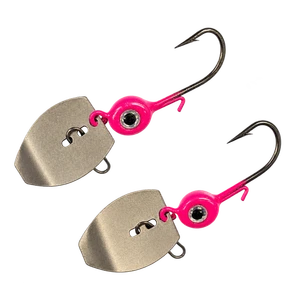


Jiggin' Johnsons' Skirted Tube Jig w/ #6 Hook

Compact #6 hook tube jig designed for 1.75" skirted soft plastics. Choose head size to control fall, glide and finesse presentations.

Best For
Tube Jig Micro Jig Float Rig Finesse
Profile Compact
Action Subtle
$1.99
5 Jig Heads Per Pack
Current Stock:
$6.99 flat-rate shipping Orders over $50 Ship Free
All baits are made fresh to order and ship, with tracking, in 1-3 business days from Iowa.
Adding to cart… The item has been added
(No reviews yet)
Why Choose the #6 Skirted Tube Jig?

The right head for a small tube makes all the difference.

The Jiggin' Johnsons' Skirted Tube Jig is a compact insert-style jig head built to pair with the maker's 1.75-inch Skirted Tube. Its elongated weighted body fits inside the soft plastic while the #6 hook provides a smaller presentation than a conventional bass-sized tube jig. Properly rigged, the combination lets the tube glide, settle and flare its skirt on the pause. It's a practical setup for crappie, bluegill, perch, trout and finesse bass around rock, docks, brush edges and current seams. Each package contains five jig heads.

Choose this Tube Jig when:

  • You are rigging the Jiggin' Johnsons 1.75-inch Skirted Tube.
  • You want an internal head that preserves the tube's natural fall and skirt flare.
  • Crappie, perch, bluegill or finesse bass are feeding on small bottom-oriented forage.
  • You want to fish short hops and pauses around rock, docks or current seams.
  • You need a compact #6 hook rather than a large bass-style tube hook.

Choose something else when:

  • You are rigging a larger 4-inch bass tube that needs a longer, heavier hook.
  • You want an exposed external jig head for a grub or paddle-tail plastic.
  • You need a weedless setup for thick vegetation or heavy brush.
  • Your soft plastic has no suitable internal cavity for the weighted head.
  • You need a specific head weight outside the available Head Size options.
Primary Presentations

Two ways to get the most from a compact tube

Primary

Internal Tube Jig - Hop & Glide

Rig the #6 jig inside the 1.75-inch Skirted Tube and work it along rock transitions, gravel, dock posts or open pockets. Use short rod-tip lifts, then let the tube fall on controlled semi-slack line before pausing.

Why it works

The internal weighted head keeps the presentation compact. As the tube falls and settles, its skirt can spread and move without requiring a fast retrieve. Those pauses give fish a chance to inspect and eat the bait.

Rigging

Insert the weighted head into the tube cavity, bring the line-tie eye out at the proper location, and make sure the tube hangs straight. Keep the hook gap clear and the skirt free of the hook point. Select the head size that gives the fall rate and depth control you need.
Also Strong

Float / Suspended Panfish

Fish the tube-jig combination beneath a small float around docks, shallow brush, weed pockets or current breaks. Set the depth so the tube stays at or just above the level of feeding fish.

Why it works

The float keeps the compact tube in a controlled strike zone. Gentle movement, small twitches and pauses allow the skirt to pulse without carrying the bait away from suspended crappie or bluegill.

Rigging

Choose a float that supports the selected head weight. Center the tube on the jig, confirm the hook exits correctly and adjust the leader length for the depth fish are using.

Secondary Uses

More ways to fish a compact tube jig

Slow Bottom Crawl Around Rock

Let the rigged tube reach bottom along gravel, riprap or scattered rock. Move it only a few inches at a time, then pause. A compact tube can suggest a small craw, insect or baitfish nosing along the bottom without requiring much movement.

Current Seams and Eddies

Cast slightly upstream of a current break and allow the tube to settle into slower water. Work it with small lifts or controlled drifts. Adjust jig weight to maintain contact without making the bait tumble unnaturally.

Vertical Jigging for Suspended Fish

Lower the rigged tube to the depth of suspended crappie, perch or trout. Use small line shakes and short lifts, then hold the bait in place. The tube skirt can move during pauses, even when the body travels very little.

Finesse Smallmouth Around Rock Transitions

Fish the 1.75-inch tube along smaller rock, gravel points and current seams when smallmouth are feeding on compact forage. Short hops, controlled falls and pauses provide a different look from a larger, aggressively worked bass tube.

Color and Conditions

Match the tube color and head size to the conditions

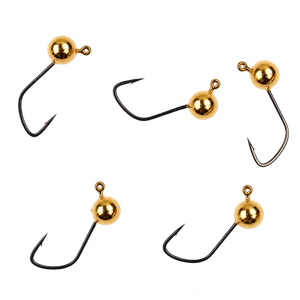
The supplied image shows a dark metallic or black-finished jig head. With an internal tube rig, the soft plastic provides most of the visible color and profile. Choose the Skirted Tube color from its own product options, then select the jig head size based on depth, wind, current and how slowly you want the tube to fall.

Clear Water

Start with a natural or translucent tube color. Use small movements and allow the skirt to settle between hops. A lighter head can help produce a slower fall when conditions permit.

Stained Water

Try a tube color with a stronger silhouette or contrast. Maintain enough head weight for control, especially around current seams and rock, then use short hops and pauses to keep the bait near fish.

Low Light / Deeper Water

Choose a tube color fish can locate and a head size that reaches the intended depth. If a slow presentation is needed, reduce movement rather than relying on color alone.

Tuning and Specifications

Keep the head centered and the skirt free to flare

On-the-water tuning

  • Use the 1.75-inch Skirted Tube as the maker's primary companion bait.
  • Insert the weighted head straight into the tube cavity.
  • Bring the line tie out cleanly so the tube hangs without twisting.
  • Keep the hook gap exposed and the soft-plastic skirt clear of the hook point.
  • Select Head Size based on depth, wind, current and desired fall rate.
  • Start with short hops and long pauses around bottom structure.
  • Allow controlled slack on the fall when you want the tube to glide.
  • If the bait rolls or dives nose-first unnaturally, check the internal head alignment.
  • Inspect the hook point after contact with rock or cover.

Product specifications

  • Maker: Jiggin' Johnsons' Tackle Box
  • Product Type: Internal skirted tube jig head
  • Hook Size: #6
  • Package Quantity: 5 Jig Heads Per Pack
  • Head Profile: Compact elongated weighted body
  • Hook: Exposed single hook
  • Line Tie: Raised eye
  • Finish Shown: Dark metallic / black
  • Product Option: Head Size
  • Designed For: Jiggin' Johnsons' 1.75" Skirted Tube
  • Primary Uses: Tube jigging, finesse bottom contact and float fishing

The manufacturer offers a Head Size selection. Choose the actual available option above; specific head weights should be taken from the live option values.

Explore more from Jiggin' Johnsons' Tackle Box or browse the Qwik Fishing Jig Heads Collection.

Product Q&A

Questions about the #6 Skirted Tube Jig

How many Skirted Tube Jig heads come in a pack?

Each package contains five Jiggin' Johnsons' Skirted Tube Jig heads with #6 hooks. Soft-plastic tubes are purchased separately.

What soft plastic is this jig designed for?

It is specifically designed to fit the Jiggin' Johnsons' 1.75-inch Skirted Tube soft plastic. That is the maker's intended pairing and the best place to start.

How do I rig an internal tube jig?

Insert the weighted body into the hollow portion of the tube and position the hook and line tie so the plastic sits straight. Bring the eye out cleanly, check that the hook gap is exposed and leave the skirt free to flare. Avoid tearing the body or forcing an oversized head into the cavity.

What hook size does this jig use?

This model has a #6 hook. The smaller hook is intended for compact tubes and finesse presentations rather than the larger tubes normally rigged on full-size bass hooks.

What head weight should I choose?

Choose from the available Head Size options on the product listing. Use a lighter head when a slower fall is needed and enough control is available. Increase weight when depth, wind or current makes it difficult to keep contact with the bait. Exact available weights must be confirmed in the buying options.

Can this jig be used for crappie and bluegill?

Yes. The compact #6 hook and 1.75-inch tube pairing can be useful for crappie, bluegill and perch. Fish the tube vertically, along outside cover edges or beneath a float with short movements and pauses.

Can I use it for smallmouth bass?

Yes. It provides a compact tube presentation for finesse smallmouth fishing around rock, gravel and current seams. Use small hops and controlled falls when fish are feeding on smaller forage or refusing larger tubes.

Will this jig work with a 4-inch tube?

It is not the recommended match. The #6 Skirted Tube Jig is sized for the maker's 1.75-inch tube. A larger 4-inch tube generally needs a suitably sized head and hook to maintain proper rigging and hookup clearance.

What is the advantage of an internal tube jig?

An internal head keeps most of the weighted body inside the soft plastic rather than placing a large external jig head in front. That helps preserve the tube's compact silhouette and supports a controlled glide, fall and skirt flare.

Can I fish this jig under a float?

Yes. Match the float to the head weight and suspend the tube near crappie, bluegill or trout holding around docks, shallow brush or weed edges. Use small twitches and longer pauses so the skirt can move without pulling the bait out of the strike zone.

Are these tungsten jig heads?

The manufacturer's accessible product specifications do not confirm tungsten construction. Do not assume a specific head material without verification from the maker.

Companion Tubes & Alternative Setups

Start with the tube this jig was made for

The 1.75-inch Skirted Tube is the intended companion to this #6 internal jig head. The other choices below are useful alternatives for different profiles or rigging styles; they should not be assumed to fit this same head without checking the combination.