

Soft Plastic Leeches
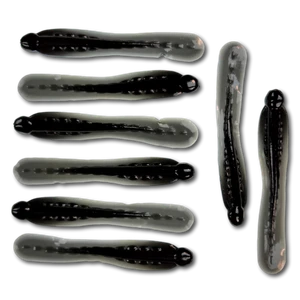
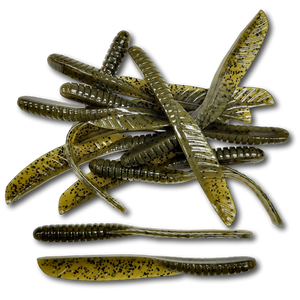
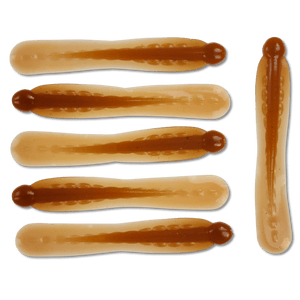
Soft plastic leeches are subtle, natural, elongated baits for fish that want something slower, thinner, softer, and quieter than a craw, creature bait, grub, paddletail, or bulky worm.
The Quick Answer
Start with what the leech needs to do. Does it need to drift naturally with current or wind, hover in place, fall slowly, drag near bottom, work on a drop shot, or give walleye, smallmouth, bass, crappie, or panfish a softer live-bait-style profile? Once that job is clear, body length, thickness, taper, softness, tail movement, rigging style, hook size, weight, fall rate, and color get much easier.
Start with the Leech’s Job
A leech can be a drop-shot bait, a walleye jig bait, a smallmouth finesse bait, a slow-drifting current bait, a split-shot bait, a hover-style bait, or a subtle bottom-contact profile. The species, depth, clarity, current, and fish mood decide which leech makes sense.
Finesse Leeches
Use finesse leeches when fish are clear-water picky, cold-front neutral, pressured, or feeding on small natural forage that needs a softer look than a worm, grub, craw, or creature bait.
Drop-Shot Leeches
Use drop-shot leeches when you want the bait to hang, quiver, and stay in front of bass, smallmouth, walleye, or panfish without racing out of the strike zone.
Jig-Head / Walleye Leeches
Use jig-head leeches when you want a soft live-bait-style profile for river current, walleye lifts, slow swimming, bottom ticks, vertical jigging, or natural dragging.
Hover / Split-Shot Leeches
Use lightly rigged leeches when the bait needs to drift, glide, fall slowly, or move with very little rod work around clear water, current seams, flats, rocks, docks, or brush.
Soft Plastic Leech Size and Profile Guide
Leeches usually come down to body length, body thickness, taper, softness, tail movement, rigging style, hook size, fall rate, bottom contact, and water clarity. Color matters, but the first question is whether the leech needs to hover, drift, drag, glide, fall slowly, or quiver in front of fish.
| Profile | Best Use | Why It Works | Watch-Out |
|---|---|---|---|
| Small / finesse leeches | Panfish, crappie, smallmouth, walleye, clear water, pressured fish, cold fronts, and tough bites. | A smaller leech gives fish a natural, easy target without too much bulk, flash, or appendage action. | They can be overpowered by hooks or weights that are too large for the body. |
| Standard leech profiles | Everyday finesse fishing, drop shots, jig heads, river current, slow dragging, and natural forage imitation. | The balanced shape works across several rigs without forcing you into one narrow presentation. | If you fish it too fast or rig it crooked, the natural drift and quiver can disappear. |
| Longer leech baits | Bigger smallmouth, walleye, stained water, deeper water, stronger profiles, and larger natural forage. | A longer body gives more presence while staying thinner and quieter than many worms, craws, or creature baits. | Too much length can hurt bites when fish are pressured, cold-front negative, or feeding on small forage. |
| Thin-body leeches | Slower fall, subtle profile, clear water, finesse use, drop-shot rigs, and fish that inspect baits closely. | A thin body falls naturally, moves with less effort, and gives fish a soft, low-pressure look. | Thin bodies may tear faster and may not hold larger hooks or heavier jig heads cleanly. |
| Flat / ribbon-style leeches | Glide, hover, current drift, slower presentations, and fish that follow before committing. | A flatter body can plane, glide, and quiver naturally without needing a big tail kick. | Too much weight can make the bait fall unnaturally fast and remove the slow-drifting look. |
| Tapered-tail leeches | Subtle quiver, drop shot, hover, vertical jigging, cold water, and pressured fish. | A tapered tail moves with very little rod work, current, or bait shake. | They may not call fish from as far away in dirty water, wind, or heavy current. |
| Subtle-action leeches | Natural movement, clear water, slow retrieves, negative fish, and live-bait replacement. | The quiet action looks real instead of loud, which is often the whole point of fishing a leech. | Overworking the bait can make it look less natural than doing almost nothing. |
| Jig-head / walleye leeches | Exposed jig heads, river current, lift-and-drop, dragging, vertical jigging, and slow swimming. | A jig-head leech gives you bottom feel, depth control, and a soft natural profile that can replace or complement live bait. | Hook size, head weight, and straight rigging matter a lot because the bait should swim, lift, and fall naturally. |
Rigging Soft Plastic Leeches
Leeches can be rigged on drop shots, light jig heads, ball heads, mushroom heads, Ned-style heads, split-shot rigs, Carolina rigs, hover rigs, small exposed hooks, and walleye jigs depending on the presentation. Weight controls depth, fall rate, drift, and bottom contact.
Match hook size to the body
The hook should fit the leech length and thickness without crowding the body, stiffening the bait, or creating a rig that misses fish.
Rig the leech straight
A leech needs to drift, glide, hover, or quiver naturally. If it is crooked, the bait can spin, twist line, or look wrong on the fall.
Let weight control the job
Use weight to control depth, fall rate, current drift, and bottom contact before blaming color or switching bait profiles.
Too much weight can kill the look
A heavy head can make a leech look dead, fall too fast, or lose the slow natural drift that makes the bait good.
Too little weight can lose control
A setup that is too light can be hard to feel in wind, current, deeper water, or boat drift, even when the bait itself is right.
Rigging style changes the action
Nose-hooking, threading onto a jig head, rigging weedless, or adding a split shot changes how the leech hovers, glides, drags, or falls.
Best Soft Plastic Leech Presentations
Soft plastic leeches are usually strongest when you slow down and let the profile work. They can hover, drag, drift, lift, fall, or swim lightly without looking bulky or overdone.
Drop Shot Hover
Nose-hook or lightly rig the leech so it hangs and quivers in place. This is a strong clear-water setup for smallmouth, bass, walleye, and panfish.
Light Jig-Head Swim
Thread the leech straight on a light jig head and swim it slowly near rock, weed edges, docks, current seams, or deeper breaks.
Slow Lift and Fall for Walleye
Use a jig-head leech with short lifts, controlled drops, and pauses so the bait looks like a natural meal instead of a fast-moving lure.
Drag Near Bottom
Drag a leech around rock, sand, gravel, or sparse weeds when fish are feeding low but do not want the bulk of a craw, creature bait, or tube.
Drift Through Current Seams
Use current to move the bait naturally. Keep just enough weight to feel the presentation while letting the leech drift instead of plowing bottom.
Split-Shot Leech
Add a small split shot above the bait when you want a slow, natural, semi-live-bait look that still casts and covers water.
Carolina-Rigged Leech
Use a leech behind a light Carolina rig when fish are near bottom but need a softer, thinner profile than a bigger worm or creature bait.
Hover-Style Leech
Rig the bait to suspend, glide, or slowly fall around clear water, suspended fish, shallow cover, or fish that follow but will not commit.
Vertical Jig for Walleye or Crappie
Use a small leech on a light jig when fish are under the boat, near brush, along a break, or holding in current.
Cast and Count Down
Count the bait down to the depth fish are using, then swim or lift it slowly. This keeps a subtle leech in the right water longer.
Smallmouth Rock Drag
Drag or shake a leech around rock when smallmouth are watching baits closely and a tube, craw, or grub feels like too much.
Clear-Water Finesse Presentation
Use a natural color, lighter weight, and clean rigging when fish can see the bait well and inspect it before biting.
Cold-Front Downsized Leech
Downsize the bait, lighten the weight, and slow the retrieve when fish stop chasing but still eat a soft, natural profile.
Bank Fishing Slow Drag
From the bank, use a leech to slowly work riprap, pond edges, current mouths, docks, and shallow transitions without overpowering fish.
Dock or Brush Finesse Leech
Use a smaller leech around shade, brush, docks, and pressured fish when a worm or bigger bait gets ignored.
Color, Water Clarity, and Forage
Color matters, but leeches are usually won or lost first on depth, drift, fall rate, rigging, and how naturally the bait moves. A subtle leech in the right part of the water column will beat a perfect color that is falling too fast, spinning, or moving unnaturally.
Clear Water
Natural leech, black, brown, smoke, green pumpkin, watermelon, translucent colors, and subtle flake are good starting points when fish can inspect the bait.
Stained Water
Black, motor oil, green pumpkin, brown, black and blue, smoke and chartreuse, darker backs, and slight contrast help the bait show up without getting loud.
Dirty Water / Low Light
Black, black and blue, solid dark, dark purple, and high-contrast colors help fish find a thin bait when silhouette matters more than detail.
Natural Leech / Aquatic Forage
Black, brown, dark olive, smoke, motor oil, and green pumpkin fit the natural leech and aquatic forage lane.
Minnow or Young-of-Year Forage
Smoke, pearl, translucent, baitfish blends, and silver flake work when the leech overlaps with a thin minnow or young baitfish profile.
Craw / Bottom Contact Overlap
Green pumpkin, brown, orange hints, root beer, and motor oil make sense when the bait is dragging near bottom around rock, gravel, or current.
Tough Bite
Go smaller, more natural, lighter, slower, and cleaner rigged before changing colors over and over.
Common Soft Plastic Leech Mistakes
Using too much weight
Rigging the leech crooked
Fishing it too fast
Choosing color before fixing depth or drift
Using too large of a leech for pressured fish
Overworking a subtle bait
Using the wrong hook size for the body
Ignoring current and boat speed
Treating every leech like a worm
Forgetting that subtle action is the point
Leech vs Worm vs Minnow vs Grub vs Tube
Leeches shine when you want a subtle, natural, soft profile that can hover, drift, quiver, drag, or fall slowly without looking bulky. Worms usually give a longer profile and more rigging range. Minnow baits imitate baitfish more directly. Grubs add tail kick and steady swimming action. Tubes spiral and drag well around rock. Craws and creature baits add more bulk, appendage action, and cover presence. Leeches live in the overlap between finesse bait, walleye bait, smallmouth bait, live-bait replacement, and quiet soft plastic.
| Bait Type | Best For | Why You’d Choose It | Watch-Out |
|---|---|---|---|
| Leech | Finesse, walleye, smallmouth, clear water, drop shots, jig heads, current drift, slow dragging, and subtle natural movement. | It gives fish a thin, soft, natural profile that can hover, drift, quiver, drag, or fall slowly. | Too much weight, crooked rigging, or too much rod work can ruin the natural look. |
| Worm | Longer profile, Texas rigs, wacky rigs, Neko rigs, finesse, bottom contact, and slower bass presentations. | It gives more length, more rigging range, and a classic slow bass presentation. | It can be more than you need when fish want a shorter, thinner, live-bait-style profile. |
| Minnow Bait / Fluke | Baitfish imitation, twitching, darting, schooling fish, and weightless jerkbait-style presentations. | It shines when fish are reacting to baitfish movement, side-to-side darting, or a fleeing-minnow look. | It does not give the same quiet leech drift or bottom-contact finesse look. |
| Grub | Tail kick, simple jig head swimming, rivers, multi-species fishing, and compact moving action. | It gives steady tail movement and simple rigging when you want to cover water. | It can be too active when fish want a quieter, slower, thinner profile. |
| Tube | Spiraling fall, smallmouth, goby or crawfish imitation, dragging, snapping, and compact bottom contact. | It has a unique fall and bottom-contact look around rock, current, and deeper structure. | It is usually bulkier and less leech-like when fish want a thin natural meal. |
| Craw | Bottom contact, jig trailers, rock, wood, flipping, and crawfish imitation. | It gives fish a claw-and-flare profile that fits bottom-oriented feeding and jig work. | It has more bulk and appendage action than a leech, which can be too much in clear or pressured water. |
| Creature Bait | Flipping, pitching, Texas rigs, cover contact, and more appendage action. | It gives you bulk, movement, and cover presence when you want a bigger target. | It can overpower fish that want a smaller, quieter, more natural bait. |
Care, Storage, and Recycling
Storage
Store flat in the original bag to preserve shape. Keep dark colors separate to avoid bleeding. Compatible with most gel scents.
Plastics Recycling
Don’t toss torn baits, recycle or dispose of properly. Learn more here: https://qwikfishing.com/recycling/
Related Guides and Categories
Use these when you want to go deeper on leech size, fall rate, jig head weight, hook fit, color, rigging, and nearby soft plastic profiles that often overlap with leech fishing.
Are You a Soft Plastic Leech Bait Maker?
Are you a bait maker that would like to see your finesse leeches, drop-shot leeches, walleye leeches, smallmouth leeches, panfish leeches, hover-rig leeches, jig-head leeches, split-shot leeches, or small soft plastic baits featured here? Qwik Fishing is built around useful tackle from real small bait makers, not just the same wall of mass-market baits everywhere else.
Let’s Talk Baits