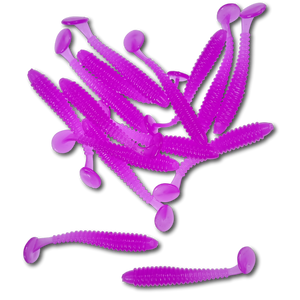


Jiggin' Johnsons' Paddle Tail Minnah 2.75" Soft Plastic Bait

$3.99
Current Stock:

$6.99 Flat Rate Shipping  ·  Orders Over $50 Ship Free

Your baits are made to order to ensure freshness and ship with tracking in 1-2 business days from Iowa.
Adding to cart… The item has been added
Pack Quantity:
Pack contains 10 baits
(No reviews yet)

The 2.75" Paddle Tail Minnah is the “right size most days” swimbait: compact enough for pressured fish, but big enough to get tracked in a little wind or stain. It’s a clean, dependable paddle tail that fishes well on simple hardware and also earns its keep as a trailer when you want a steady thump without bulk.

Bladed Jig

When/Where: Wind, stain, grass lanes, and anytime you want vibration plus a tight baitfish profile behind the blade.

How: Rig it perfectly centered. Retrieve just fast enough to keep the blade working; add short stalls to let the bait drop and re-engage.

Why: The blade calls fish in, and the paddle tail keeps the “it’s real” look when they close the distance.

Tuning: If it rolls, re-rig straighter and ensure the nose is seated flush on the keeper.

Spinnerbait

When/Where: Weed edges, docks, wind-blown banks, and cover seams where fish are feeding on small baitfish.

How: Thread it straight. Slow-roll deeper with the rod tip down, or wake it higher with the rod tip up.

Why: A compact paddletail adds lift and body without overpowering the blades—especially good when fish want “smaller but still moving.”

Tuning: If you get short strikes, slow down and keep it level through the strike zone longer.

Swim Jig

When/Where: Grass tops, outside edges, and shallow cover when fish are roaming but still relate to lanes and edges.

How: Swim it steady, then pop it free when you tick grass. Mix in quick kills next to cover to trigger reaction bites.

Why: The tail works even at slower speeds, so you can fish it “patient” without losing action.

Tuning: If it rides too high, slow down and keep your rod tip down to hold depth.

Underspin

When/Where: Clear to lightly stained water, suspended fish, and schooling situations where subtle flash helps fish track.

How: Count it down to the level you want and retrieve steadily. Add occasional quick handle turns to change cadence.

Why: Flash draws attention; the paddletail provides a steady, natural swim that sells it up close.

Tuning: If you see follows, slow down and add brief pauses so the bait “hangs” in the zone.

Drop Shot

When/Where: Clear water, vertical work, or when fish are suspended and you need precise depth control.

How: Nose-hook for maximum freedom, or lightly Texas-rig if there’s cover. Shake slack and let the tail quiver with minimal movement.

Why: The paddletail can “do something” even when you’re barely moving it—great for neutral fish.

Tuning: If fish are nipping, reduce movement and lengthen pauses; make it easier to pin.

Standard (Ball) Jig Head

When/Where: Rock, sand, current seams, and open-water situations where simple and effective is the plan.

How: Cast, let it fall, then swim it just off bottom. Mix in a couple hops when you contact rock.

Why: This is the cleanest “let the bait swim” setup—no extra hardware needed.

Tuning: If you’re snagging, lighten up and keep it moving; if you’re floating too high, bump weight slightly.

Texas Rig

When/Where: Grass and mixed cover when you want a weedless swimbait look that can glide into openings.

How: Rig straight and snug. Swim through lanes, then kill it next to targets and let it fall on semi-slack.

Why: You get baitfish swim + weedless efficiency—especially good around scattered cover.

Tuning: If bites are light, go lighter and let the fall do more work than your retrieve.

Weighted Swimbait Hook

When/Where: Shallow flats, weed edges, and mid-depth lanes where you want a stable swim and snag resistance.

How: Rig straight and swim it steadily. Add short twitches to change cadence without losing track.

Why: The weight keel helps it track true, and the hook point stays protected.

Tuning: If you want it higher, speed up; if you want it deeper, slow down and keep the rod tip down.

Weightless Rig

When/Where: Shallow cover, calm water, and spooky fish—especially around docks and edges.

How: Cast, let it fall, then use gentle twitches and long pauses. Keep slack so it can glide naturally.

Why: Weightless gives a slow, natural fall that looks like an easy meal.

Tuning: If it’s not gliding, you’re too tight—give it slack and shorten your twitches.

Pack Quantity::
Pack contains 10 baits