



Jiggin' Johnsons' 2.0" Flap Jack Soft Plastic Bait
Compact 2" panfish bait with a ribbed body and twin broad tail flaps that flutter during slow swims, short lifts and pendulum falls. Excellent for crappie around brush and suspended schools.
Best For
Micro Jig
Vertical Jigging
Finesse
Profile
Compact
Action
Moderate
$3.99
15 Baits Per Pack
(No reviews yet)

Write a Review

Jiggin' Johnsons' 2.0" Flap Jack Soft Plastic Bait
Why Choose the 2.0" Flap Jack?
Two broad flaps. One little bait that doesn't need much help.
The Jiggin' Johnsons' 2-inch Flap Jack gives crappie and panfish anglers a compact soft plastic with a different kind of tail action. Its short, ribbed body leads into two broad, flattened flaps that extend behind the bait. Instead of depending on a conventional single paddle or long curly tail, the Flap Jack provides a wider, fluttering rear profile that responds to slow pulls, small lifts and controlled falls. That makes it especially useful when crappie are suspended beside brush, around docks or along basin edges and will inspect a bait but do not want to chase it far. Cast it on a light jig and let it pendulum back toward the fish, lower it vertically into a school or suspend it beneath a float. The goal is to put a small, moving target at the right depth and allow its flaps to do the work. Each package contains 15 baits.
Choose the Flap Jack when:
- Crappie or panfish are following straight-tail plastics but need a little more movement to commit.
- You want a small bait with a broader rear silhouette than a conventional minnow.
- Fish are suspended around brush, docks, bridge columns or basin edges.
- You prefer short lifts and slow pendulum falls instead of continuous aggressive jigging.
- You need a profile that can be cast and swum, dropped vertically or suspended beneath a float.
Choose something else when:
- Fish are feeding specifically on narrow minnows and a conventional paddle-tail profile better matches the forage.
- You need an extremely subtle, nearly motionless straight-tail bait for neutral fish.
- You want a more pronounced single-tail thump for faster retrieves or covering water.
- The only jig hooks available are too large for the Flap Jack's short ribbed body.
- You are fishing dense vegetation that repeatedly catches an exposed-hook presentation.
Primary Presentations
Let it swing through the fish. Then slow everything down.
The Flap Jack is particularly useful when fish are holding at a specific depth. Its tail profile gives you a reason to favor controlled motion and a slower fall instead of repeatedly ripping the bait away from interested fish.
Primary
Light Jig / Cast & Pendulum Swim
Rig the Flap Jack on a small jig head and cast beyond the brush pile, weed edge or suspended school you intend to fish. Count the bait down to a repeatable depth, then retrieve slowly enough to keep it traveling through the strike zone. When it approaches cover or the fish, stop reeling briefly and allow it to swing or fall on a controlled line before resuming.
Why It WorksThe broad rear flaps give the bait a different action during slow swimming and changes in direction. The pause interrupts its forward motion and allows the tail sections to settle as the jig falls. That can be useful when crappie follow a steadily moving lure but refuse to chase it all the way back.
RiggingStart with an appropriately sized light ball or pill-shaped jig head. The 1/16-ounce Pillhead is an option worth evaluating when that weight suits the depth and conditions. Thread the short ribbed body straight, keep the hook gap exposed and leave both flattened flaps clear of the bend. Use the lightest practical head that maintains good casting and depth control.
Also Strong
Vertical Drop / Lift, Flutter & Hold
Position directly over a suspended school, beside a bridge column or near the outside edge of submerged brush. Lower the Flap Jack until it is just above the depth where fish are holding. Lift the rod tip a few inches, lower the bait on controlled line and pause. Watch the line carefully during the fall and when the lure stops moving.
Why It WorksA vertical presentation keeps the Flap Jack close to fish that are unwilling to travel far. The small lift provides movement, and the broad flaps can respond as the lure changes direction and settles. Holding it above the fish also reduces unnecessary contact with bottom debris and brush.
RiggingChoose a compact jig with a hook that fits the body and enough weight to maintain vertical line control. Begin with short movements rather than sharp snaps. When fish rise to inspect but do not bite, shorten the lift or lengthen the pause before changing lures.
Secondary Uses
More ways to work the Flap Jack's broad tail.
The Flap Jack does not require a complicated retrieve. The following presentations take advantage of its two flat tail sections while keeping the lure close to the depth and cover fish are using.
Slip Float or Fixed Float Drift
Set a slip float or fixed float so the Flap Jack hangs just above brush tops, scattered weeds or shallow submerged timber. Allow the wind or a gentle current to move the float naturally. Give it an occasional short pull and let the jig swing back beneath it. The flaps can respond to that movement without the bait traveling far from the fish. Adjust the float depth before increasing the amount of rod movement.
Slow Swimming Along Dock Posts
Cast the Flap Jack past a dock post or along the shaded edge of a dock. Let it sink to the level where crappie or bluegill are holding, then swim it slowly past the structure. Pause just beyond the post and allow the jig to settle briefly. Keep enough tension to detect a bite without pulling the lure out of the area too quickly.
Brush-Pile Edges Without Dragging Through the Wood
Instead of casting directly into heavy brush, work the Flap Jack across the top or along the outer edge. Count the jig down until it approaches the depth of the cover and maintain a controlled retrieve. Pause near the outside branches so the lure swings past them. This keeps the broad tail profile in front of fish while reducing the number of exposed-hook snags.
Slow Count-Down Over Basin Crappie
For schools suspended over deeper basin water, cast beyond the fish and use a consistent count to establish the desired depth. Begin a slow retrieve and keep the Flap Jack above the school rather than allowing it to drop beneath the fish. If the school is moving, repeat the same count and retrieve while adjusting your casting direction to follow them.
Light Lift-and-Fall Along Weed Edges
Fish the Flap Jack along the outside edge of sparse vegetation with a light jig. Let it sink into an open pocket, lift it a short distance and allow it to fall again. The flaps provide a wider moving target than a plain straight tail. Avoid dragging it through thick stems, where a single exposed hook can collect weeds and interrupt the presentation.
Vertical Ice Fishing for Suspended Crappie
When fish beneath the ice are willing to inspect a slightly larger panfish plastic, use the Flap Jack on a correctly sized vertical jig. Lower it to just above the fish, make small controlled lifts and let the broad flaps move as it settles. This is not necessarily the first choice for extremely neutral fish. If marks repeatedly approach and turn away, try a smaller, quieter profile before increasing jigging speed.
Color and Conditions
Pink Panther puts a bright target behind that fluttering tail.
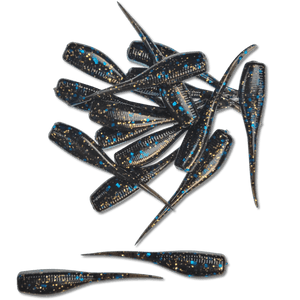
The supplied photograph shows Pink Panther, a vivid translucent hot-pink color with scattered black flakes throughout the ribbed body and broad tail flaps. The dark flakes provide visual contrast within an otherwise bright plastic. The color stands out strongly against the black photographic background, but its underwater appearance will change with depth, light and water clarity. Select other colors only from the options actually offered on the product listing.
Clear Water
Start with a natural or subdued color when fish are closely inspecting the bait and matching small forage matters. Pink Panther is a brighter alternative when you want the Flap Jack to be more noticeable. In clear conditions, keep the retrieve controlled and give following fish time to commit rather than continually speeding up.
Stained Water
Pink Panther is worth trying in lightly stained water because its bright body provides a visible target. The black flakes add some contrast without changing the bait's basic profile. When visibility is limited, work the Flap Jack near likely holding areas and keep it at a consistent depth so fish have a better opportunity to locate it.
Low Light / Ice / Deeper Water
Light penetration and water color affect how the pink plastic appears below the surface. Begin by locating the fish and matching their depth. A brighter color can be useful, but Pink Panther should not be assumed to glow in the dark. If a verified glow option is offered, choose it through the actual color selections when glow performance matters.
Tuning and Specifications
A straight body and two free flaps make the difference.
The Flap Jack is simple to rig, but small differences in hook placement can affect how its broad rear sections move. Start by matching the hook to the ribbed body and keeping the tail area completely clear.
On-the-Water Tuning
- Choose by body length: Match the jig hook to the short ribbed portion rather than the full two-inch length of the bait.
- Thread straight: Enter the front of the body near its centerline and bring the hook point out without twisting the plastic.
- Keep the flaps clear: Both broad tail sections should remain free of the hook bend and jig head.
- Check the hook gap: Leave enough exposed gap for reliable hookups, especially with the thicker ribbed body.
- Use a light head: Start with enough weight for casting and depth control. Avoid using extra weight solely to make the bait fall faster.
- Watch the pendulum: After a slow retrieve, pause and observe how the jig swings downward on controlled line.
- Reduce hard snaps: Short lifts and gradual changes in speed suit the intended action better than constantly jumping the lure several feet.
- Correct unwanted spinning: If the Flap Jack rolls during retrieval, check that the body is centered on the hook and that the flaps are not caught.
- Watch for fall bites: A strike may appear as sudden slack, a line twitch or the lure stopping before the expected depth.
- When fish only follow: Try a smaller lift, a slower retrieve or a longer pause before changing colors.
- After catching a fish: Straighten the bait and inspect both flaps for damage or twisting around the hook.
For general light-jig work, compare the Jiggin' Johnsons' Pillhead Jig and Galaxy Jig. Both offer 1/16-ounce heads, but their hook choices differ. Select only after checking the Flap Jack's actual body and hook fit.
Product Specifications
- Maker: Jiggin' Johnsons' Tackle Box
- Product: Flap Jack Soft Plastic Bait
- Length: 2.0 inches
- Package Quantity: 15 Baits Per Pack
- Profile: Compact flap-tail finesse bait
- Body: Short, segmented, ribbed central section
- Tail: Two broad, flattened, flexible flaps
- Action: Rear flutter on slow pulls, short lifts and controlled falls
- Material: Soft plastic
- Color Shown: Pink Panther
- Primary Species: Crappie, bluegill and perch
- Primary Uses: Light-jig swimming, vertical jigging and float drifts
- Useful Locations: Docks, brush piles, weed edges, bridge columns and suspended schools
- Construction: Made-to-order soft plastic bait
- Manufacturer Options: Color, extra tail color and optional scent; Qwik Fishing purchasing options may differ
- Fulfillment: Made fresh to order in Iowa; see the current product listing for shipping availability and lead time
Choose the actual color and any available customization through the purchasing controls above. The manufacturer notes that adding scent may slightly alter the finished color.
The manufacturer's own storefront offers extra tail-color customization. Do not assume that option is available on Qwik Fishing unless it appears in the purchasing controls.
Explore more products from Jiggin' Johnsons' Tackle Box, shop Crappie & Panfish Soft Plastics, or compare options for Ice Fishing Soft Plastics.
Store the Flap Jack flat in its original packaging. Avoid keeping the broad flaps folded or compressed for long periods, and separate colors when practical to reduce color transfer.
Have torn or worn-out soft plastics? See our Soft Plastic Recycling Information.
Product Q&A
Questions about the 2" Flap Jack.
These answers cover the Flap Jack's unusual tail, practical rigging decisions and the presentations most likely to get its movement working for crappie and panfish.
What kind of bait is the Jiggin' Johnsons' Flap Jack?
The Flap Jack is a two-inch finesse soft plastic with a compact ribbed body and two broad, flexible tail flaps. It is intended for crappie, bluegill, perch and similar light-tackle applications where anglers want a small bait with more rear movement than a plain straight-tail plastic.
What makes the Flap Jack different from a conventional paddle tail?
The Flap Jack uses two broad, flattened rear flaps rather than a single boot-shaped paddle tail. Those flaps give the lure a wider rear silhouette and movement during slow pulls, lifts and falls. A conventional paddle tail such as the 2-inch Ripswim offers a more familiar baitfish profile and tighter single-tail swimming action.
What fish can I catch with the Flap Jack?
The manufacturer's primary recommendations are crappie, bluegill and perch. The compact two-inch length also makes the bait worth evaluating for other fish feeding on similarly sized forage. Match your hook, line and presentation to the fish and the cover you intend to fish.
How do I rig the Flap Jack on a jig head?
Thread the ribbed central body straight onto a small jig hook. Bring the hook point out before the rear flaps and keep the exposed hook gap open. The hook shank should support the body without extending into the flexible tail sections. After rigging, check that both flaps are separated and free to move.
Which jig head should I choose for the Flap Jack?
Start by evaluating a light ball or pill-shaped head. The Jiggin' Johnsons' Pillhead is a 1/16-ounce jig with #4, #6 and #8 hook options, while the Galaxy Jig has a 1/16-ounce head and #6 hook. The Ice Jig provides additional choices for vertical presentations. Actual hook fit depends on the Flap Jack's short ribbed body and has not been physically confirmed.
What is a pendulum swim, and why does it suit this bait?
A pendulum swim uses a cast, controlled sinking depth and slow retrieve, followed by a pause that lets the jig swing downward on the line. The Flap Jack's broad rear flaps can respond as the bait changes speed and direction. This presentation is especially useful around suspended crappie and brush edges where you want the lure to spend time at a productive depth instead of racing through it.
Can I fish the Flap Jack vertically for crappie?
Yes. The manufacturer recommends vertical drops as a primary application. Lower the bait to just above suspended fish or brush, lift it a few inches and let it settle on controlled line. Watch for subtle strikes on the fall and keep the bait near the fish rather than repeatedly jumping it well above them.
Will the Flap Jack work beneath a slip float?
Yes. Set the float so the lure hangs just above vegetation, brush tops or the depth where crappie are holding. Allow wind or gentle current to move the float and occasionally make a short pull. The lure can swing and settle beneath the float while remaining near fish that are not willing to chase a faster presentation.
Should I swim the Flap Jack fast or slow?
Begin slowly. The manufacturer emphasizes light pulls, short lifts and controlled slack rather than hard snaps. Once the bait is rigged straight, use enough movement to activate the flaps while maintaining the intended depth. If fish follow but do not strike, shorten the movement or pause longer before increasing retrieve speed.
Can I use the Flap Jack for ice fishing?
Yes, when fish are willing to investigate a two-inch finesse profile. The manufacturer includes it in its ice-fishing assortment. Use an appropriately sized vertical jig, position the bait near suspended crappie or perch, and work with short lifts and pauses. For very neutral fish, a smaller or less active plastic may be more appropriate.
What is Pink Panther, and does it glow?
The supplied Pink Panther photograph shows translucent hot-pink plastic with scattered black flakes. The color provides a bright visual target, especially in contrast with darker surroundings. Glow-in-the-dark properties have not been verified, so do not assume Pink Panther glows unless the actual product option identifies that feature.
Can I order a different tail color or add scent?
The manufacturer offers color, extra tail-color and scent selections on its own storefront. Available options on Qwik Fishing may differ. Use only the purchasing controls shown above for this listing. The maker notes that scent can slightly change the appearance of the finished bait.
How many Flap Jacks come in a package?
Each package contains 15 Jiggin' Johnsons' 2-inch Flap Jack soft plastic baits. This quantity is confirmed by the manufacturer's product specifications.
How should I store Flap Jack soft plastics?
Keep the baits flat in their original packaging, away from direct sunlight and excessive heat. Avoid folding or crushing the two broad tail flaps for long periods. Separate strongly contrasting colors when practical to reduce color transfer, and straighten the plastic before fishing if a tail has become temporarily bent in storage.
Companion Tackle & Alternatives
Choose a light head or compare a tighter swimming tail.
The Flap Jack's broad flaps work best when the hook fits the ribbed body and the tail remains unrestricted. These existing Qwik Fishing products provide practical starting points for casting, vertical jigging and comparing swimming action. Check actual hook fit before ordering a jig head.
Light Jig & Pendulum Swim
Jiggin' Johnsons' Pillhead Jig (5 Pack)
1/16-ounce head with #4, #6 and #8 hook options for casting, controlled swimming and float work. Check Flap Jack fit.
Round-Head Alternative Jiggin' Johnsons' Galaxy Jig (5 Pack)A 1/16-ounce round-head jig with a #6 hook for small plastics, short lifts and controlled retrieves. Confirm hook compatibility.
Vertical Panfish Jigging Jiggin' Johnsons' Ice Jig (5 Pack)Selectable jig and hook sizes for controlled vertical presentations near suspended fish. Check fit with the two-inch body.
Tighter Swimming Alternative Jiggin' Johnsons' 2.0" Ripswim (15 Pack)A compact ribbed minnow with a single paddle tail when fish prefer a more conventional baitfish swimming action.


