

Soft Plastic Gilleys
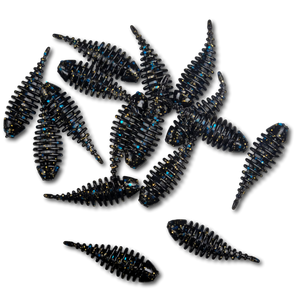
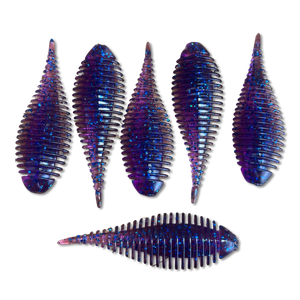
Soft plastic gilleys are bluegill-profile, sunfish-profile, and compact panfish-style baits built around shape, glide, fall, hook fit, and how bass relate to shallow forage.
The Quick Answer
Start with what the gilley needs to imitate or do. Does it need to look like a bluegill, glide beside cover, skip under docks, swim through grass, fall flat, or add a panfish profile behind a jig or moving bait? Once that job is clear, body shape, hook gap, fall rate, rigging style, and color get much easier.
Start with the Gilley’s Job
A gilley is a soft plastic profile built around the shape and movement of bluegill, sunfish, and other compact panfish forage. It can be a Texas-rigged cover bait, a jig trailer, a weedless swimmer, a skipping bait, a hover-style profile, or a compact bluegill imitator. The cover, rig, and forage decide which gilley makes sense.
Texas-Rigged Gilleys
Use a Texas-rigged gilley when bass are tight to grass, wood, docks, reeds, pads, or bank cover and you want a weedless bluegill-shaped bait instead of a craw, worm, or creature.
Gilley Trailers
Use a trailer-style gilley when you want a jig, swim jig, bladed jig, spinnerbait, or compact moving bait to look more like a bluegill or panfish than a craw or shad.
Skipping / Dock Gilleys
Use compact, flat-sided gilleys around docks, overhangs, and shade lines. A bait that skips cleanly and falls naturally gives bass a better target in tight water.
Finesse / Hover Gilleys
Use smaller or subtler gilleys when fish are pressured, suspended, guarding beds, feeding on small panfish, or inspecting baits closely in clear water.
Soft Plastic Gilley Size and Profile Guide
Gilleys usually come down to body shape, flat-sided profile, hook fit, rigging style, fall rate, trailer use, swimming action, and where bass are seeing bluegill or panfish. Color matters, but the first question is whether the bait needs to glide, swim, skip, fall flat, stand out as a bluegill, or move through cover cleanly.
| Profile | Best Use | Why It Works | Watch-Out |
|---|---|---|---|
| Small / finesse gilleys | Pressured fish, clear water, bed fish, smaller panfish forage, hover-style rigs, and tough bites. | A smaller gilley gives fish the bluegill shape without overpowering the presentation. | They can be hook-fit sensitive and may need lighter hooks, cleaner rigging, and a slower fall. |
| Standard gilleys | Everyday bluegill imitation, shallow cover, Texas rigs, docks, grass, and general bass use. | This is the best starting point when you want a panfish profile that still rigs and fishes cleanly. | Check hook gap. A standard gilley with a thick body can still crowd the hook point. |
| Wide-body gilleys | Stronger bluegill silhouette, skipping, flipping, pitching, and better target profile around cover. | A wider body shows bass a bigger panfish-shaped target and can glide or fall with more presence. | Wide bodies need enough hook gap and clearance or hookups can suffer. |
| Thin / flat-sided gilleys | Natural glide, falling action, bed fishing, hover-style use, docks, and fish inspecting the bait. | A flat profile can fall, slide, and glide more like a small sunfish turning sideways. | Flat baits need to be rigged straight. Crooked rigging can make them roll or spin. |
| Ribbed or high-action gilleys | Stained water, swimming, moving-bait trailer use, grass edges, and calling fish from cover. | Ribs, fins, or extra action add vibration and help the bait show up better in dirtier water. | Too much action can look unnatural in clear water or when fish want a slower, quieter profile. |
| Subtle / natural gilleys | Clear water, pressured fish, slower retrieves, bluegill beds, and realistic panfish imitation. | A quieter profile lets the shape do the work without looking overdone. | They may not call fish from as far away, so casting accuracy and placement matter more. |
| Trailer-style gilleys | Jigs, swim jigs, bladed jigs, spinnerbaits, compact moving baits, and bluegill-style trailers. | They change a bait from a craw, shad, or general moving-bait look into a panfish profile. | A trailer that is too wide or long can overpower the hook, skirt, blade, or overall balance. |
| Heavy-cover gilleys | Thicker bodies, stronger hook compatibility, flipping, pitching, laydowns, reeds, pads, and grass. | More body and durability help the bait survive cover and repeated pitches. | Watch hookup clearance. Tougher plastic and thicker bodies still need room to collapse. |
Rigging Soft Plastic Gilleys
Gilleys can be Texas-rigged, rigged weightless, rigged on weighted swimbait hooks, used on hover-style hooks or jigs, or used as trailers. The wider and flatter the bait gets, the more hook gap, body alignment, and weight control matter.
Hook gap matters
Flat-sided and wide-body gilleys need enough clearance for the hook point. If the body blocks the hook, the bait may look right but miss fish.
Rig it straight
A crooked gilley can roll, spin, or lose the glide it was designed to have. Line up the centerline before you fish it and check it after every fish or hard pull.
Weight changes fall and glide
Too much weight can kill a natural bluegill fall. Use enough weight to reach the fish, but not so much that the bait loses its flat fall, slide, or glide.
Weightless can shine shallow
Weightless or lightly weighted gilleys can be strong around docks, shade, shallow grass, bed fish, bluegill beds, and fish that want a slower falling target.
Weighted hooks add control
A belly-weighted hook can improve casting, keep the bait tracking, and turn a gilley into a weedless subsurface swimmer around grass and shallow cover.
Trailers change the whole bait
As trailers, gilleys can shift a jig or moving bait from a craw look to a bluegill or panfish look. Match the trailer width and length to the hook and skirt.
Best Soft Plastic Gilley Presentations
A gilley can be a cover bait, a trailer, a skipping bait, a bed-fishing bait, a weedless swimmer, or a hover-style profile. Pick the presentation first, then choose the body width, hook, and weight that let the bait do that job cleanly.
Texas Rig Through Shallow Cover
Rig the gilley weedless and fish it around grass, reeds, laydowns, pads, docks, and bank cover when bass are feeding around bluegill or sunfish.
Weightless Glide Around Docks
Let a flat-sided gilley fall and glide beside dock posts, shade lines, and overhangs. The slower fall gives fish time to track and eat.
Swim Jig Trailer
Use a gilley trailer behind a swim jig when you want a bluegill profile moving through grass, reeds, docks, and shallow cover.
Bladed Jig Trailer
A compact gilley can give a bladed jig a wider panfish profile, especially around stained water, grass edges, and bluegill-oriented bass.
Spinnerbait Trailer
Add a small gilley trailer when bass are feeding on panfish and you want more body behind the blade without going to a full swimbait profile.
Compact Jig Trailer
Use a trailer-style gilley on a compact jig when fish are around bluegill, docks, grass, and shallow cover but you still want bottom or cover contact.
Skip Under Docks
Pick a compact, smooth-sided bait that skips cleanly. Let it slide into shade, settle, and fall naturally before working it out.
Flip or Pitch to Laydowns
Pitch a thicker gilley around wood, reeds, pads, and grass when you want a bluegill-shaped bait that can handle cover.
Bed Fishing / Bluegill Bed Edges
Use natural bluegill and sunfish profiles around beds, bluegill colonies, shallow flats, and areas where bass are watching panfish closely.
Hover-Style Suspended Presentation
Use a smaller or flatter gilley on hover-style hooks or light jigheads when fish are suspended, pressured, or keying on small panfish in clear water.
Weighted Hook Weedless Swim
Swim a gilley on a belly-weighted hook around grass, docks, pads, and shallow cover when you want a subsurface panfish bait without exposed hooks.
Slow Fall Beside Grass Edges
Let the bait fall slowly beside grass edges, holes, and shade pockets. Many gilley bites happen when the bait turns, glides, or stalls beside cover.
Color, Water Clarity, and Forage
Color matters, but with gilleys the first question is usually profile and fall. A bluegill-shaped bait that glides, skips, swims, or falls correctly will usually beat the perfect color on the wrong hook, wrong weight, or wrong body shape.
Clear Water
Green pumpkin, watermelon, natural bluegill, smoke, translucent green, subtle flake, and quiet panfish tones are good starting points when fish can inspect the bait.
Stained Water
Green pumpkin, black and blue, bluegill blends, chartreuse accents, darker backs, and stronger contrast help the bait show up around cover.
Dirty Water / Low Light
Black and blue, solid dark, white or contrast belly colors, and stronger silhouettes help fish find the bait when detail matters less than target shape.
Bluegill Beds / Shallow Panfish Forage
Green pumpkin, watermelon, brown and green blends, bluegill, sunfish, orange accents, and chartreuse hints can match shallow panfish color cues.
Grass and Pads
Green pumpkin, black and blue, dark green, bluegill, and high-contrast belly colors are strong choices around grass, pads, reeds, and shallow cover.
Tough Bite
Go smaller, more natural, slower falling, and cleaner rigged before you start changing every color in the box.
Common Soft Plastic Gilley Mistakes
Treating every gilley like a creature bait
Using too small of a hook gap
Rigging a flat bait crooked
Adding too much weight and killing the glide
Choosing color before fixing fall rate or hook fit
Using a trailer-style gilley when you need a standalone bait
Using a standalone gilley when a smaller trailer would balance better
Fishing too fast when fish are inspecting bluegill profiles
Ignoring where bluegill actually are
Gilley vs Creature Bait vs Craw vs Swimbait
Gilleys shine when you want a panfish or bluegill profile, a wider body shape, a different fall or glide, or a bait that looks more like shallow forage than a craw or worm. Craws often shine when fish are eating bottom-oriented prey or when a pinch-and-flare profile fits the cover. Creature baits are more general-purpose cover baits. Swimbaits usually imitate baitfish with a steadier swimming action. Flukes imitate baitfish with more dart and glide. Gilleys live in the overlap between bluegill profile, cover bait, trailer, and weedless swimmer.
| Bait Type | Best For | Why You’d Choose It | Watch-Out |
|---|---|---|---|
| Gilley / Bluegill Profile | Panfish forage, shallow cover, docks, grass, bluegill beds, trailers, skipping, and glide or fall presentations. | It gives bass a wide, compact bluegill-style target instead of a craw, worm, shad, or general creature shape. | Hook gap, body width, and rigging straight matter more than many anglers expect. |
| Creature Bait | General flipping, pitching, Texas rigs, cover contact, and situations where appendage action helps. | It is a more general cover bait when you want bulk, movement, and versatility without needing a panfish shape. | It may not give the same bluegill silhouette, flat glide, or trailer profile as a gilley. |
| Craw | Bottom contact, jig trailers, rock, wood, flipping, and crawfish imitation. | It gives fish a claw-and-flare profile that fits bottom-oriented feeding and traditional jig work. | If bass are keyed on bluegill around shallow cover, a craw may not match the forage as well. |
| Paddletail Swimbait | Steady swimming, baitfish imitation, clearer water search, and subsurface retrieves. | It gives a consistent tail kick and baitfish shape when fish want a swimming meal. | It usually does not give the same wide panfish body or flat falling action. |
| Fluke | Twitching, darting, baitfish glide, schooling fish, and weightless jerkbait-style presentations. | It shines when fish are chasing baitfish and reacting to side-to-side darting action. | It leans more shad or minnow than bluegill, even when fished around the same cover. |
| Tube | Spiraling fall, smallmouth, goby or crawfish imitation, dragging, snapping, and compact profiles. | It has a natural fall and compact body that can be deadly around rock, current, and bottom contact. | It does not usually present the same panfish-shaped side profile as a gilley. |
Care, Storage, and Recycling
Storage
Store flat in the original bag to preserve shape. Keep dark colors separate to avoid bleeding. Compatible with most gel scents.
Plastics Recycling
Don’t toss torn baits, recycle or dispose of properly. Learn more here: https://qwikfishing.com/recycling/
Related Guides and Categories
Use these when you want to go deeper on soft plastics, bait size, fall rate, color, rigging, hook fit, and nearby bait profiles that often overlap with soft plastic gilley fishing.
Are You a Gilley or Bluegill-Profile Bait Maker?
Are you a bait maker that would like to see your gilleys, bluegill-profile plastics, panfish-shaped soft baits, small sunfish imitators, flat-sided creature swimmers, or compact forage baits featured here? Qwik Fishing is built around useful tackle from real small bait makers, not just the same wall of mass-market baits everywhere else.
Let’s Talk Baits