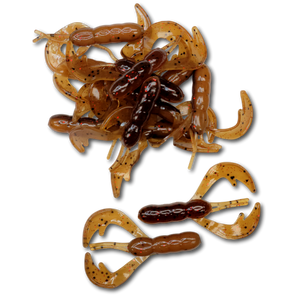


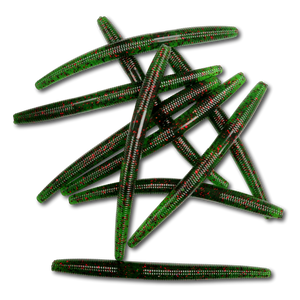
Barracuda Baits Tournament Series 3.8" Gilley Sniper Soft Plastic Bait

$7.99
Current Stock:

$6.99 Flat Rate Shipping  ·  Orders Over $50 Ship Free

Ships in 1–3 days from San Antonio, TX. Some orders may ship from Cedar Falls, IA
Adding to cart… The item has been added
Package Quantity:
Package contains 6 baits
(No reviews yet)

The Gilley Sniper is a “get-bit” gilley profile—built for situations where you want a compact bluegill silhouette and clean tracking without a lot of bulk. Use it when fish are following, short striking, or just refusing bigger profiles.

Bladed Jig

When/Where: Stained water edges, wind, shallow grass lanes, and hard-bottom flats when you want a bluegill-ish trailer without overpowering the jig.

How: Thread it straight and keep the body centered so it tracks true. Start with a steady retrieve; add short pauses to let it “tick” down and flare back up.

Why: A gilley profile can look more “real” than a paddletail when fish are keyed on panfish—especially in lakes with loads of small gills.

Tuning: If it rolls, downsize the trailer length (or trim a touch off the nose) and re-thread perfectly straight.

Finesse/Compact Jig

When/Where: Rock transitions, dock posts, and sparse grass where a small jig gets bites but you still want a “bluegill snack” profile.

How: Use small hops and controlled drags. Let it settle, then move it just enough to look alive—think “nervous gill,” not “escaping shad.”

Why: It adds a compact body and subtle thump without turning a finesse jig into a big, loud package.

Tuning: In cold water, drag more than hop; in warm water, add a few quick pops to trigger reaction bites.

Spinnerbait

When/Where: Wind banks, shallow cover, and stained water where the blades call fish in—but you want the trailer to “seal the deal.”

How: Rig it straight and keep the retrieve smooth. If fish are bumping but not eating, slow-roll it so the trailer rides just behind the blades.

Why: The gilley silhouette can match panfish forage better than standard straight trailers when bass are gill-hunting.

Tuning: If it rises too high, add a slightly heavier head or slow your rod angle down toward the water.

Swim Jig

When/Where: Grass lines, shallow wood, and scattered weeds—especially when fish are ambushing panfish in the top half of the water column.

How: Slow-roll with occasional micro-pauses. Let it “hunt” by gently ticking grass and popping free.

Why: A swim jig already sells the panfish story—this trailer reinforces it with a compact, believable body.

Tuning: If you want a tighter look, trim a small amount off the nose so it sits snug against the collar.

Underspin

When/Where: Clear-to-stained water, over points, along breaks, and around suspended fish that want something “easy” and natural.

How: Cast, count it down, and swim it just fast enough to keep the blade turning. Add brief stalls so it pendulums down.

Why: Underspins excel when fish want subtle flash plus a realistic body—this is a clean match for that job.

Tuning: If short strikes happen, go to a slightly smaller hook gap/head size or add a stinger only where legal and appropriate.

Drop Shot

When/Where: Vertical on marks, along deep edges, or when fish are following but refusing moving baits.

How: Nose-hook for maximum quiver, or light Texas-rig if you’re around grass/brush. Shake slack, not the weight.

Why: You keep the gilley profile in their face without forcing them to chase—great for pressured fish.

Tuning: If it spins, reduce shake intensity and re-rig perfectly straight.

Standard (Ball) Jig Head

When/Where: Breaklines, sand/rock, current seams, and open-water swimming—classic “search and feed” mode.

How: Swim it steadily, then add occasional bottom contact: two cranks, a pause, repeat.

Why: Simple, efficient, and deadly—this is the “find them” setup when you don’t want to overthink it.

Tuning: Match jig weight to depth so it ticks bottom only when you want it to.

Texas Rig

When/Where: Wood, docks, and edges where you need weedlessness but still want a bluegill profile instead of a worm/craw look.

How: Use light weight and short pulls. Let it glide down on slack line, then lift and repeat.

Why: You can sneak a panfish silhouette into cover where an exposed-hook swimbait would hang up.

Tuning: Peg the weight to keep the package compact when pitching tight targets.

Weighted Swimbait Hook

When/Where: Shallow grass and reed edges when you want to swim through cover without fouling.

How: Rig it perfectly centered. Swim it through lanes; pop it free when it ticks grass.

Why: Weedless swimming with a natural body profile—great when fish are hunting gills in the junk.

Tuning: If it rolls, make sure the hook point exits dead-center and the bait isn’t twisted.

Weightless Rig

When/Where: Calm, shallow water; docks; and edges where fish are spooky or cruising.

How: Cast past targets and let it glide naturally. Use small twitches and long pauses.

Why: A slow, natural fall can outfish everything when the bite is “look but don’t commit.”

Tuning: If you need a touch more control, add the smallest nail weight you can get away with.

Package Quantity::
Package contains 6 baits