

Soft Plastic Creature Baits
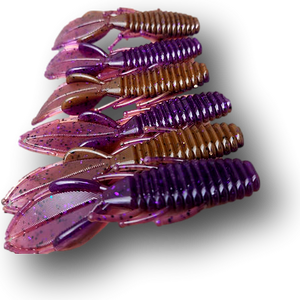
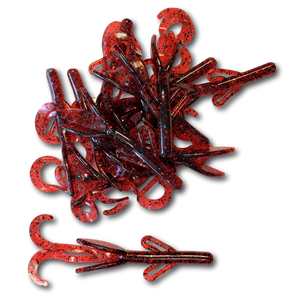
Creature baits are built for bulk, appendages, water displacement, cover, and those “something alive” bites when a craw, worm, or baitfish profile is not quite the right call.
The Quick Answer
Start with the job. Creature baits shine when you need more body bulk, more water movement, better cover contact, or a bait that looks alive without perfectly matching a craw, worm, or baitfish. Pick the rig and cover first, then tune size, hook fit, weight, fall rate, and color.
Start with the Creature Bait’s Job
Creature baits overlap with craws, bugs, beavers, flipping baits, punching baits, and compact jig trailers. The difference is the job they are asked to do. A creature bait is often the choice when you want cover-friendly bulk, a stronger target, more water movement, or a bait that gives fish something natural-looking to track without looking like one exact forage.
Flipping & Pitching
Use creature baits around wood, brush, docks, grass edges, laydowns, and short targets where the bait needs to enter cleanly and stay in the strike zone.
Texas Rig Creature Baits
A Texas rig is the everyday creature bait setup for weeds, pockets, shallow cover, scattered grass, and slower bottom contact.
Carolina Rig Creatures
Drag creature baits across points, flats, transitions, offshore edges, and hard-to-soft bottom changes when fish are feeding near bottom.
Heavy Cover / Punching
Choose slimmer or cleaner-tracking creature profiles when you need to punch mats, pads, reeds, or thick vegetation without fouling up.
Creature Bait Size and Bulk Guide
With creature baits, length only tells part of the story. Body thickness, appendage size, hook gap, and how much water the bait catches can change how the same listed size actually fishes.
| Profile | Best Use | Why It Works | Watch-Out |
|---|---|---|---|
| Compact / finesse creature baits | Clear water, pressured fish, docks, light Texas rigs, smallmouth, and tough bites. | Gives a living, bottom-oriented profile without overwhelming fish or crowding smaller hooks. | Can get lost in dirty water or heavy cover if the profile is too subtle. |
| Standard creature baits | Everyday Texas rigs, Carolina rigs, grass edges, shallow cover, and mixed bottom. | The best starting point when you want bulk, movement, and rigging flexibility without going oversized. | Still needs the right hook gap so the body can collapse and the hook can clear plastic. |
| Bulky creature baits | Stained water, bigger targets, slower fall, bigger fish, and places where fish need help finding the bait. | Pushes more water, slows the drop, and gives fish a bigger meal-sized target. | Can be too much in clear water, cold fronts, current, or pressured fishing situations. |
| Heavy-cover / punching-style profiles | Matted grass, pads, reeds, thick vegetation, and vertical presentations through cover. | Cleaner profiles penetrate better while still giving fish bulk and appendage movement once the bait gets through. | Too much appendage drag can hang up, slow penetration, or keep the bait from reaching fish cleanly. |
Bulk, Fall Rate, and Action
Creature baits are all about profile control. Appendages slow the fall. Slimmer bodies penetrate cover better. Bulky bodies push more water. Fall rate still comes before color because the bait has to reach the right place, at the right speed, before the color can matter.
Appendages slow the fall
Arms, flappers, ribs, and side appendages catch water. That can keep a bait in the strike zone longer, but it can also make it harder to punch cover or control in current.
Slimmer profiles penetrate better
When the cover is thick, a cleaner creature bait often gets through better than a bait with wide arms and lots of drag.
Bulky profiles push water
In stained water, heavy cover, low light, or around bigger fish, a bulkier creature bait can create a stronger target for fish to find.
If fish are missing it
Check hook gap, body thickness, weight, and fall rate before making a big color change. The bait may be too bulky for the hook or moving past fish too fast.
If the bite gets tough
Cold fronts, clear water, current, and pressured fish can punish too much action. Downsize the profile, reduce appendage drag, slow the cadence, or soak the bait longer.
Best Creature Bait Rigs
Pick the rig that matches your cover and depth, then tune the bait by body bulk, hook gap, weight, and fall rate. A creature bait can be subtle or loud depending on how you rig it.
Texas Rig
Best all-around setup for creature baits around weeds, docks, laydowns, brush, shallow cover, and scattered grass. Use enough weight to stay connected without killing the bait’s natural fall.
Carolina Rig
Best for dragging points, flats, transitions, offshore edges, and bottom changes. A creature bait gives the rig a bigger bottom-oriented target than a straight worm.
Punching Rig
Best for matted grass, pads, reeds, and thick vegetation. Choose a profile that slips through cover cleanly, then opens up once it reaches the fish.
Flipping / Pitching Rig
Best for close targets around cover. Pegged or semi-pegged weights help keep the bait and sinker together when you need precise placement.
Swing Head / Wobble-Style Head
Best when you want a creature bait to crawl, hunt, and move across hard bottom with more freedom than a fixed jig head.
Jig Trailer Crossover
Some compact creature baits work well as jig trailers, especially when you want a bluegill-ish, bug-like, or bulky profile instead of a true craw trailer.
Color, Cover, and Fish Mood
Creature bait color is easiest to pick once the profile is right. Start natural in clear water, add contrast in stained water, and think silhouette, scent, vibration, and profile in dirty water or heavy cover.
Clear Water
Start with green pumpkin, watermelon, natural browns, and subtle baitfish or bluegill tones. Keep the profile believable and avoid overdoing action when fish are pressured.
Stained Water
Black/blue, junebug, dark green pumpkin, contrast flake, and darker bodies help fish track the bait while still looking like food.
Dirty Water / Heavy Cover
Think silhouette first. Scent, vibration, bulk, profile, and bright accents can matter more than exact color because fish need to find the bait quickly.
Common Creature Bait Mistakes
Using too much bulk for the hook gap
Picking action before penetration
Changing color before fall rate
Fishing every creature bait like a craw
Using too light of a weight in cover
Overworking the bait
Care, Storage, and Recycling
Storage
Store flat in the original bag to preserve shape. Keep dark colors separate to avoid bleeding. Compatible with most gel scents.
Plastics Recycling
Don’t toss torn baits, recycle or dispose of properly. Learn more here: https://qwikfishing.com/recycling/
Related Guides and Categories
Use these when you want to go deeper on soft plastics, color, size, fall rate, rigging, or nearby bait profiles.
Are You a Bait Maker?
Are you a bait maker that would like to see your creature baits featured here? Qwik Fishing is built around useful tackle from real small bait makers, not just the same wall of mass-market plastics everywhere else.
Let’s Talk Baits