

Soft Plastic Craws
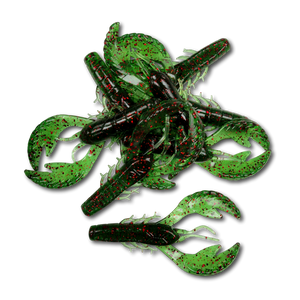
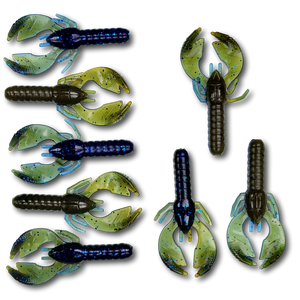
Craw soft plastics work as jig trailers, Texas rig baits, Ned craws, and bottom-contact baits. Pick the rig and fall-rate lane first, then narrow by size, color, and brand.
The Quick Answer
Start with how you are fishing the craw. Compact craws fit finesse jigs, Ned heads, docks, and pressured fish. Bulkier craws help slow the fall, push water, and create a bigger target. Color matters, but only after the size, profile, hook fit, and fall rate make sense.
Ready to Pick a Pack?
Use the guide below if you want help choosing, or jump straight to the product grid and filter by color, size, brand, and price.
Start with the Craw’s Job
A craw used as a compact jig trailer is doing a different job than a craw dragged on a football jig or flipped into grass. Start with the job first, then narrow down by size, profile, fall rate, and color.
Jig Trailers
Use craw trailers when you want body, claw flare, and fall-rate control on arky, flipping, football, swim, and finesse jigs.
Texas Rig Craws
Texas rig craws are strong around grass, laydowns, docks, brush, and mixed shallow cover where a jig may hang too much.
Ned / Finesse Craws
Compact craws shine in clear water, current seams, tough bites, smallmouth water, and walleye edges.
Big Profile Craws
Bulkier craws help slow the fall, push more water, show up in stained water, and create a stronger target around cover.
Soft Plastic Craw Size Guide
Length matters, but bulk matters too. A slim 3.5 inch craw and a wide 3.5 inch craw can fish completely differently.
| Craw Size | Best Use | Why It Works | Watch-Out |
|---|---|---|---|
| 1 inch micro craws | Panfish, ultra-finesse, tiny forage, pressured river fish. | Gives a craw profile without a full meal-sized bait. | Easy to overpower with too much hook, weight, or line. |
| 2 to 2.5 inch finesse craws | Ned rigs, compact finesse jigs, clear water, smallmouth, walleye edges. | Small enough for tough bites but still gives claws and bottom presence. | Can disappear in dirty water unless color or profile helps fish find it. |
| 3 to 3.75 inch craws | All-around bass fishing, jig trailers, Texas rigs, rock, docks, grass edges. | The most versatile size range for everyday soft plastic craw fishing. | Still needs the right hook gap and fall-rate match. |
| 4 inches and up | Heavy cover, stained water, bigger fish, slower fall, stronger profile. | Pushes more water and creates a bigger visual target. | Can be too much in clear water or when fish are pressured. |
Fall Rate Comes Before Color
If a craw bait is not getting bites, do not immediately blame color. Fall rate, hook fit, profile, and cadence usually decide whether the bait looks right before color finishes the job.
If it falls too fast
Drop weight, choose a bulkier craw, use more claw resistance, or switch to a slower-falling setup.
If it falls too slow
Increase weight, slim the profile, reduce claw drag, or use a bait that tracks cleaner in current or wind.
If fish follow or nip
Check hook position, profile size, pause length, and target clarity before making a big color change.
Best Craw Rigs
These are the most practical starting points for soft plastic craws. Pick the rig that matches your cover and water, then tune fall rate before color.
Arky / Flipping Jig + Craw Trailer
Best around wood, docks, brush, and grass edges. Start with a 3 to 3.75 inch craw trailer and tune fall rate with head weight and claw action.
Football Jig + Craw Trailer
Best for rock, points, gravel, and dragging. Subtle craws keep the jig tracking clean, while bulkier craws slow the drop and add presence.
Compact Finesse Jig + Finesse Craw
Best for clear water, pressure, and smaller bite windows. A 2 to 2.5 inch craw is a good place to start.
Texas Rig + Soft Plastic Craw
Best around weeds, laydowns, docks, and mixed cover. Use enough weight to reach the zone without rocketing the craw past fish.
Ned Craw
Best for current seams, smallmouth, walleye edges, pressured fish, and slow bottom contact. Glide, drag, and pause.
Swim Jig + Compact Craw
Best when you want a tighter bluegill-like profile instead of a full swimbait trailer. Keep it compact so the jig tracks right.
Color, Conditions, and Fish Mood
Color still matters. It just works better after the bait is the right size, falling at the right speed, and moving through the right part of the water.
Clear Water
Start natural and subtle. Green pumpkin, watermelon, brown, smoke, and cleaner craw colors usually make the most sense.
Stained Water
Add contrast or profile. Black/blue, dark craw, green pumpkin with flake, junebug, and orange accents can help fish track the bait.
Dirty Water
Think silhouette, scent, vibration, profile, and target clarity. Color helps, but the bait still has to be findable.
Common Craw Mistakes
Changing color before changing fall rate
Using too much claw action in current
Overpowering the hook gap
Fishing every craw with the same cadence
Care, Storage, and Recycling
Storage
Store flat in the original bag to preserve shape. Keep dark colors separate to avoid bleeding. Compatible with most gel scents.
Plastics Recycling
Don’t toss torn baits, recycle or dispose of properly. Learn more here: https://qwikfishing.com/recycling/
Related Guides and Categories
Use these when you want to go deeper on soft plastics, color, size, fall rate, rigging, or jig selection.
Are You a Bait Maker?
If you pour craws, jig trailers, finesse craws, or other soft plastics and would like to see your baits featured here, let’s talk. Qwik Fishing is built around useful tackle from real small bait makers, not just the same wall of mass-market plastics everywhere else.
Let’s Talk Baits