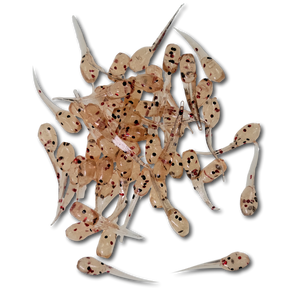



Jiggin' Johnsons' Big Time Bug 3.25" Soft Plastic Creature Bait
$4.99
(No reviews yet)

Write a Review

Jiggin' Johnsons' Big Time Bug 3.25" Soft Plastic Creature Bait
On-the-water overview (demo copy)
This is placeholder text for Jiggin’ Johnson’s new template shell.
Once we’re happy with the layout and behavior, we’ll plug in real product
descriptions, rigging tips, and JJ-specific language.
Specs & build (demo copy)
Specs & build (demo copy)
Care & storage (demo copy)
Care & storage (demo copy)
Best ways to fish it (demo)
Swim Jig Trailer
Shallow grass, slow roll
Texas Rig
Pitching to cover
Ball Jig Head
Dragging sand or rock
Split Shot
Natural subtle glides
Arky/Flipping
When/Where: Wood, reeds, dock posts, laydowns, and any “tight target” where you need a bait that lands quiet and commits to the strike zone.
How: Thread the Big Time Bug on a compact flipping jig (or an arky-style jig) as a trailer. Let it fall on semi-slack, then pop it once and let it glide back down. If bites are short, trim the trailer a touch to keep the profile compact.
Why: It gives you a bulky “meat-and-claws” silhouette without feeling oversized—great for getting attention in cover while still landing clean hooksets.
Tuning: If you want a faster fall, go to a heavier jig. If you want more hang-time, downsize the trailer trim and slow your pops.
Bladed Jig
When/Where: Grass edges, shallow flats, and any time you want vibration but still want a “creature” body behind the blade.
How: Rig as a trailer and start with a steady retrieve. Add brief pauses when you hit cover; let it fall a foot or two, then restart.
Why: The compact creature shape adds bulk and slows the fall on pauses, keeping the bait in the zone longer when fish are tracking.
Tuning: If it rolls at speed, trim a little off the front to seat it tighter to the head.
Buzz Bait
When/Where: Low light, wind chop, shallow cover lines—anywhere a topwater “commotion” bite is on the menu.
How: Use as a trailer to add lift and slow the sink between starts. Begin reeling the moment it lands, and keep your rod tip up to keep it on top.
Why: A little extra body helps the bait plane sooner and stay up through minor cover contact.
Tuning: If you want it to start faster, shorten the trailer slightly to reduce drag.
Finesse/Compact Jig
When/Where: Clear-to-stained water, pressured fish, or when you want a “small meal” that still looks alive sitting still.
How: Thread it on a compact jig and fish it like a bottom bait—short hops, long pauses, and tiny drags around hard edges.
Why: It keeps the jig looking substantial without needing aggressive movement. Great for “do less” days.
Tuning: Pause longer than you think. A lot of bites happen while it’s parked.
Football Jig
When/Where: Rock, shell, and firm-bottom transitions—especially on points and offshore humps.
How: Trailer it up and drag with occasional rod-tip “ticks.” When you feel it hit a rock, stop and let it settle before moving again.
Why: The creature profile pairs well with bottom contact—looks like a forager scooting and pausing along the bottom.
Tuning: If you’re hanging up, lighten the head or switch to a more streamlined jig shape.
Spinnerbait
When/Where: Windy banks, scattered cover, and anytime you want flash but also want a bigger “target” behind the blades.
How: Use as a trailer and slow roll around cover. Speed up briefly to clear grass, then settle back into a steady pace.
Why: Adds bulk and a “presence” that helps fish commit, especially when they’re swiping at blades.
Tuning: If it over-lifts, shorten the trailer slightly to reduce drag.
Swim Jig
When/Where: Grass lanes, reeds, and shallow cover where you want a subtle, steady presentation that still looks like food.
How: Rig as a trailer and swim it just fast enough to tick cover. Add quick “kill” pauses to let it glide and drop.
Why: Creature-style bulk plus a controlled fall makes it a solid option when fish want something different than a straight paddletail look.
Tuning: Keep the jig compact. A smaller head + this trailer stays clean through grass.
Underspin
When/Where: Around baitfish and along edges where you want a hint of flash but still want a “forage” body behind it.
How: Thread it straight and retrieve smoothly near the bottom or along cover edges. Add a gentle lift every few cranks.
Why: The flash calls them in; the creature profile gives them something they’ll actually eat once they get close.
Tuning: Make sure it tracks straight—rigging alignment matters more on this one.
Carolina Rig
When/Where: Flats, ledges, and transition areas when you need to cover water but still keep a bait crawling behind the weight.
How: Drag slowly with occasional pauses. When the rig hits something, stop and let the bait float and settle behind it.
Why: A creature profile shines here—it looks natural just “doing nothing” on the pause.
Tuning: Longer leader = more glide. Shorter leader = tighter, more precise bottom contact.
Punching Rig
When/Where: Thick mats and heavy vegetation where you need a compact bait that slips through and looks alive once it lands.
How: Peg your weight, rig the bait straight, and punch through. Let it hit bottom, shake once or twice, then reel up and hit the next hole.
Why: This profile gives a “big bite” look without being too long—helpful for clean penetration and quick, repeatable pitches.
Tuning: Keep it tight and straight. Any bend in the rigging reduces penetration and increases hang-ups.
Texas Rig
When/Where: The anytime, anywhere workhorse—pads, wood, docks, rocks, and edges.
How: Rig weedless and fish it with short hops, slow drags, or “pitch-and-soak.” In cover, let it fall, shake lightly, then move it a foot and repeat.
Why: Creature baits excel when you can put them in places other presentations can’t live—this is the cleanest way to do it.
Tuning: If you’re missing bites, slow down and lengthen your pause before moving it again.
Weighted Swimbait Hook
When/Where: Sparse grass, shallow cover, and edges where you want a weedless “swim-and-glide” creature look.
How: Rig straight and swim it like a soft swimbait—steady retrieve with small rod-tip pulses. Let it glide on brief pauses.
Why: It’s a great “different” look when fish have seen endless paddletails—still swimable, still weedless, more foraging vibe.
Tuning: If it tracks off, re-rig until perfectly straight—this setup is picky.