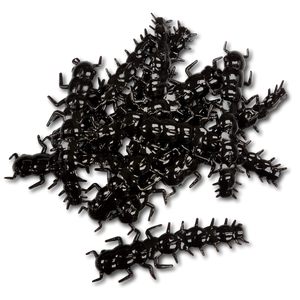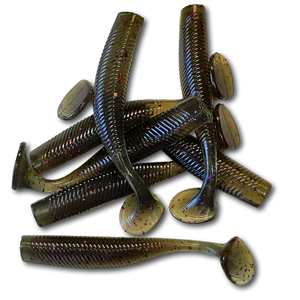

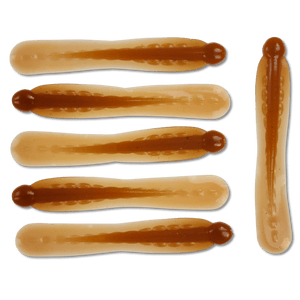
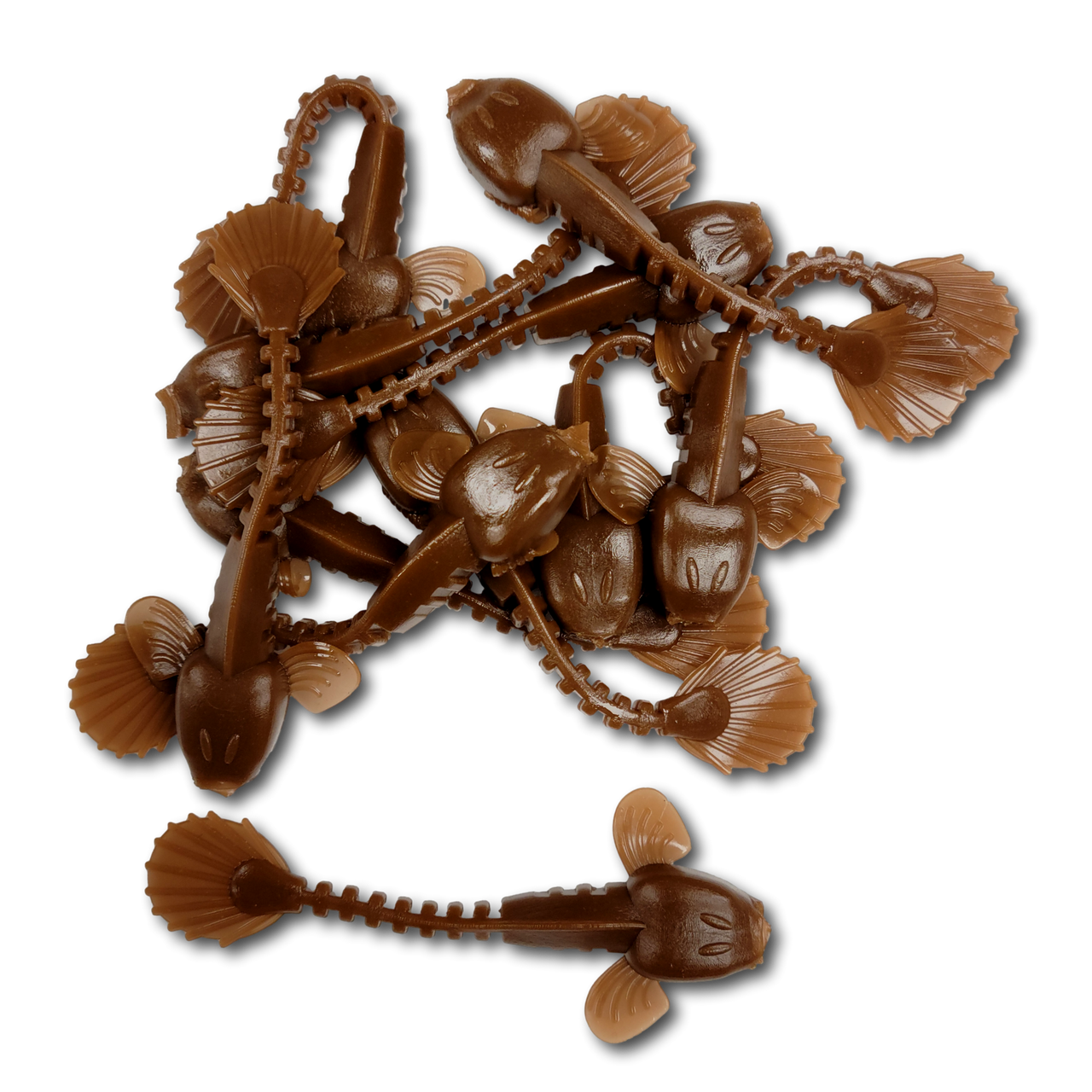
Liquid Baits 3.75" River Punk Garlic Goby Soft Plastic Bait
$6.99
(No reviews yet)

Write a Review
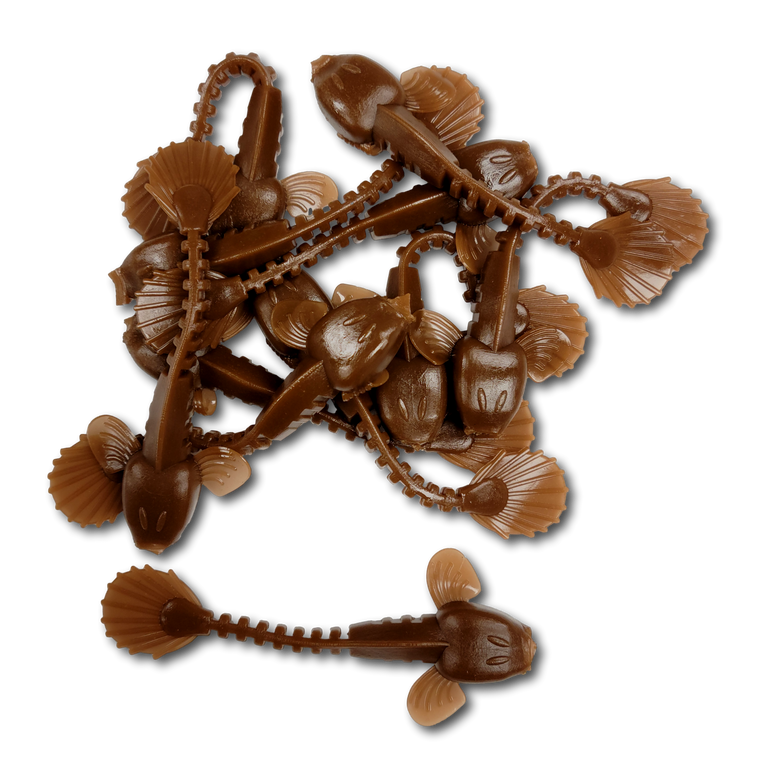
Liquid Baits 3.75" River Punk Garlic Goby Soft Plastic Bait
On-the-water overview (demo copy)
This is placeholder text for Jiggin’ Johnson’s new template shell.
Once we’re happy with the layout and behavior, we’ll plug in real product
descriptions, rigging tips, and JJ-specific language.
Specs & build (demo copy)
Specs & build (demo copy)
Care & storage (demo copy)
Care & storage (demo copy)
Best ways to fish it (demo)
Swim Jig Trailer
Shallow grass, slow roll
Texas Rig
Pitching to cover
Ball Jig Head
Dragging sand or rock
Split Shot
Natural subtle glides
The Liquid Baits 3.75" Garlic Goby is built to mimic a prime Great Lakes forage profile, with a garlic/willowcat scent that helps fish commit—especially when you’re dragging, hovering, or slow-rolling near bottom. When/Where: Over rock, gravel, and scattered grass where baitfish and gobies live—excellent on edges, breaks, and mid-depth flats. How: Thread it straight so the belly tracks true. Slow-roll just above bottom, then add short “kill” pauses to let it glide back down. Why: The blade gives you a small flash cue while the goby body sells the “easy meal” look—money when fish want subtle movement but still need help finding it. Tuning: If it rolls, re-thread and make sure the hook exits dead-center. A slightly lighter head often improves glide and reduces roll. When/Where: Stained water, wind, and low light—especially around sparse weeds, riprap, and shallow breaks where bass/walleye pin bait. How: Use as a compact trailer to bulk the profile without overpowering the action. Keep retrieves steady with occasional speed bursts. Why: You keep the thump/flash of the spinnerbait, but the goby silhouette reads “real” when fish are tracking from behind. When/Where: Breaklines, rock patches, transitions, and tight schools—when you need to hold it in place and let the scent do work. How: Nose-hook for maximum quiver, or light Tex-pose if you’re around rock fingers and snaggy stuff. Shake slack, not the weight. Why: Gobies live tight to bottom; drop shotting keeps the bait hovering right in their face while the garlic/willowcat scent helps convert lookers into biters. Tuning: If fish are nipping, shorten the leader so it rides closer to bottom; if they’re cruising higher, extend it and go subtler with movement. When/Where: The “do-everything” option for walleye and smallmouth—rock, sand, current seams, and edges. How: Drag and pause, then add short hops. Keep bottom contact, but don’t overwork it—let the bait glide and settle. Why: A goby profile on a jig head is a bottom-forage match that’s easy for fish to track and inhale. This is the fastest path to “search + trigger.” Tuning: If you’re snagging, go slightly lighter and lift/hover more; if you’re losing bottom in wind/current, step up just enough to maintain contact. When/Where: Around cover—wood, thicker weeds, and rock where a jig head hangs too often. How: Rig straight, keep the hook point barely skin-hooked, and crawl it like a bottom feeder. Pause it often. Why: You get a snag-resistant goby look that can be worked through the messy stuff where big fish live. Tuning: If it’s sliding under fish, add slightly more weight or switch to shorter drags with longer dead-sticks. When/Where: Shallow-to-mid edges, weedlines, and riprap where you want a clean swim without a jig-head “chin.” How: Keep it centered and swim it low, occasionally ticking bottom or the tops of rock/grass. Why: A weedless goby swimmer is a strong “natural forage” look when fish are roaming and you need coverage without constant hangups.Underspin
Spinnerbait
Drop Shot
Standard (Ball) Jig Head
Texas Rig
Weighted Swimbait Hook