


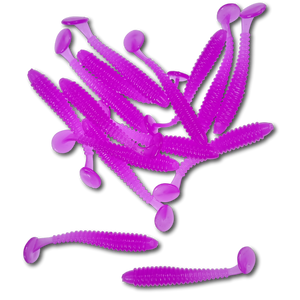

Jiggin' Johnsons' Twin Paddle Tail Grub 2.0" Soft Plastic Minnow Bait
$3.99
(No reviews yet)

Write a Review

Jiggin' Johnsons' Twin Paddle Tail Grub 2.0" Soft Plastic Minnow Bait
On-the-water overview (demo copy)
This is placeholder text for Jiggin’ Johnson’s new template shell.
Once we’re happy with the layout and behavior, we’ll plug in real product
descriptions, rigging tips, and JJ-specific language.
Specs & build (demo copy)
Specs & build (demo copy)
Care & storage (demo copy)
Care & storage (demo copy)
Best ways to fish it (demo)
Swim Jig Trailer
Shallow grass, slow roll
Texas Rig
Pitching to cover
Ball Jig Head
Dragging sand or rock
Split Shot
Natural subtle glides
Underspin
When/Where: When fish are roaming edges or suspended and you need a compact swimmer that’s easy to track—weedline outsides, basin edges, bridge corners, and rock/weed transitions.
How: Thread it perfectly straight so both paddles kick evenly. Slow roll first, then mix in brief speed-ups and short pauses to trigger followers.
Why: Blade flash draws attention, and the twin paddles keep swimming even at crawl speeds—big “signal” without a big profile.
Tuning: If it rolls or one tail looks lazy, re-rig centered and reduce speed before changing anything else.
Drop Shot
When/Where: Tough bites, cold fronts, or anytime fish are inspecting but not chasing—especially when you can see/mark them holding just off bottom.
How: Nose-hook for maximum freedom, or lightly thread to keep it pinned in current. Use tiny shakes and long pauses so the paddles quiver without dragging the bait away.
Why: You can keep a “swim look” in place. The twin tails give movement from minimal input, so you stay subtle without going dead.
Tuning: Short bites usually mean “too much.” Shorten the leader and calm the shake—let the tails do the talking.
Hover Jig
When/Where: Suspended fish or pressured fish where you want controlled lift-and-drift over sparse cover, along breaks, or above bait.
How: Short casts, small pops, then follow it down on semi-slack. The goal is a hover with a little tail pulse—not big hops.
Why: Twin paddles add a subtle swim on the fall and keep the bait “alive” on the pause.
Tuning: If it drops too fast, lighten the head or shorten your pops—keep it drifting, not plunging.
Standard (Ball) Jig Head
When/Where: Your everyday panfish and walleye setup—docks, weed pockets, rocks, current seams, or under a float.
How: Thread straight. Swim it just fast enough to keep both tails working, or use lift-drop with controlled falls when fish are holding tight.
Why: Simple, consistent, and easy to repeat. The twin paddles create a little more “feel” than a straight tail without making the bait bulky.
Tuning: If fish follow, stop it and let it pendulum—many bites happen on the stall.
Tip: the twin paddles shine at “barely moving” speeds—if you can just feel it thumping, you’re usually right.


