


Jiggin' Johnsons' Ripswim 2.0" Soft Plastic Paddle Tail Bait
$3.99
(No reviews yet)

Write a Review
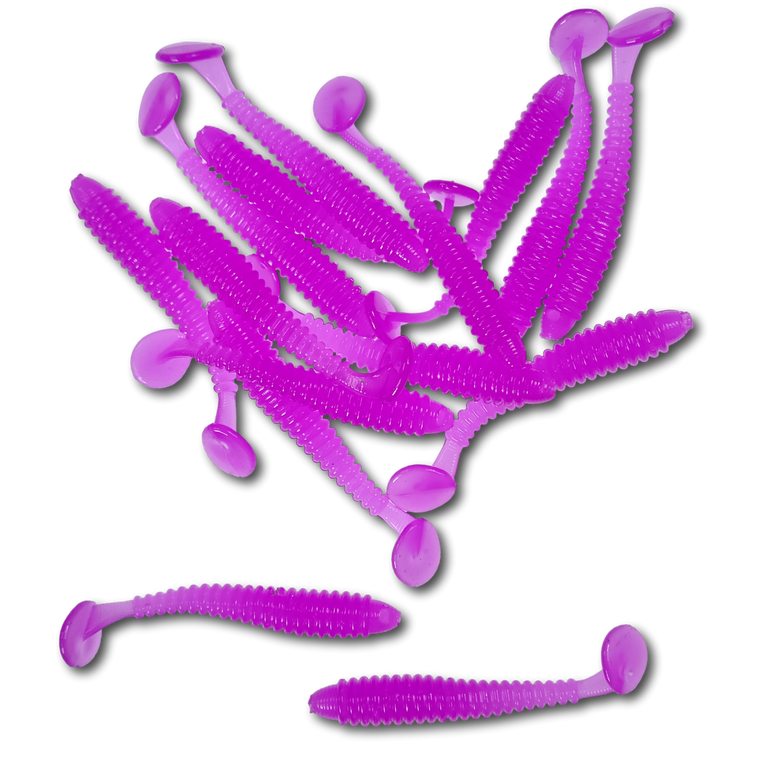
Jiggin' Johnsons' Ripswim 2.0" Soft Plastic Paddle Tail Bait
On-the-water overview (demo copy)
This is placeholder text for Jiggin’ Johnson’s new template shell.
Once we’re happy with the layout and behavior, we’ll plug in real product
descriptions, rigging tips, and JJ-specific language.
Specs & build (demo copy)
Specs & build (demo copy)
Care & storage (demo copy)
Care & storage (demo copy)
Best ways to fish it (demo)
Swim Jig Trailer
Shallow grass, slow roll
Texas Rig
Pitching to cover
Ball Jig Head
Dragging sand or rock
Split Shot
Natural subtle glides
Underspin
When/Where: Roaming fish, suspended fish, or any time you need a compact swimmer that’s easy to locate—weedline outsides, basin edges, points, and subtle rock/weed transitions.
How: Rig straight so the tail tracks clean. Slow-roll first; then add short pauses or tiny speed-ups when you feel a follower.
Why: Flash pulls them in, and the paddle tail keeps a steady “swim read” even at slower speeds—great when you want movement without upsizing your bait.
Tuning: If it rolls, re-thread dead-center and slow down—small swimbaits exaggerate tiny rigging errors.
Drop Shot
When/Where: Cold fronts, pressured fish, or “lookers” that won’t chase—especially when you can mark fish holding just off bottom or along the first break.
How: Nose-hook for max freedom, or lightly thread if you want it to stay pinned in current. Use tiny shakes and long pauses so the tail quivers without drifting away.
Why: You get a swimming profile in place—tail movement without big displacement.
Tuning: Short bites usually mean you’re moving it too much. Calm the shake and shorten the leader.
Hover Jig
When/Where: Suspended or finicky fish where “lift + drift” beats “hop + crash”—over sparse cover, along breaks, and above bait.
How: Short casts, small pops, then follow it down on semi-slack. Let the tail swim on the fall and keep the pause honest.
Why: It looks like a baitfish both moving and stopped—perfect for fish that want something real but not aggressive.
Tuning: If it drops too fast, lighten the head before changing cadence.
Standard (Ball) Jig Head
When/Where: Everyday panfish and walleye fishing—docks, weeds, rock edges, current seams, or under a float.
How: Swim it just fast enough to keep the tail working, or use lift-drop and let it pendulum back on controlled slack.
Why: Simple, repeatable, and fast to dial in. The 2.0" size gives a little more presence while staying “finesse-friendly.”
Tuning: If fish follow, pause—many bites happen on the stall.
Weighted Swimbait Hook
When/Where: Around grass lanes, brush edges, and cover where you want a cleaner swim with fewer snags.
How: Rig centered. Swim steady and use gentle rod-tip turns to change direction without blowing out the bait.
Why: Keeps the profile swimming through cover while protecting the point—handy when fish are tucked tight.
Tuning: If you’re missing bites, slow down and make sure your hook gap matches the body thickness.
Tip: if the tail is barely working, you’re usually at the right speed. When in doubt, slow down—then add a pause.