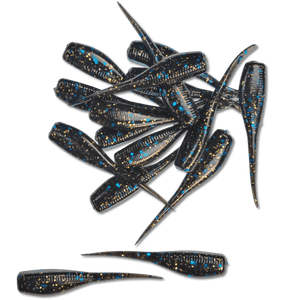



Jiggin' Johnsons' Paddle Tail Minnah 1.75" Soft Plastic Bait
$3.99
(No reviews yet)

Write a Review

Jiggin' Johnsons' Paddle Tail Minnah 1.75" Soft Plastic Bait
On-the-water overview (demo copy)
This is placeholder text for Jiggin’ Johnson’s new template shell.
Once we’re happy with the layout and behavior, we’ll plug in real product
descriptions, rigging tips, and JJ-specific language.
Specs & build (demo copy)
Specs & build (demo copy)
Care & storage (demo copy)
Care & storage (demo copy)
Best ways to fish it (demo)
Swim Jig Trailer
Shallow grass, slow roll
Texas Rig
Pitching to cover
Ball Jig Head
Dragging sand or rock
Split Shot
Natural subtle glides
Underspin
When/Where: When fish are roaming or suspended and you need a compact swimmer that “shows up” without looking big—weedline outsides, basin edges, bridge corners, and rock/weed transitions.
How: Thread it dead-straight so the paddle tail tracks true. Start with a slow, steady retrieve; add tiny speed-ups or short pauses to trigger followers.
Why: The blade helps fish find it; the paddle tail keeps it swimming even at crawl speeds. Great when you want movement without a big profile.
Tuning: If it rolls, re-rig centered and slow down—rolling is almost always a “not perfectly straight” problem at this size.
Drop Shot
When/Where: Tough bites, cold fronts, or anytime fish are inspecting but not committing—especially when you’re marking them and they won’t chase.
How: Nose-hook for maximum freedom, or lightly thread if you want a bit more control. Use gentle shakes and long pauses so the tail quivers without big displacement.
Why: You can keep a “swim look” in place. The tail does work on small inputs, and the bait stays in the strike window longer.
Tuning: If bites are short, shorten the leader and calm the shake—let the tail move, not the whole rig.
Hover Jig
When/Where: Suspended fish or pressured fish where you want controlled lift-and-drift along breaks, over sparse cover, or above bait.
How: Short casts, small pops, then follow it down on semi-slack. The goal is “hover” not “hop.”
Why: The paddle tail gives a subtle swim on the fall, and it still looks like a baitfish when you stop it.
Tuning: Keep pops short; if it’s dropping too fast, lighten the head before you change your cadence.
Standard (Ball) Jig Head
When/Where: The everyday panfish and walleye setup—docks, weed pockets, rocks, current seams, or under a float.
How: Thread straight. Swim it just fast enough to keep the tail working, or use lift-drop with controlled falls when fish are holding tight.
Why: Simple + effective. You get a clean little swimmer that still has “bite appeal” when you slow it way down.
Tuning: If fish follow, pause and let it pendulum—often the bite comes on the stop.
Weighted Swimbait Hook
When/Where: Around grass, brush edges, and cover where you want a cleaner, snag-resistant swim—especially when you’re “threading lanes” through vegetation.
How: Rig perfectly centered. Swim it steadily and use gentle rod-tip turns to make it glide/track without blowing out.
Why: Keeps the bait swimming through cover while protecting the point, and the tail keeps working even at slower speeds.
Tuning: If you’re missing bites, downsize the hook gap and slow your retrieve so fish get it deeper.
Tip: this bait shines when you fish it slower than you think you should—if the tail is barely working, you’re usually in the right neighborhood.