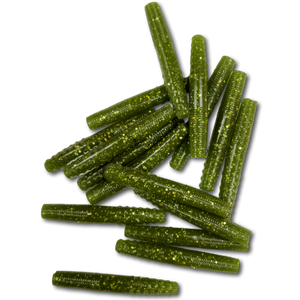



Jiggin' Johnsons' Micro Stick 2" Finesse Soft Plastic Bait
$3.99
(No reviews yet)

Write a Review

Jiggin' Johnsons' Micro Stick 2" Finesse Soft Plastic Bait
On-the-water overview (demo copy)
This is placeholder text for Jiggin’ Johnson’s new template shell.
Once we’re happy with the layout and behavior, we’ll plug in real product
descriptions, rigging tips, and JJ-specific language.
Specs & build (demo copy)
Specs & build (demo copy)
Care & storage (demo copy)
Care & storage (demo copy)
Best ways to fish it (demo)
Swim Jig Trailer
Shallow grass, slow roll
Texas Rig
Pitching to cover
Ball Jig Head
Dragging sand or rock
Split Shot
Natural subtle glides
Micro Stick 2" is a tiny, do-almost-anything finesse stick: it’s small enough to look “right” to panfish and trout, but still a legit downsizing tool for pressured bass. Think subtle fall, minimal effort, maximum bites. When & where: Around docks, reeds, sparse weeds, brush edges, and anywhere fish want a small snack but still react to a “jig silhouette.” How: Thread the Micro Stick straight as a short, subtle trailer. Swim it slowly, then pause—let the bait do the talking on the fall. Why: Micro profile keeps the jig honest when fish are short-striking full-size trailers. Tuning: If you want more glide, shorten the trailer by trimming a little off the nose so it sits tighter to the jig head. When & where: Vertical on sonar for crappie/perch; along breaks for smallmouth; or under the ice when fish are “there… but not committing.” How: Nose-hook for maximum natural quiver, or light Texas-style if you’re around cover. Keep the shake tiny—think “pulse,” not “dance.” Why: The bait stays in the strike window without looking busy. Tuning: If bites are light, shorten the leader so the bait sits closer to the weight (more controlled, less wandering). When & where: Clear water, cruising fish, or suspended schools where a pure “bottom bait” won’t get seen. How: Rig straight so it tracks true. Make short casts, let it pendulum, then subtly lift-drop to keep it hovering. Why: A micro profile that can live mid-column without screaming “big meal.” Tuning: If it rolls, re-thread perfectly straight—micro baits exaggerate small rigging mistakes. When & where: Gravel, sand, sparse rock, and edges where you want a “little thing” that still stands out. How: Thread on a small mushroom head. Drag → pause → tiny shake. Let it sit—bites often happen when nothing is happening. Why: The short stick profile looks like an easy snack and stays non-threatening in pressured water. Tuning: If you’re snagging, lighten the head and keep the rod higher to “float” it over bottom clutter. When & where: Docks, shade lines, isolated cover, or bluebird days when fish won’t chase. How: Add a tiny nail weight to one end and hook through the mid-section. Hop it in place and let it tip over naturally. Why: You get a controlled fall and subtle “stand up” posture without upsizing the bait. Tuning: If it falls too fast, use less weight or move the hook slightly toward the unweighted end for more glide. When & where: The everyday “get bit” rig for panfish, crappie, perch, and trout—open water or ice. How: Thread straight and fish it like a micro swimbait: slow swim, gentle hops, or vertical jig with short lifts. Why: Simple + effective. The Micro Stick gives you a clean profile that doesn’t overwhelm small mouths. Tuning: In cold water, slow down and shorten your lift—micro baits shine when you barely move them. When & where: Weeds, brush, and snaggy cover where an exposed hook gets punished. How: Use a small hook and keep it straight. Pitch, let it settle, then gently lift and re-settle. Why: You get a finesse stick profile with the freedom to fish it “where bites live.” Tuning: If it spins, your hook is off-center—re-rig until it hangs perfectly neutral. When & where: Steep banks, seawalls, and dock corners where a slow fall is the whole point. How: Hook through the middle and let it flutter down. Add tiny twitches to keep it “alive” without moving it far. Why: The shortest possible “wacky” presentation—great when fish want finesse but still react to fall. Tuning: If you want more hang time, go lighter and watch your line for ticks on the fall. When & where: Calm water, shallow cover, and “followers” that won’t commit to bigger baits. How: Hook mid-body and fish it weightless. Cast, let it fall on slack, then barely shake once or twice. Why: This is the purest expression of what a micro stick does well: subtle shimmy + easy calories. Tuning: If bluegill are nipping ends, downsize hook gap and keep the bait shorter (trim a little off one end). When & where: Ultra-shallow flats, backwaters, and any time fish are spooky or suspended just under the surface. How: Light hook, long cast, slack-line fall. Let it do its thing, then slow swim it back with pauses. Why: The smallest, softest “no pressure” look you can give a fish. Tuning: If you need a touch more casting distance without ruining the fall, add the tiniest possible weight and keep it unpegged.Finesse/Compact Jig
Drop Shot
Hover Jig
Ned Rig
Neko Rig
Standard (Ball) Jig Head
Texas Rig
Wacky Jig Head
Wacky Rig
Weightless Rig