



Jiggin' Johnsons' Legend 7.5" Soft Plastic Ribbontail Worm Bait
$4.99
(No reviews yet)

Write a Review
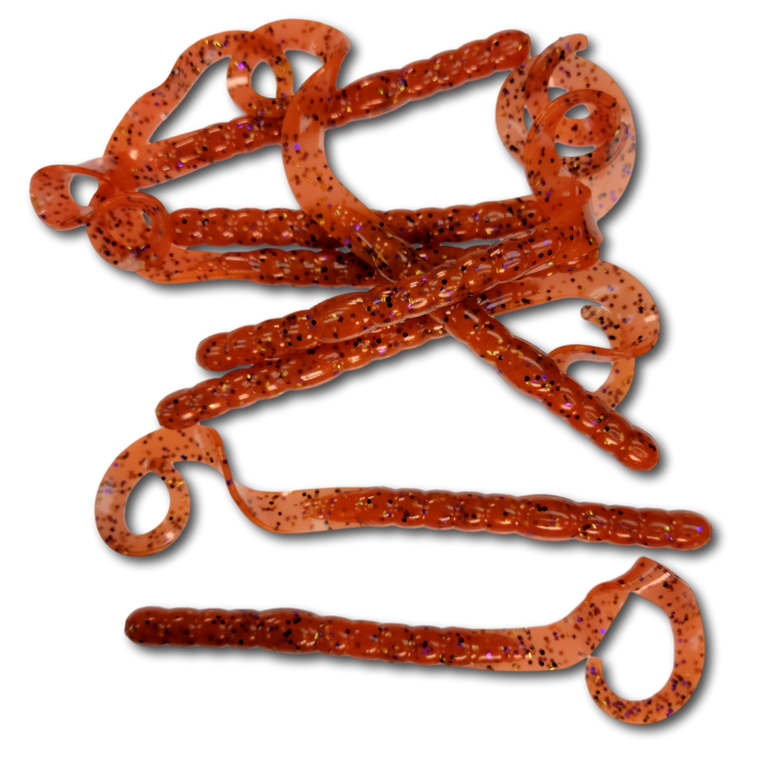
Jiggin' Johnsons' Legend 7.5" Soft Plastic Ribbontail Worm Bait
On-the-water overview (demo copy)
This is placeholder text for Jiggin’ Johnson’s new template shell.
Once we’re happy with the layout and behavior, we’ll plug in real product
descriptions, rigging tips, and JJ-specific language.
Specs & build (demo copy)
Specs & build (demo copy)
Care & storage (demo copy)
Care & storage (demo copy)
Best ways to fish it (demo)
Swim Jig Trailer
Shallow grass, slow roll
Texas Rig
Pitching to cover
Ball Jig Head
Dragging sand or rock
Split Shot
Natural subtle glides
Carolina Rig
When/Where: Long points, ledges, and expansive flats when fish are roaming but tight to bottom.
How: Drag the weight steadily and let the ribbed body glide behind it. Pause occasionally so the ribbon tail can lift and coil naturally.
Why: The long tail keeps moving even at slow speeds, giving you maximum “look” without speeding up your presentation.
Tuning: Longer leader for more glide and separation; shorter leader for tighter bottom tracking.
Texas Rig
When/Where: Classic worm water—edges of grass, laydowns, docks, and summer structure.
How: Cast, let it fall on semi-slack line, then lift and reel down. The ribbon tail pulses on the fall and curls on the pause.
Why: The ribbed body holds water and the tail activates easily, so you get action at slow speeds and during subtle movements.
Tuning: Peg your weight for tighter cover; leave it unpegged for a more natural fall in open areas.
Punching Rig
When/Where: Thicker vegetation when you want a long profile that still moves once it breaks through the canopy.
How: Punch through, let it fall to bottom, then give small lifts and short drags.
Why: After the initial drop, the ribbon tail continues to wave subtly, triggering bites from fish tucked under cover.
Tuning: Keep the body straight and streamlined so it slips through cleanly.
Weightless Rig
When/Where: Shallow cover, calm conditions, or when fish are suspended just under the surface.
How: Let it fall naturally and twitch lightly. The tail coils and uncoils as it sinks.
Why: A slow, natural fall shows off the full ribbon tail action and keeps the bait in the strike zone longer.
Tuning: Watch your line—many bites happen as it’s falling.


