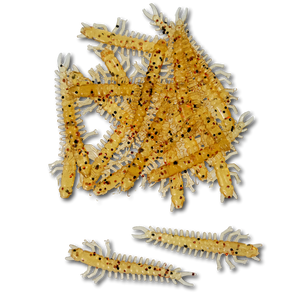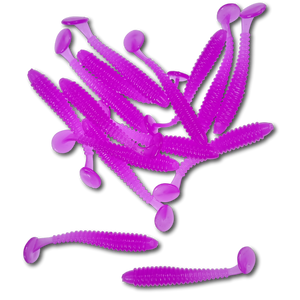



Jiggin' Johnsons' Bayou Bug 2.0" Soft Plastic Creature Bait
$3.99
(No reviews yet)

Write a Review

Jiggin' Johnsons' Bayou Bug 2.0" Soft Plastic Creature Bait
On-the-water overview (demo copy)
This is placeholder text for Jiggin’ Johnson’s new template shell.
Once we’re happy with the layout and behavior, we’ll plug in real product
descriptions, rigging tips, and JJ-specific language.
Specs & build (demo copy)
Specs & build (demo copy)
Care & storage (demo copy)
Care & storage (demo copy)
Best ways to fish it (demo)
Swim Jig Trailer
Shallow grass, slow roll
Texas Rig
Pitching to cover
Ball Jig Head
Dragging sand or rock
Split Shot
Natural subtle glides
Ned Rig
When/Where: Clear-to-stained water, rock, sand, and sparse grass when you want bottom contact with a “bug” profile instead of a stick bait.
How: Thread straight on a Ned head and use short drags, tiny shakes, and frequent pauses. Let the appendages settle and “breathe” on the stop.
Why: Creature shape gives more presence than a stick, but the 2.0" size stays finesse-friendly and doesn’t spook pressured fish.
Tuning: If you’re snagging, lighten the head and shorten your drags—more pauses, less pulling.
Texas Rig
When/Where: Weed edges, reeds, brush, docks, and any cover where you need a snag-resistant “pitch and soak” bait.
How: Rig it straight and compact. Pitch to targets, let it fall on slack, then hop once or twice and dead-stick it.
Why: The little bug profile slips through cover and gets bites from fish that ignore bigger creatures.
Tuning: If fish are nipping, slow the hops and extend the pause—most commits happen while it’s sitting.
Standard (Ball) Jig Head
When/Where: Panfish and walleye around weeds and rocks when a “bug” look outperforms a straight minnow.
How: Swim it slow, or lift-drop along the bottom. Keep movements small so the appendages do the work.
Why: Easy to fish and highly forgiving—great for covering targets without overpowering the bite.
Tuning: If you’re getting hung up, go lighter and let it glide down instead of punching into cracks.
Tip: if the bite feels “pecky,” stop moving it. This style of bait gets a surprising number of real eats on the dead-stick.