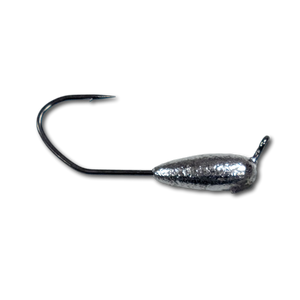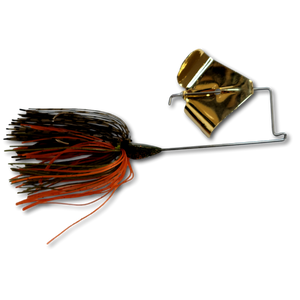

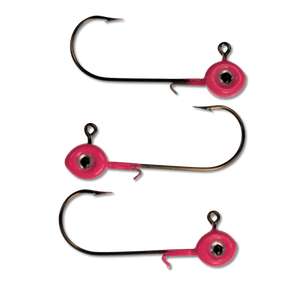

Dougs Custom Lures Go-To Underspin
$6.99
(No reviews yet)

Write a Review
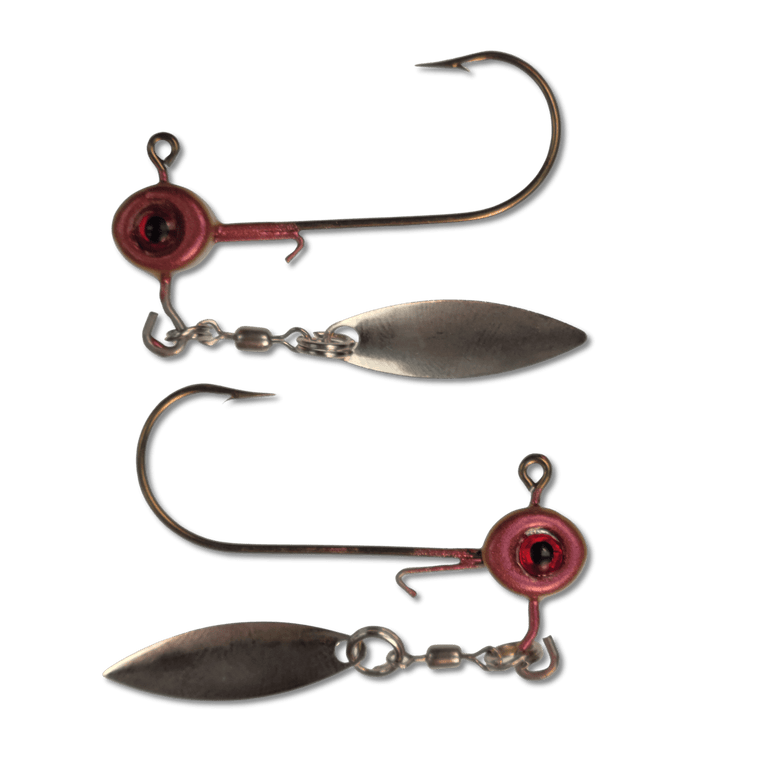
Dougs Custom Lures Go-To Underspin
On-the-water overview (demo copy)
This is placeholder text for Jiggin’ Johnson’s new template shell.
Once we’re happy with the layout and behavior, we’ll plug in real product
descriptions, rigging tips, and JJ-specific language.
Specs & build (demo copy)
Specs & build (demo copy)
Care & storage (demo copy)
Care & storage (demo copy)
Best ways to fish it (demo)
Swim Jig Trailer
Shallow grass, slow roll
Texas Rig
Pitching to cover
Ball Jig Head
Dragging sand or rock
Split Shot
Natural subtle glides
The Go-To Underspin is built for horizontal swimming presentations. The compact round head cuts through the water column cleanly while the willow blade below pulses flash and vibration on every retrieve. Match it with the right soft plastic and it covers everything from open-water bass to walleye over flats. When & Where: Open water, points, weed edges, suspended fish — anywhere you want a baitfish profile moving at mid to slow speed. Early morning and evening transitions are prime, but an underspin swimbait works all day in clear to lightly stained conditions. How: Thread a 2.5"–4" paddle tail or shad body onto the hook so it rides straight. Cast past your target and retrieve at a steady medium pace, keeping the bait just above cover. Vary your speed slightly — the blade will flutter on any hesitation. Why: The willow blade under the head adds a secondary flash point that amplifies the paddle tail's action. Together they mimic a small shad or perch fry struggling near the surface or through the column. Tuning: Slow your retrieve and let the blade barely tick for negative-pressure fish. Speed up to trigger reaction strikes along break lines. Shop shad & paddle tail profiles → When & Where: One of the most versatile setups on this list. Grubs on an underspin produce in cold fronts, post-spawn lulls, and any time bass or walleye are keying on small forage. Works equally well from ice-out through fall. How: Rig a 3"–4" curly tail grub straight on the hook. The tail pulses independently of the blade, creating two separate action triggers. Fish it slow and steady just off bottom, or bump it along a gravel flat. Why: The grub tail and the spinning blade work at different frequencies, which produces a slightly erratic, multi-signal presentation that's hard for neutral fish to ignore. Tuning: Lift-drop retrieve along a break can trigger trailing fish into committing. Shop grub profiles → When & Where: When fish are actively feeding along weed lines, submerged timber, or over shallow flats, pairing the Go-To Underspin with a swimbait or grub body gives you a clean mid-column runner that doesn't foul in sparse grass. How: Keep the bait parallel to cover on a steady retrieve. The compact head slides through light vegetation better than a bulkier swim jig. Use braid or fluorocarbon for direct feel. Why: The wire bait keeper holds soft plastics securely through multiple fish without re-rigging, keeping you in the water longer. When & Where: Clear-water situations where finesse matters. Schooling fish on baitfish in open water, or whenever you see fish blowing up but missing reaction baits. How: Nose-hook a 3.5"–4.5" fluke or soft jerkbait. Let it sink a beat after the cast, then retrieve with occasional twitches. The blade provides baseline flash on straight segments while the fluke kicks and glides on pauses. Why: The fluke's side-to-side dart looks nothing like a swimbait, which can be the difference on clear-water lakes where fish see a lot of paddle tails. Shop fluke profiles → When & Where: Walleye and bass in deeper, cooler water — especially on natural lakes where leeches are abundant forage. Late spring through early fall evening bites. How: Rig a 2.5"–4.25" leech-style soft plastic onto the hook. Fish it on a slow, near-bottom crawl or a slow lift-and-flutter retrieve. The blade catches light even at low speed. Why: Leech profiles match a high-confidence forage item for walleye and larger panfish. The underspin adds just enough flash to draw attention without over-complicating the presentation. Shop leech profiles → When & Where: Tough bites, clear water, finesse situations where a bulkier profile spooks fish. Also a solid choice for trout in rivers and lakes. How: Rig a 4"–4.5" straight or finesse worm Texas-style on the hook. Slow-roll it just above bottom structure. The minimal tail action keeps the blade as the primary trigger. Why: Sometimes a smaller, simpler trailer lets the blade do the talking. Trout in particular respond well to a slim profile with flash. Shop worm profiles → When & Where: A more specialized pairing for pike, larger bass, and walleye targeting larger baitfish imitations. Works well in stained water where bulk and movement matter. How: Rig a willowcat or larger stick-style bait on the hook and retrieve at medium speed. The longer body profile gives the bait a more prominent silhouette that the blade's flash draws predators to from a distance. Why: Pike and larger predators key on size. The combination of a bigger profile plus spinning blade creates a large-forage trigger that a simple jig head can't match. Shop willowcat profiles →Swimbait / Paddle Tail
Curly Tail Grub
Swim Jig / Underspin Pairing
Fluke / Soft Jerkbait
Leech / Ribbon Body
Finesse Worm / Straight Tail
Willowcat / Soft Stickbait