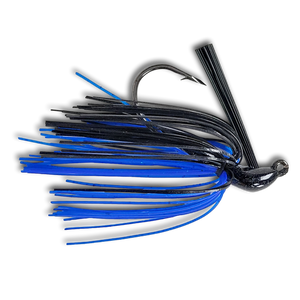

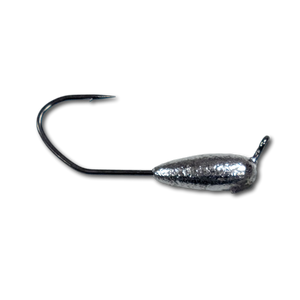

Dougs Custom Lures Ball Head Jig
$5.99
(No reviews yet)

Write a Review

Dougs Custom Lures Ball Head Jig
On-the-water overview (demo copy)
This is placeholder text for Jiggin’ Johnson’s new template shell.
Once we’re happy with the layout and behavior, we’ll plug in real product
descriptions, rigging tips, and JJ-specific language.
Specs & build (demo copy)
Specs & build (demo copy)
Care & storage (demo copy)
Care & storage (demo copy)
Best ways to fish it (demo)
Swim Jig Trailer
Shallow grass, slow roll
Texas Rig
Pitching to cover
Ball Jig Head
Dragging sand or rock
Split Shot
Natural subtle glides
Shad & Paddle Tails
When/Where: Open water, points, ledges, and flats where bass, walleye, and pike are chasing baitfish. Excels when fish are actively feeding and you want to cover water efficiently.
How: Thread the paddle tail straight on the hook so it tracks true. Swim it at a consistent speed just above the bottom or through the middle of the water column — let the tail's kick do the work. Vary retrieve speed until fish react.
Why: The ball head's centered weight gives paddle tails a natural, level swim. It won't pull the nose down or torque the bait off-axis the way some head shapes can.
Tuning: Match weight to depth — 1/8 oz for water under 8 feet, 1/4–3/8 oz for deeper runs or when wind and current are a factor. Browse shad-style soft baits to pair with this head.
Leeches
When/Where: One of the most consistent pairings for Midwest bass and walleye, particularly on natural lakes from late spring through fall. Fish it along soft bottom, over sparse weeds, or on mid-depth flats.
How: Hook through the nose of a leech-style soft plastic so the tail hangs and pulses freely behind the ball head. Work it with a slow drag, subtle lift-and-drop, or a steady crawl just off the bottom. Let it fall on a semi-slack line — walleye especially will pick it up on the pause.
Why: Leeches have a naturally undulating tail that produces action with almost no rod input. The round ball head keeps the presentation low-profile and doesn't interfere with the bait's movement.
Tuning: Start with 3/16 oz for most walleye applications; go lighter (1/8 oz) in shallower water or when fish are lethargic. See leech-style soft baits available on Qwik Fishing.
Craws
When/Where: Rocky structure, rip-rap, gravel points, and hard-bottom flats where crayfish are a primary food source. Largemouth, smallmouth, and pike all respond well to a craw presentation.
How: Thread the craw nose-first and work it slowly along the bottom with short hops and drags — mimic a crayfish scooting away from a predator. Let it sit on the pause; fish often pick it up while it's still.
Why: The ball head sinks cleanly and keeps the claws up and working on the fall. A natural match for any rocky or gravel environment where bass and smallmouth are keying on craws.
Tuning: 1/4–3/8 oz gives enough weight to stay in contact with the bottom on gravel points without moving too fast. Find craw-style soft baits to match this head.
Creature Baits
When/Where: Anywhere bass are holding near cover or structure — docks, laydowns, chunk rock, grass edges. The extra appendages and bulk of a creature bait displace water and create vibration that draws reaction strikes.
How: Thread onto the hook and fish slowly with a drag-and-hop retrieve. The multiple appendages give the bait action even when it's barely moving, making it effective in cold-front or post-spawn conditions when fish are sluggish.
Why: The clean round ball head doesn't add unwanted bulk to an already full-bodied bait — you get the action of the creature without over-complicating the presentation.
Tuning: Go with 1/4 oz or heavier to keep a larger creature bait pinned near the bottom. Lighter heads (1/8–3/16 oz) work well for a slower, more buoyant fall on finesse-sized profiles. Browse creature baits on Qwik Fishing.
Grubs
When/Where: A classic combo — the curly-tail grub on a ball head is one of the oldest and most proven rigs in freshwater fishing. Great for bass, walleye, and panfish in 4–15 feet over any type of bottom.
How: Thread the grub straight so the curly tail hangs down and curls naturally. Swim it steadily, or hop it along the bottom in short bursts. The tail kicks on both the retrieve and the fall.
Why: Grubs are simple, versatile, and effective. The ball head is the natural partner — balanced fall, clean profile, and a hook gap that's ideal for the compact body of most grub-style baits.
Tuning: 1/8 oz is a great all-around grub weight for most situations. Go up to 1/4–3/8 oz in current or deep water. See grub-style soft baits to pair with this head.
Flukes & Soft Jerkbaits
When/Where: Open water and mid-depth structure for bass and pike when fish are chasing shad or other baitfish. Especially effective when fish are active but not committing to slower presentations.
How: Nose-hook the fluke and use a jerk-jerk-pause cadence. The ball head gives just enough weight for casting distance while letting the flat body dart and glide erratically on the pause — that's when most strikes happen.
Why: A weightless fluke is hard to cast and hard to control at depth. A light ball head (1/8–3/16 oz) solves both problems without killing the dart-and-glide action that makes flukes so effective.
Tuning: Keep the weight light — 1/8 oz for shallow water, 3/16 oz to fish a few feet deeper. Heavier heads will kill the glide. Browse fluke and soft jerkbait options on Qwik Fishing.
Hellgrammites
When/Where: Rivers and rocky streams where smallmouth bass and rock bass feed heavily on dobsonfly larvae. Also effective on walleye and largemouth near current breaks and rocky structure.
How: Thread the hellgrammite imitation nose-first and fish it along the bottom in and around rocks — drag it slowly through current seams and let it settle behind boulders and ledges where fish stage to ambush.
Why: Hellgrammites are a high-calorie forage for river smallmouth and walleye. A realistic imitation on a ball head is one of the most natural presentations you can make in rocky current.
Tuning: Use enough weight to stay in contact with the bottom in current — typically 3/16–3/8 oz depending on flow. See hellgrammite-style soft baits available on Qwik Fishing.
Lizards
When/Where: Spring through early summer for largemouth bass, particularly during and after the spawn. Bass are notoriously aggressive toward lizards near bedding areas and shallow cover.
How: Fish slowly along the bottom near spawning flats, dock edges, and laydowns. Drag the lizard with minimal action and let the natural flutter of the legs and tail do the work. Pause frequently.
Why: Lizards trigger a territorial response from bass that few other profiles can match during the spawn. A ball head keeps the presentation simple and lets the bait's action speak for itself.
Tuning: 1/8–1/4 oz is ideal for shallow presentations. Go lighter to slow the fall and keep the bait in the strike zone longer. Find lizard-style soft baits to pair with this head.
Willowcats
When/Where: A versatile multi-appendage profile that works well for bass and walleye around weeds, rocks, and open-water structure. The willowcat's ribbed body and legs create a lot of action for a compact bait.
How: Thread straight and fish with a slow drag, hop, or swim retrieve. The multiple legs kick and flutter throughout the presentation — effective even at very slow speeds, making it a strong choice for tough-bite conditions.
Why: The compact, action-heavy profile pairs well with the ball head's neutral presentation. You get a lot of movement without needing a large, bulky bait.
Tuning: 1/8–1/4 oz covers most situations. Browse willowcat-style soft baits on Qwik Fishing.
Gilleys
When/Where: A baitfish-profile bait that excels for bass, walleye, and pike over open flats, humps, and along weedlines. The gilley's segmented body gives it a lifelike shimmy that works well in clear to slightly stained water.
How: Nose-hook and swim with a steady retrieve or slow roll along the bottom. The body undulates naturally with forward motion — even a slow retrieve produces significant action.
Why: When fish are keying on baitfish and need something more realistic than a paddle tail, the gilley delivers a detailed, natural profile that the ball head complements without disrupting.
Tuning: 3/16–1/4 oz is a reliable starting point for most walleye and bass applications. See gilley-style soft baits available on Qwik Fishing.
Gobies
When/Where: Smallmouth bass and walleye in rivers and rocky Great Lakes structure where round gobies are present. A bottom-crawling presentation that matches a forage fish many predators key on heavily.
How: Thread the goby profile onto the ball head and drag it slowly along the bottom — keep contact with rock and gravel and mimic the short, darting moves of a live goby. Pauses are critical; let the bait settle between moves.
Why: In goby-populated water, smallmouth and walleye have learned to prioritize this forage. A realistic soft plastic imitation on a ball head is one of the most natural presentations you can make.
Tuning: 1/4–3/8 oz keeps you in contact with the bottom in current and around rocks. Check out the Liquid Baits 3.75" Garlic Goby — the garlic scent adds an extra trigger for reluctant biters.
Frogs & Frog-Style Baits
When/Where: Shallow water with vegetation, lily pads, and soft-bottom flats during warmer months when bass and pike are holding near the surface and in the shallows.
How: Thread a soft frog imitation onto the ball head and fish it slow along the bottom edge of vegetation or through sparse weeds. Unlike hollow-body frogs, a soft frog on a ball head is most effective just below the surface or in the first few feet of the water column.
Why: The ball head adds just enough weight to get the bait in front of fish holding below the weedline while keeping the frog profile intact. A solid option when fish are active near shallow cover but not committed to a topwater.
Tuning: Use the lightest weight that lets you cast accurately — 1/8–3/16 oz for most shallow presentations. Browse frog-style soft baits on Qwik Fishing.