

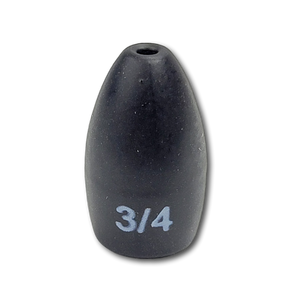
Blind Squirrel Baits Tungsten Weights
$2.99 - $4.99


When/Where: Cold fronts, high pressure, clear water, or anytime bites are “there but small.” Rock, sand, and light cover are ideal.
How: Thread the 2" Hellgrammite onto a small finesse jig or micro jig head. Use short hops and long pauses—let it sit.
Why: The hellgrammite profile sells “real food” in a compact package, which is exactly what pressured fish expect.
When/Where: Edges, holes, and vertical targets—especially when fish suspend just off bottom.
How: Nose-hook for maximum movement, or lightly Texas-rig for cover. Tiny shakes are plenty.
Why: The bait looks alive without needing speed, which keeps it in the strike zone longer.
When/Where: Rock/gravel, sparse grass, and calm conditions where subtle bottom contact wins.
How: Rig on a light mushroom head and crawl/drag with occasional small pops.
Why: A compact “bottom snack” profile that gets bit when larger plastics feel too loud.
When/Where: Clear water where fish track tiny forage slightly off bottom.
How: Rig straight, then use short lifts to glide and settle—avoid overworking it.
Why: The insect-like silhouette looks natural on a slow, controlled fall.
When/Where: Open water finesse, current seams, or along clean bottom transitions.
How: Slow swim, drag, or hop—keep your movements small and deliberate.
Why: Simple and efficient: it keeps the bait compact while still letting the appendages “breathe.”
When/Where: Light cover, docks, and edges where snag resistance matters.
How: Rig on a small worm hook with a light weight when needed; drag and pause around cover.
Why: Gives you a weedless insect profile for tight spots where open-hook finesse hangs up.


