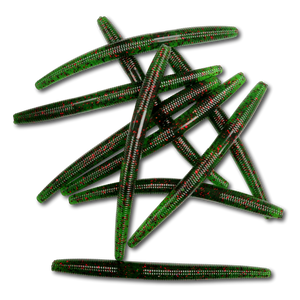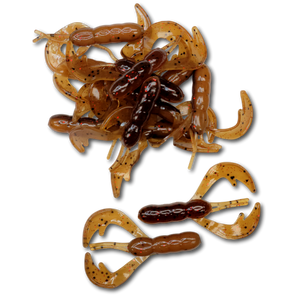



Barracuda Baits Tournament Series 3.8" Gilley Sniper Soft Plastic Bait
$7.99
(No reviews yet)

Write a Review

Barracuda Baits Tournament Series 3.8" Gilley Sniper Soft Plastic Bait
On-the-water overview (demo copy)
This is placeholder text for Jiggin’ Johnson’s new template shell.
Once we’re happy with the layout and behavior, we’ll plug in real product
descriptions, rigging tips, and JJ-specific language.
Specs & build (demo copy)
Specs & build (demo copy)
Care & storage (demo copy)
Care & storage (demo copy)
Best ways to fish it (demo)
Swim Jig Trailer
Shallow grass, slow roll
Texas Rig
Pitching to cover
Ball Jig Head
Dragging sand or rock
Split Shot
Natural subtle glides
The Gilley Sniper is a “get-bit” gilley profile—built for situations where you want a compact bluegill silhouette and clean tracking without a lot of bulk. Use it when fish are following, short striking, or just refusing bigger profiles. When/Where: Stained water edges, wind, shallow grass lanes, and hard-bottom flats when you want a bluegill-ish trailer without overpowering the jig. How: Thread it straight and keep the body centered so it tracks true. Start with a steady retrieve; add short pauses to let it “tick” down and flare back up. Why: A gilley profile can look more “real” than a paddletail when fish are keyed on panfish—especially in lakes with loads of small gills. Tuning: If it rolls, downsize the trailer length (or trim a touch off the nose) and re-thread perfectly straight. When/Where: Rock transitions, dock posts, and sparse grass where a small jig gets bites but you still want a “bluegill snack” profile. How: Use small hops and controlled drags. Let it settle, then move it just enough to look alive—think “nervous gill,” not “escaping shad.” Why: It adds a compact body and subtle thump without turning a finesse jig into a big, loud package. Tuning: In cold water, drag more than hop; in warm water, add a few quick pops to trigger reaction bites. When/Where: Wind banks, shallow cover, and stained water where the blades call fish in—but you want the trailer to “seal the deal.” How: Rig it straight and keep the retrieve smooth. If fish are bumping but not eating, slow-roll it so the trailer rides just behind the blades. Why: The gilley silhouette can match panfish forage better than standard straight trailers when bass are gill-hunting. Tuning: If it rises too high, add a slightly heavier head or slow your rod angle down toward the water. When/Where: Grass lines, shallow wood, and scattered weeds—especially when fish are ambushing panfish in the top half of the water column. How: Slow-roll with occasional micro-pauses. Let it “hunt” by gently ticking grass and popping free. Why: A swim jig already sells the panfish story—this trailer reinforces it with a compact, believable body. Tuning: If you want a tighter look, trim a small amount off the nose so it sits snug against the collar. When/Where: Clear-to-stained water, over points, along breaks, and around suspended fish that want something “easy” and natural. How: Cast, count it down, and swim it just fast enough to keep the blade turning. Add brief stalls so it pendulums down. Why: Underspins excel when fish want subtle flash plus a realistic body—this is a clean match for that job. Tuning: If short strikes happen, go to a slightly smaller hook gap/head size or add a stinger only where legal and appropriate. When/Where: Vertical on marks, along deep edges, or when fish are following but refusing moving baits. How: Nose-hook for maximum quiver, or light Texas-rig if you’re around grass/brush. Shake slack, not the weight. Why: You keep the gilley profile in their face without forcing them to chase—great for pressured fish. Tuning: If it spins, reduce shake intensity and re-rig perfectly straight. When/Where: Breaklines, sand/rock, current seams, and open-water swimming—classic “search and feed” mode. How: Swim it steadily, then add occasional bottom contact: two cranks, a pause, repeat. Why: Simple, efficient, and deadly—this is the “find them” setup when you don’t want to overthink it. Tuning: Match jig weight to depth so it ticks bottom only when you want it to. When/Where: Wood, docks, and edges where you need weedlessness but still want a bluegill profile instead of a worm/craw look. How: Use light weight and short pulls. Let it glide down on slack line, then lift and repeat. Why: You can sneak a panfish silhouette into cover where an exposed-hook swimbait would hang up. Tuning: Peg the weight to keep the package compact when pitching tight targets. When/Where: Shallow grass and reed edges when you want to swim through cover without fouling. How: Rig it perfectly centered. Swim it through lanes; pop it free when it ticks grass. Why: Weedless swimming with a natural body profile—great when fish are hunting gills in the junk. Tuning: If it rolls, make sure the hook point exits dead-center and the bait isn’t twisted. When/Where: Calm, shallow water; docks; and edges where fish are spooky or cruising. How: Cast past targets and let it glide naturally. Use small twitches and long pauses. Why: A slow, natural fall can outfish everything when the bite is “look but don’t commit.” Tuning: If you need a touch more control, add the smallest nail weight you can get away with.Bladed Jig
Finesse/Compact Jig
Spinnerbait
Swim Jig
Underspin
Drop Shot
Standard (Ball) Jig Head
Texas Rig
Weighted Swimbait Hook
Weightless Rig