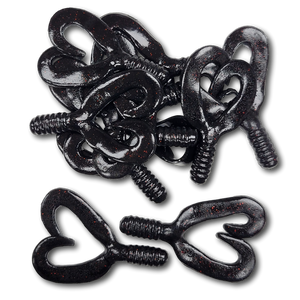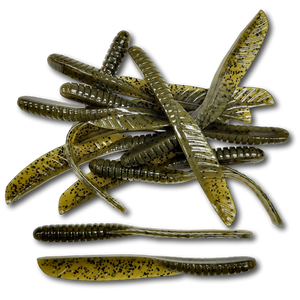

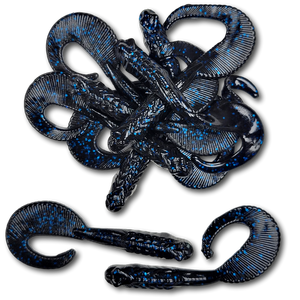

So Good Baits 5" Hand Poured Delta Tail Shad Soft Plastic Fluke Style Bait
$7.99
(No reviews yet)

Write a Review

So Good Baits 5" Hand Poured Delta Tail Shad Soft Plastic Fluke Style Bait
On-the-water overview (demo copy)
This is placeholder text for Jiggin’ Johnson’s new template shell.
Once we’re happy with the layout and behavior, we’ll plug in real product
descriptions, rigging tips, and JJ-specific language.
Specs & build (demo copy)
Specs & build (demo copy)
Care & storage (demo copy)
Care & storage (demo copy)
Best ways to fish it (demo)
Swim Jig Trailer
Shallow grass, slow roll
Texas Rig
Pitching to cover
Ball Jig Head
Dragging sand or rock
Split Shot
Natural subtle glides
How, where, and why it excels: The 5" Delta Tail Shad is a fluke-style jerkbait with a wide “delta” tail that glides on the pause and snaps forward clean when you twitch it—money for shallow cover, edges, and roaming baitfish. When/Where: Open water, outside weed edges, and over deeper grass when fish are feeding on bait but won’t fully commit to faster swimmers. How: Rig straight, slow roll until you tick cover, then add short twitches to break cadence. Let it glide on the pause. Why: Blade flash calls them in; the soft jerkbait body seals the deal when they get close. Tuning: If they’re swiping, add longer pauses and keep your line semi-slack so it can glide, not pendulum. When/Where: Hovering fish around docks, rock edges, and sparse vegetation where you want a baitfish look without constant forward travel. How: Nose hook for maximum action, or rig weedless when cover is involved. Keep the shake tiny—just enough to quiver—then let it sit. Why: It looks like an injured shad holding in place, which can flip a “lookers” situation into bites. When/Where: Inside turns, shallow grass, laydowns, and docks where you need a weedless baitfish profile. How: Rig it straight on a light EWG/offset hook. Twitch-twitch-pause; on the pause, keep just enough slack for a glide. Why: You get a fluke presentation that can go places a jig head can’t—without losing that baitfish glide. Tuning: If it rolls, re-thread and skin-hook more precisely; with flukes, “perfectly straight” is half the bite. When/Where: Weed edges and scattered cover when you want control over depth but still need weedless. How: Center the hook point and keep it perfectly aligned. Swim it steadily, then add single twitches to make it dart and glide back. Why: This is the “keep it in the zone” rig—depth control without killing the fluke action. When/Where: Shallow flats, over submerged grass, and around shade lines when fish are cruising or suspended. How: Rig Texas-style weightless and work it with cadence: twitch-twitch-pause. Let it glide on slack during the pause. Why: The slow fall + glide keeps it hovering where fish can decide to eat—especially in clear water. Tuning: If you need a slightly faster fall without going “weighted,” a small nail weight can make it more point-and-shoot.Underspin
Drop Shot
Texas Rig
Weighted Swimbait Hook
Weightless Rig