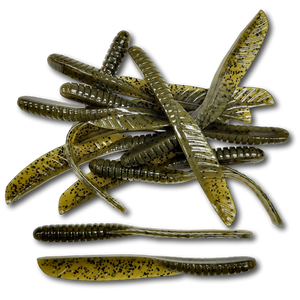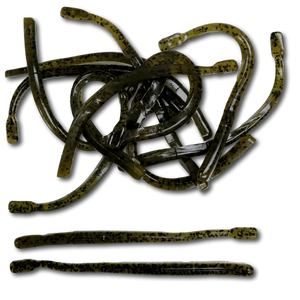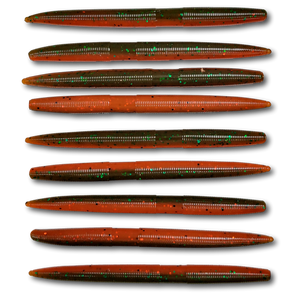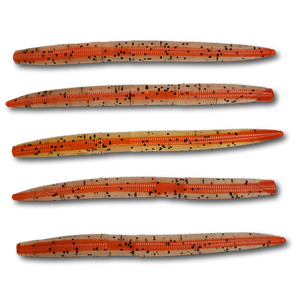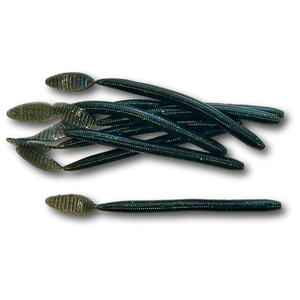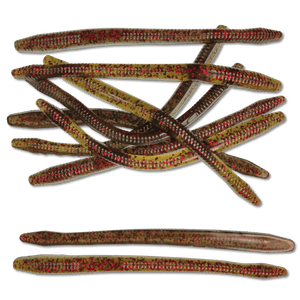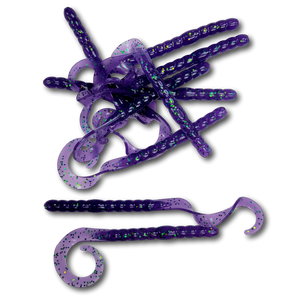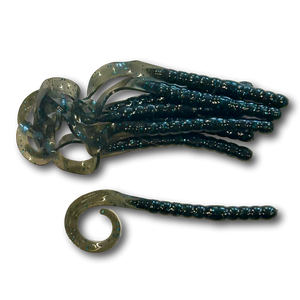

Finesse Soft Plastics
Finesse soft plastics are the “make them bite” baits for tough days—small profiles, controlled fall rates, and subtle movement that still looks alive. This page is built to help bass anglers first, but the same finesse soft plastics also translate cleanly to walleye and panfish/crappie when you downsize and slow down.
Category page • quick answers + rig setupsPick a profile, then control fall rate first—after that, cadence does the heavy lifting.
Pick a profile, then control fall rate first—after that, cadence does the heavy lifting.
What are finesse soft plastics?
Finesse soft plastics are soft baits designed to get bites when fish won’t commit to louder, bulkier, or faster options. The “finesse” part is less about tiny baits and more about control—controlling fall rate, keeping profiles compact, and using cadences that let fish inspect the bait without finding something “off.”
- Bass: pressured water, cold fronts, clear water, post-spawn funk, high-pressure days.
- Walleye: downsized profiles, slower drifts, and lighter heads when they’re neutral.
- Panfish/crappie: micro versions of the same shapes, shorter hops, slower drop.
Where finesse soft plastics shine
Finesse soft plastics shine when fish have time to look at your bait. That’s usually clear water and lighter wind, but it also shows up any time bass are pressured or walleye are neutral. If you’re getting follows, pecks, short strikes, or “just one bite,” finesse soft plastics are often the fastest way to turn the day around.
- Docks and shade edges where fish suspend and inspect
- Rock transitions and clean bottom where subtle hops look real
- Edges of sparse grass where you need a clean fall without snagging
- Community spots where fish have seen everything
First lever: fall rate (speed control)
With finesse soft plastics, fall rate is the “make it believable” lever. Too fast feels wrong in clear water or when fish are neutral. Too slow can stall you out when fish are active or when you need to cover water. Use weight as your primary dial, then back it up with line and hook choices.
- Too fast: go lighter, slow your rod, and let slack do some work.
- Too slow: bump weight up one step so it reaches fish cleanly and stays in control.
- Wind: heavier is often more “finesse” because it keeps contact and keeps cadence consistent.
Second lever: size & profile (match the mood)
After you’ve got fall rate right, choose the size and profile that matches what fish are willing to chase. “Finesse” can mean a 2–3" Ned profile, a 4–5" stick bait, a 3–4" finesse worm, or a compact swimbait. For panfish/crappie, think micro shapes and short movements.
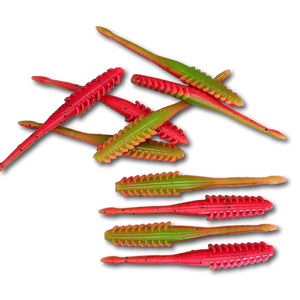
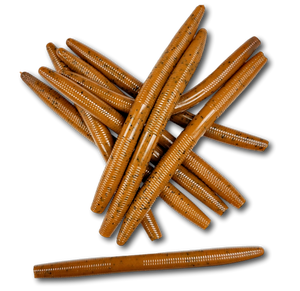
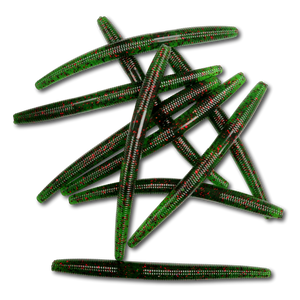
- Stick/straight: subtle, versatile, great on wacky, Neko, drop shot.
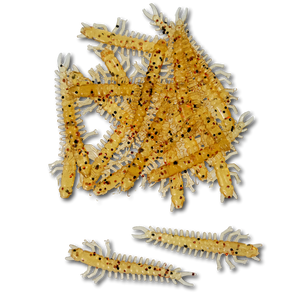
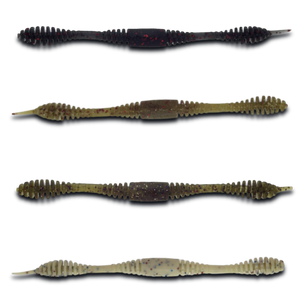
- Worms: shaky head, drop shot, slow dragging, finesse bites.
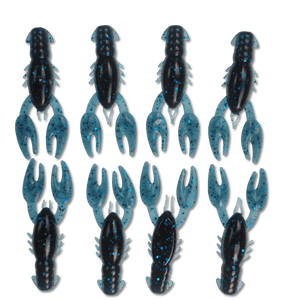
- Ned/craws: bottom contact, stand-up posture, “do less” presentation.
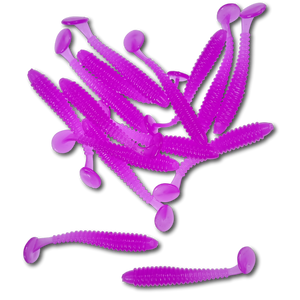
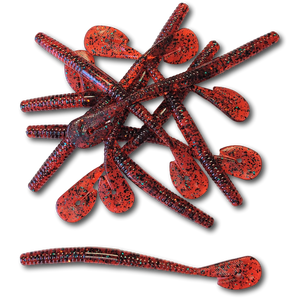
- Small swimbaits/paddletails: subtle moving bite when fish want just a little chase.
- Micro profiles: panfish/crappie jig head work, tiny hops, slow falls.
Third lever: color (visibility, not magic)
Color is your visibility control. In clear water, natural and translucent options keep fish comfortable. In stain, you often want a darker silhouette or a hint of chartreuse to help fish track it. If you’re unsure, start natural, then add contrast if you need attention.
- Clear: natural/translucent, subtle flakes, lighter shades.
- Light stain: green pumpkin / smoke / two-tone works.
- Stain: darker profiles or brighter accents for visibility.
- Panfish/crappie: contrast and small flashes often help more than perfect “matching.”
When to go finesse—and when not to
Go finesse when you need fish to commit, not react. If bass are schooling or smashing moving baits, you can still use finesse soft plastics—just choose a small swimbait, underspin, or a compact trailer and fish faster. For walleye, finesse is often about keeping a calm, controlled presentation in the strike zone.
- Go finesse: tough bite, clear water, calm, pressured, post-front.
- Don’t force finesse: if fish are active, use finesse shapes with more pace.
- Multi-species tip: the slower you fish, the more species show up.