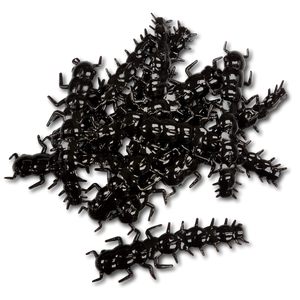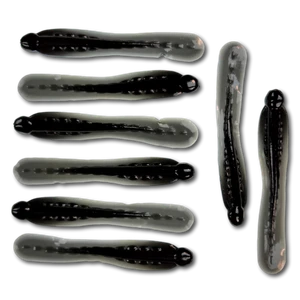


Liquid Baits Willowcat Scent
$11.99


The Liquid Baits 3.5" Original Willowcat is an iconic river bait profile designed to imitate a real willowcat (madtom) in both scent and appearance—built for anglers who want “as close as it gets” without live bait. When/Where: Current seams, eddies, and slow-to-fast transitions where predators set up to ambush. How: Rig it straight and swim it low with an occasional “tick” into bottom or cover. Add brief kill-pauses to let it glide and reset. Why: A willowcat profile looks like a real meal sliding along structure—especially effective when fish are feeding but won’t chase fast. Tuning: If it tracks high, slow down and keep your rod tip lower so it stays in the strike zone. When/Where: Moderate current, wing dams, riprap, and rocky stretches where fish use flash as a tracking cue. How: Slow-roll just off bottom, then pause so it drops and “reappears” as it swings through current. Why: The blade helps fish find it; the willowcat body sells the bite once they’re on it. Tuning: Re-thread if you feel roll. Centered hook exit = clean tracking. When/Where: Holding fish on edges, holes, and rock-to-sand transitions—especially when they’re pinned and you need precision. How: Nose-hook for maximum “alive” wiggle, or light Tex-pose around snaggy rock. Shake slack, not the weight. Why: Keeps the bait hovering naturally while the scent does its job on neutral fish. Tuning: Shorten leader when fish are glued to bottom; lengthen it when they’re suspended a foot or two up. When/Where: The classic river presentation—current breaks, downstream edges, and rock/gravel runs. How: Drag, pause, then give short hops. Let it settle often; most bites happen as it stops. Why: A willowcat imitation on a jig head is a direct forage match and stays efficient even in wind/current. Tuning: Use the lightest head that maintains bottom contact—too heavy kills the “glide and settle” look. When/Where: Wood, rock cracks, and snaggy stretches where exposed hooks get punished. How: Rig straight and crawl it like bottom forage. Add long dead-sticks in high pressure. Why: Keeps the willowcat profile in the nasty stuff where big fish live—without donating jig heads. Tuning: If you’re missing fish, slightly expose the point (skin-hook) for cleaner hooksets. When/Where: Shallow-to-mid cover, riprap, and weeds where you want weedless and natural. How: Swim it low and steady, occasionally ticking bottom or cover. Pause briefly after contact. Why: A weedless “live-bait look” you can cover water with—great for searching edges.Swim Jig
Underspin
Drop Shot
Standard (Ball) Jig Head
Texas Rig
Weighted Swimbait Hook