


Jiggin' Johnsons' Skirted Tube 4.0" Soft Plastic Bait
$4.99
(No reviews yet)

Write a Review
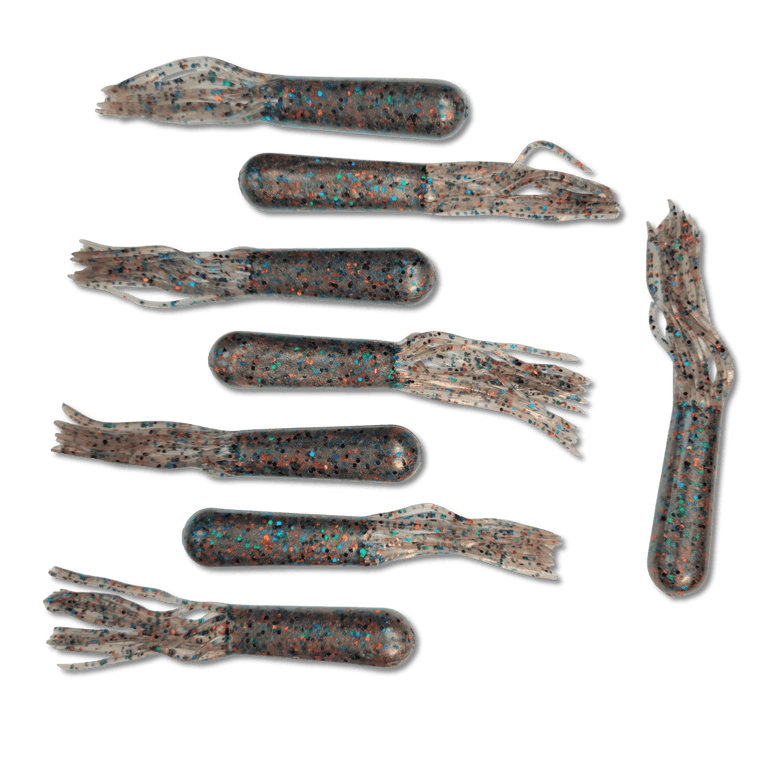
Jiggin' Johnsons' Skirted Tube 4.0" Soft Plastic Bait
On-the-water overview (demo copy)
This is placeholder text for Jiggin’ Johnson’s new template shell.
Once we’re happy with the layout and behavior, we’ll plug in real product
descriptions, rigging tips, and JJ-specific language.
Specs & build (demo copy)
Specs & build (demo copy)
Care & storage (demo copy)
Care & storage (demo copy)
Best ways to fish it (demo)
Swim Jig Trailer
Shallow grass, slow roll
Texas Rig
Pitching to cover
Ball Jig Head
Dragging sand or rock
Split Shot
Natural subtle glides
Arky/Flipping
When/Where: When you want a compact “meat + flare” profile around wood, dock edges, and thicker cover—especially when fish won’t chase far.
How: Treat it like a short-skirt trailer: thread it straight so the head of the tube seats tight, then let the tentacles do the breathing when you shake or stall.
Why: A tube’s skirt collapses on the bite and then re-flares on the pause, giving you a natural stop-and-go look without changing cadence.
Tuning: If you want more flare, shorten the tube slightly at the nose so more skirt sits behind the jig head.
Football Jig
When/Where: Rocks, gravel, and hard-bottom edges—smallmouth water, points, and transitions where “crawl + hop” is the deal.
How: Drag until you feel bottom, then add short hops. Let it fall on semi-slack so the skirt breathes as it glides back down.
Why: The head tracks bottom while the tube flares and collapses, which reads like a bottom critter even at slower speeds.
Tuning: If you’re hanging in rock, reduce hop height and keep it more of a steady drag with micro-pauses.
Finesse/Compact Jig
When/Where: Pressured fish, clearer water, or anytime you want a smaller “impact” presentation that still has skirt movement.
How: Hop, shake, and stall. The tube does most of the work when you stop moving it—so give it pauses.
Why: You get a compact body with a lot of secondary motion, which helps when fish are inspecting rather than reacting.
Tuning: Keep it perfectly centered on the keeper; off-center tubes will drift/roll instead of gliding clean.
Standard (Ball) Jig Head
When/Where: The “tube anywhere” setup—shorelines, breaks, and current seams when you want a simple cast-and-work bait.
How: Swim it just off bottom, then pop it down with short hops. On the fall, the skirt pulses and the bait glides instead of dropping like a rock.
Why: A ball head keeps it clean and consistent; the skirt adds life even when your retrieve is basic.
Tuning: Go lighter to maximize glide; go heavier to keep contact in wind or deeper water.
Texas Rig
When/Where: Grass lines, laydowns, and cover where an exposed hook tube head will hang up.
How: Use a light weight and fish it like a compact creature: lift, shake, and let it fall. The skirt flutters on the fall and breathes on slack line.
Why: You keep the tube’s flare and profile, but gain weedlessness and the ability to slide through cover.
Tuning: Make sure the hook exits dead center so the tube tracks true on the pull.
Tube Jig Head
When/Where: Classic tube water—rock, gravel, and edges where you want that clean spiral/glide on the fall.
How: Insert and seat the head so the body stays straight. Pop it off bottom, then let it fall on semi-slack to get maximum skirt movement.
Why: A tube head gives the most “true” tube action—glide, flare, and a natural-looking collapse on the bite.
Tuning: If it’s helicoptering too much, reduce slack on the fall and keep the line angle a bit tighter.