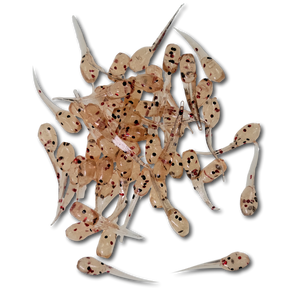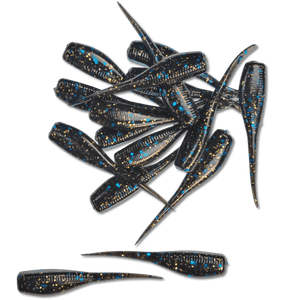



Jiggin' Johnsons' Pintail Fluke 2.75" Soft Plastic Bait
$3.99
(No reviews yet)

Write a Review

Jiggin' Johnsons' Pintail Fluke 2.75" Soft Plastic Bait
On-the-water overview (demo copy)
This is placeholder text for Jiggin’ Johnson’s new template shell.
Once we’re happy with the layout and behavior, we’ll plug in real product
descriptions, rigging tips, and JJ-specific language.
Specs & build (demo copy)
Specs & build (demo copy)
Care & storage (demo copy)
Care & storage (demo copy)
Best ways to fish it (demo)
Swim Jig Trailer
Shallow grass, slow roll
Texas Rig
Pitching to cover
Ball Jig Head
Dragging sand or rock
Split Shot
Natural subtle glides
The Pintail Fluke is a slim, baitfish-style soft plastic that shines when you want a clean glide, a subtle tail quiver, and a “looks real even when barely moving” vibe. It’s a great choice for calm water, pressured fish, or any time a loud thump isn’t the ask. When/Where: Stained water, wind, and around grass lines when fish want a tighter, more minnow-like trailer instead of a big kicking tail. How: Rig it perfectly centered so the bait tracks straight. Use a steady retrieve, then add short half-second stalls to let it glide and re-engage. Why: You keep the vibration/flash of the jig while the pintail adds a natural, tight “baitfish” profile that won’t overpower the presentation. Tuning: If it starts to roll, re-rig straighter and make sure the nose seats flush to the collar/keeper. When/Where: Along weed edges, docks, and wind-blown banks when you want to keep the trailer subtle but still add a clean silhouette. How: Thread it straight and snug. Slow-roll deeper with the rod tip down, or wake higher with the rod tip up. Why: The pintail’s understated action pairs well with blades—your trailer supports the profile without “fighting” the spinnerbait’s movement. Tuning: If short strikes show up, slow down and keep it in the strike zone longer instead of upsizing. When/Where: Clear to lightly stained water, shallow grass lanes, and edges where fish are feeding on small baitfish. How: Swim it steadily, then add little twitches to make the bait “dart” and glide. Let it fall next to targets on semi-slack line. Why: You get a compact, minnow-forward look that still has life, but stays controlled and realistic. Tuning: Keep the trailer perfectly straight—most tracking issues are a rigging angle problem. When/Where: Clear water, suspended fish, and schooling bites—any time subtle flash plus a small baitfish profile is the deal. How: Thread it straight. Count it down to the level you want, then retrieve steadily with occasional quick turns to change cadence. Why: The blade adds just enough flash to draw attention while the pintail keeps the body looking natural. Tuning: If you’re getting follows, slow down and add short pauses so it glides and hangs in place. When/Where: Clear water, vertical presentations, or when fish are suspended and you need “stay put” control. How: Nose-hook (most finesse) or lightly Texas-rig (more cover). Shake slack, don’t move the weight much—let the bait quiver and glide. Why: Pintails look convincing with minimal input, which is exactly what drop shotting rewards. Tuning: If fish are nipping, reduce movement and lengthen pauses—make it look like a dying baitfish. When/Where: Over grass tops, around bait balls, or anywhere you want a small minnow to “hover” and drift naturally. How: Keep your rod tip up and work short, controlled pulls with slack in between so it glides and suspends. Why: The fluke profile is built for dart-and-glide—perfect for a hover-style cadence. Tuning: If it’s too aggressive, shorten your pulls and let the glide do the selling. When/Where: Rivers, rock, sand, and open-water baitfish situations where you want a simple, clean swim. How: Cast and swim just off bottom, or count it down and hold a steady retrieve. Add occasional twitches to make it dart. Why: It’s the most straightforward way to fish a pintail: natural shape + natural track. Tuning: If you’re snagging, lighten up and keep it moving; if you’re not staying down, bump weight slightly. When/Where: Grass, sparse wood, and docks when you need a weedless baitfish look that can glide into openings. How: Rig it straight. Swim it through lanes, then kill it next to cover and let it fall on semi-slack line. Why: You get the fluke glide without the hang-ups—great for “target, glide, pause” fishing. Tuning: If bites are light, go lighter and let the fall do more work than your retrieve. When/Where: Shallow flats, weed edges, and mid-depth lanes where you want a stable swim and an easy keel. How: Rig straight and swim it steadily. Add quick twitches to make it kick and glide, then return to steady. Why: It keeps the bait tracking clean while staying snag-resistant. Tuning: If you want more glide, slow down and incorporate longer pauses. When/Where: Shallow cover, calm conditions, and spooky fish—especially around docks and edges. How: Cast, let it fall, then twitch-twitch-pause. Keep slack in the line so it can glide and “walk” naturally. Why: This is where a fluke profile really flexes: the glide sells the whole illusion. Tuning: If it’s not gliding, you’re probably too tight—give it slack and shorten your twitches.Bladed Jig
Spinnerbait
Swim Jig
Underspin
Drop Shot
Hover Jig
Standard (Ball) Jig Head
Texas Rig
Weighted Swimbait Hook
Weightless Rig