


Jiggin' Johnsons' Gilley 3.8" Finesse Soft Plastic Bait
$5.99
(No reviews yet)

Write a Review

Jiggin' Johnsons' Gilley 3.8" Finesse Soft Plastic Bait
On-the-water overview (demo copy)
This is placeholder text for Jiggin’ Johnson’s new template shell.
Once we’re happy with the layout and behavior, we’ll plug in real product
descriptions, rigging tips, and JJ-specific language.
Specs & build (demo copy)
Specs & build (demo copy)
Care & storage (demo copy)
Care & storage (demo copy)
Best ways to fish it (demo)
Swim Jig Trailer
Shallow grass, slow roll
Texas Rig
Pitching to cover
Ball Jig Head
Dragging sand or rock
Split Shot
Natural subtle glides
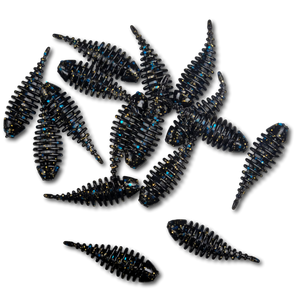
Gilley 3.8" is a full-size finesse minnow with a ribbed body and a tight, subtle tail. It’s made for “track and commit” bites—when fish want a baitfish profile, but you still need finesse speed control. When/Where: Outside weed edges, shallow grass lanes, docks, and wind-blown banks with small bait around. How: Thread it straight and swim it just ticking cover. Add quick “half-second kills” after a deflection—then restart. Why: The ribbing gives presence without a loud tail, so you get a clean minnow look that still feels alive. Tuning: If it wants to roll, re-thread until dead straight. This bait rewards perfect rigging. When/Where: Clear–stained water, points, marinas, and suspended fish over grass flats or brush. How: Count it down, then slow-grind with occasional one-count stalls. Keep your rod tip down to hold depth. Why: A small blade adds “find me” flash while the Gilley stays subtle—great when fish follow but won’t fully commit. Tuning: If fish are nipping, slow down and extend the stall; let them catch up and eat. When/Where: Vertical targets, shade lines, and deeper edges when you want the bait to hover in one lane. How: Nose-hook and use tiny pulses—more fingertip than forearm. Let it glide and “breathe,” not dart. Why: The 3.8" profile reads like real forage, but the action stays controlled for pressured fish. Tuning: If you’re getting quick pecks, shorten the leader a bit to keep the bait tighter to the weight. When/Where: Banks, rock seams, open-water points, and crappie edges where you want a simple “count down and swim” approach. How: Count it to depth, slow-roll, then pause whenever you tick cover or feel the bait rise. Why: The ribs push a little water at slow speed, so it stays convincing without needing aggressive rod work. Tuning: In wind/current, go slightly heavier for control. In calm clear water, lighten up and lengthen the pause. When/Where: Grass pockets, wood edges, and any place a jig head fouls but fish are still keyed on minnows. How: Light weight if needed for depth control. Swim it through openings and let it glide on the drop. Why: Weedless minnow profile that stays in the strike zone longer around cover. Tuning: If it drifts too high in grass, add a touch more weight rather than speeding up. When/Where: Sparse grass lanes, shallow weed edges, and around docks when you want a clean, stable swim. How: Keep a steady retrieve and add brief stalls. A keel weight helps it track straight through chop. Why: You get a minnow presentation that stays weed-friendly and doesn’t require constant correction. Tuning: A dot of gel glue at the keeper can help the bait stay pinned and extend bait life.Swim Jig
Underspin
Drop Shot
Standard (Ball) Jig Head
Texas Rig
Weighted Swimbait Hook


