


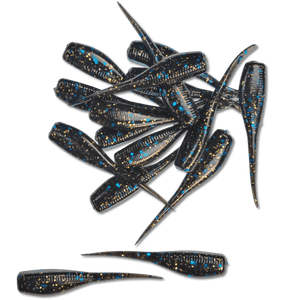

Jiggin' Johnsons' Arrow Grub 1.75" Soft Plastic Bait
$3.99
(No reviews yet)

Write a Review

Jiggin' Johnsons' Arrow Grub 1.75" Soft Plastic Bait
On-the-water overview (demo copy)
This is placeholder text for Jiggin’ Johnson’s new template shell.
Once we’re happy with the layout and behavior, we’ll plug in real product
descriptions, rigging tips, and JJ-specific language.
Specs & build (demo copy)
Specs & build (demo copy)
Care & storage (demo copy)
Care & storage (demo copy)
Best ways to fish it (demo)
Swim Jig Trailer
Shallow grass, slow roll
Texas Rig
Pitching to cover
Ball Jig Head
Dragging sand or rock
Split Shot
Natural subtle glides
The Croaker 1.75" Arrow Grub is a tiny “swim-on-anything” bait: straight profile, easy tracking, and a tail that kicks with very little speed. It shines when fish are feeding small, pressured, or dialed into subtle forage. When/Where: Windy banks, shallow grass edges, and riprap when fish are following or swiping short. How: Thread the Arrow Grub straight as a compact trailer. Run a smooth retrieve and let the tail “tick” behind the blades. Why: It adds an easy-to-eat target without bulking up the bait—great for pressured fish and cold-front conditions. Tuning: If the trailer rolls, re-thread dead-center and snug it tight to the collar/keeper. When/Where: Shallow reeds, sparse milfoil, and edge cover when you want a small profile that still swims clean. How: Thread straight and keep the retrieve steady. Add a quick pause over holes—on the restart the tail often triggers bites. Why: You get a streamlined “minnow-ish” silhouette with dependable kick at slow speeds. Tuning: If you want more lift, lighten the jig; if you want more depth control, keep speed the same and bump weight up one step. When/Where: Clear to lightly stained water, especially over sand/grass transitions and along shallow rock. How: Swim it slow and level with the rod tip down. Mix in short pauses so it glides, then re-engage the blade. Why: Flash pulls fish in; the tiny grub profile closes—perfect for “lookers” that won’t commit to a bigger swimbait. Tuning: To keep it higher in the column, slow down and lighten weight before you speed up. When/Where: Dock shade, weed edges, and along rock lines when fish are suspended just off bottom. How: Nose-hook for maximum tail quiver, or light-Texas for cover. Shake in place—tiny rod-tip ticks make the tail pulse without moving far. Why: It stays in the strike zone and still “swims” with almost no forward travel. Tuning: If fish are nipping, shorten your leader and slow your shake—less motion, more control. When/Where: Hard-bottom spots, riprap, and sparse grass where fish want a small snack and a slow pace. How: Thread it perfectly straight on a mushroom-style head. Drag and pause, or hop it in tiny steps and let it settle. Why: The Arrow Grub tail adds just enough movement to turn “dead-stick” pauses into bites. Tuning: If it hangs up, lift and glide instead of dragging—keep the head from wedging in rock. When/Where: Panfish schools, shallow rock, and current seams—anywhere a classic jig-and-grub shines. How: Swim it steady just off bottom or count it down and slow-roll. Add occasional pops to flare the tail. Why: Simple, reliable, and it tracks true even at very slow speeds. Tuning: If you’re getting snagged, go lighter and keep it swimming, not dragging. When/Where: Around reeds, sparse grass, and small wood where you want weedless finesse. How: Rig straight with a small weight. Crawl it and occasionally lift it to swim a foot or two, then let it settle. Why: You get grub action in places a jig head can’t survive. Tuning: If it spins, your hook exit is off-center—re-rig and make sure the body is dead straight. When/Where: Ultra-shallow flats, calm pockets, and around visible targets where a slow fall matters. How: Cast past the target, let it sink, then twitch-pause. Keep pauses long—the tail doesn’t need much to move. Why: Natural, subtle, and easy to inhale—great for spooky fish. Tuning: Need a touch more sink? Add a tiny nail weight to the belly without ruining the finesse vibe.Spinnerbait (micro / compact)
Swim Jig (micro / finesse)
Underspin (micro)
Drop Shot
Ned Rig
Standard (Ball) Jig Head
Texas Rig (light)
Weightless Rig


