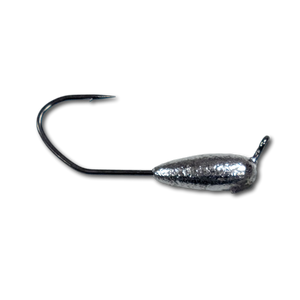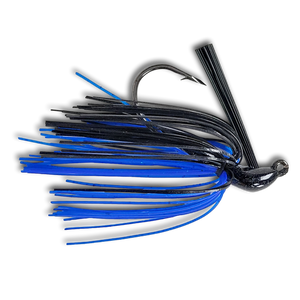



Dougs Custom Lures Go-To Swim Jig Head
$6.99
(No reviews yet)

Write a Review
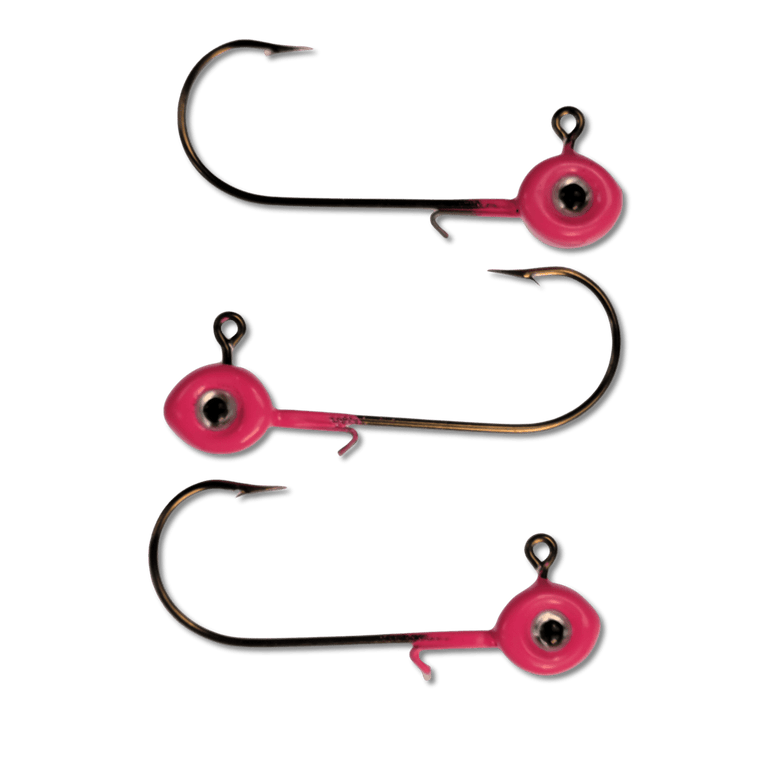
Dougs Custom Lures Go-To Swim Jig Head
On-the-water overview (demo copy)
This is placeholder text for Jiggin’ Johnson’s new template shell.
Once we’re happy with the layout and behavior, we’ll plug in real product
descriptions, rigging tips, and JJ-specific language.
Specs & build (demo copy)
Specs & build (demo copy)
Care & storage (demo copy)
Care & storage (demo copy)
Best ways to fish it (demo)
Swim Jig Trailer
Shallow grass, slow roll
Texas Rig
Pitching to cover
Ball Jig Head
Dragging sand or rock
Split Shot
Natural subtle glides
Shad & Paddle Tails
When/Where: The natural home of a swim jig head. Open water, points, ledges, weedlines, and anywhere bass or walleye are actively chasing baitfish. Works from the surface down to 15+ feet depending on retrieve speed and weight.
How: Thread the shad or paddle tail straight on the hook so it tracks level — the disc head's flat face pushes water and helps the bait plane up slightly on the retrieve, creating a natural baitfish swim. Work it with a steady retrieve, occasional pauses, or a slow roll just above the bottom or over submerged vegetation.
Why: The flat disc profile of the Go-To head is specifically designed for this presentation. Where a round ball head can cause a paddle tail to wag erratically at faster speeds, the disc keeps the bait tracking true and swimming level at any retrieve pace. The recessed eye gives the finished rig a realistic baitfish face.
Tuning: Speed up the retrieve to keep the bait higher in the water column over grass; slow down and let it tick the bottom on open flats. Browse shad-style soft baits — including the Doug's 3.75" Rippin' Shad, CoreShot Rippin' Shad, and 4" Pintail Shad — to pair with this head.
Flukes & Soft Jerkbaits
When/Where: Open water and mid-column presentations for bass and walleye when fish are chasing shad or other suspended baitfish. Particularly effective in spring and fall when fish are actively feeding near the surface or over open flats.
How: Nose-hook the fluke and use a jerk-jerk-pause retrieve. The disc head gives enough weight for casting distance and depth control while still allowing the flat body to dart and glide erratically on the pause. That glide on a slack line is when most strikes happen.
Why: The disc profile doesn't fight the fluke's side-to-side dart the way a heavier or bulkier head would. It adds casting weight and some depth without changing the fundamental action that makes soft jerkbaits effective. The painted head and recessed eye give the rig a finished, realistic look that matters in clear water.
Tuning: Keep it light — 1/8 oz preserves the glide. For a deeper presentation, use a brief countdown before beginning the retrieve rather than switching to a heavier head. See fluke and soft jerkbait options, including the Doug's 5" Soft Plastic Fluke and So Good Baits 5" Delta Tail Shad.
Grubs
When/Where: One of the most versatile pairings for a swim jig head. Effective for bass, walleye, and even crappie in 4–15 feet over any type of structure. Works especially well in current where the grub's curly tail produces action with minimal retrieve effort.
How: Thread the grub straight so the curly tail hangs naturally behind the disc head. Swim it steadily at a consistent depth, or let it fall and swim it back up in slow arcs. The tail kicks continuously on both the retrieve and the fall.
Why: The disc head keeps grubs from spinning or rolling on faster retrieves — a common problem with round ball heads at speed. The bait keeper barb locks the grub body in place so it stays straight and tracks true cast after cast.
Tuning: In current, use just enough weight to stay at the target depth — let the current do some of the work for you. In still water, a slow, steady retrieve just above the bottom is usually the most productive approach. Browse grub-style soft baits on Qwik Fishing.
Leeches
When/Where: A natural pairing for walleye on mid-depth flats and open structure, and a consistent producer for bass over sparse weeds and soft-bottom areas. Spring through fall, especially effective when fish are in a feeding mode and willing to chase.
How: Nose-hook through the tip of a leech-style soft plastic and swim it with a slow, steady retrieve just above the bottom or through the lower half of the water column. The tail undulates naturally with forward motion — very little rod input needed. Pause occasionally and let the tail flutter and sink before resuming the swim.
Why: A swimming leech is a different look from the standard drag-and-hop approach most anglers default to — it covers water, looks alive, and often gets bites from fish that have ignored a stationary presentation. The disc head swims the leech at a natural angle without forcing the nose down.
Tuning: 1/8 oz is ideal for most leech swim applications — slow enough to keep the bait in the strike zone, fast enough to cover water efficiently. See leech-style soft baits, including the So Good Baits 4.25" Hand-Poured Leech.
Gilleys
When/Where: Clear to lightly stained water for bass and walleye over open flats, humps, and along weedlines. The gilley's segmented body produces a lifelike shimmy that pairs exceptionally well with a swimming retrieve.
How: Nose-hook through the tip and swim with a slow, steady retrieve. The segmented body undulates naturally with forward motion — the slower you go, the more pronounced the individual segment movement. Ideal for a slow-roll presentation just above the bottom or through the middle of the water column.
Why: The gilley's action is generated entirely by water pressure moving through the segmented body — it needs forward motion to come alive, making it a perfect match for a swim jig head. The disc profile maintains swim depth and keeps the bait from rolling.
Tuning: Fish it slower than feels natural. The gilley looks most alive at a near-crawl pace where each segment has time to flex independently. Browse gilley-style soft baits on Qwik Fishing.
Worms
When/Where: Bass over open structure, sparse weeds, and along transition edges from spring through fall. A swimming worm is a classic technique that regularly outperforms other presentations when fish want something slow and natural.
How: Nose-hook a straight-tail or ribbon-tail worm and swim it with a slow, steady retrieve — low rod tip, consistent speed, just above the bottom. The tail action varies by profile: ribbon tails flutter continuously, straight tails produce a subtle side-to-side sway. Let the bait do the work.
Why: Most anglers rig worms for bottom-contact presentations. A swimming worm is a change of pace that puts the bait in a different part of the water column and gives it a fundamentally different action — fish that have seen bottom-hopped worms all season will eat a swimming worm without hesitation.
Tuning: Use the lightest weight that lets you maintain control of the depth. 1/8 oz is ideal for keeping a worm in the top 3–4 feet of the water column on a slow retrieve. Browse worm-style soft baits on Qwik Fishing.
Hellgrammites
When/Where: Rivers and rocky streams for smallmouth bass where hellgrammites — dobsonfly larvae — are a primary food source. A swum hellgrammite imitation through current seams and around rocky structure is a highly effective and underused approach.
How: Nose-hook and cast upstream or across current, then swim the bait back through current seams, along rock faces, and past ambush points. Let the current add action — you don't need a fast retrieve. Allow the bait to swing through eddies and slow pockets where fish are staged.
Why: Most hellgrammite presentations are bottom-oriented. A swimming hellgrammite through current gives smallmouth a different look — one that mimics a larva being dislodged and swept downstream, which is a completely natural and irresistible event for fish in moving water.
Tuning: Match the weight to current speed — enough to stay near the bottom without getting hung up. 1/8 oz works well in moderate current; heavier options as they become available will suit faster water. See hellgrammite-style soft baits on Qwik Fishing.
Gobies
When/Where: Smallmouth bass and walleye in goby-populated rivers and Great Lakes structure. A slow-swimming goby imitation along rocky bottom is one of the most natural presentations you can make where this forage is present.
How: Thread the goby profile onto the hook and swim it very slowly along the bottom — just fast enough to maintain contact and produce a subtle wobble. The disc head keeps the bait tracking level rather than nose-diving, which gives it a more realistic swimming posture.
Why: Live gobies swim in short bursts along the bottom. A slow-swimming soft plastic imitation matches this behavior better than a drag-and-hop retrieve and puts the bait in motion — which triggers fish that might ignore a stationary presentation.
Tuning: Keep it on or very near the bottom. The Garlic Goby's scent adds an extra trigger for fish that follow but don't commit. Check out the Liquid Baits 3.75" Garlic Goby as a natural pairing.
Lizards
When/Where: Spring bass fishing around spawning flats, shallow vegetation, and shoreline cover. A swimming lizard is an aggressive presentation that draws reaction strikes from pre-spawn and spawning bass defending territory.
How: Nose-hook and swim just above the bottom or through the tops of submerged vegetation with a slow, steady retrieve. The legs and tail flutter continuously during the swim, creating both visual appeal and water displacement that fish can detect from a distance.
Why: Lizards are typically fished slow and stationary. Adding forward motion with a swim head makes the bait more aggressive and covers water faster — useful when you're searching for active, territorial fish rather than picking apart one spot.
Tuning: 1/8 oz keeps the swim shallow and allows the bait to stay above bottom vegetation without fouling. Find lizard-style soft baits to pair with this head.
Willowcats
When/Where: Bass and walleye around weeds, rocks, and mixed structure where a compact but action-heavy profile is needed. The willowcat's multiple appendages produce a lot of vibration and movement at slow swim speeds.
How: Thread straight on the hook and swim with a slow-to-moderate retrieve. The legs kick and flutter throughout the presentation, producing a lifelike multi-appendage action that creates significant water displacement for a small bait. Effective around weedline edges where fish are ambushing prey.
Why: The willowcat generates more vibration per inch than most soft plastics — something fish can feel before they see it. On a swim head, that vibration carries through the water column and draws fish from a wider strike zone than a bottom-oriented presentation.
Tuning: A slower retrieve maximizes the leg action — at higher speeds the appendages flatten out and lose their flutter. Browse willowcat-style soft baits on Qwik Fishing.