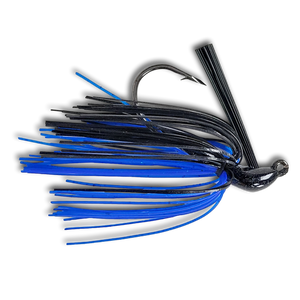

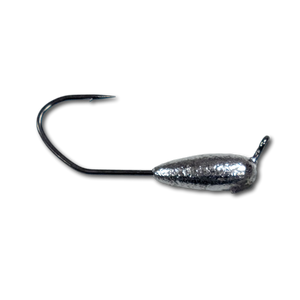

Dougs Custom Lures Boogie Blade Vibrating Jig
$7.99
(No reviews yet)

Write a Review
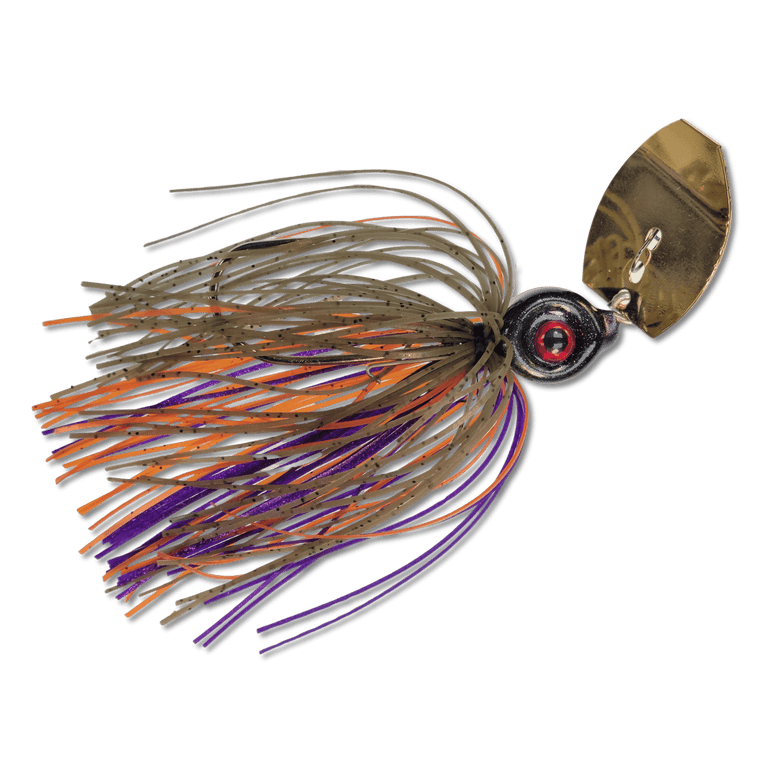
Dougs Custom Lures Boogie Blade Vibrating Jig
On-the-water overview (demo copy)
This is placeholder text for Jiggin’ Johnson’s new template shell.
Once we’re happy with the layout and behavior, we’ll plug in real product
descriptions, rigging tips, and JJ-specific language.
Specs & build (demo copy)
Specs & build (demo copy)
Care & storage (demo copy)
Care & storage (demo copy)
Best ways to fish it (demo)
Swim Jig Trailer
Shallow grass, slow roll
Texas Rig
Pitching to cover
Ball Jig Head
Dragging sand or rock
Split Shot
Natural subtle glides
Bladed Jig — The Boogie Blade's Home Water
When/Where: The Boogie Blade is purpose-built for bladed jig fishing. Deploy it anywhere bass are suspending in or near vegetation, along weed edges, over submerged grass flats, through laydowns, and along chunk rock transitions. Pike readily ambush it wherever baitfish are present. Works spring through fall; particularly lethal during the pre-spawn, post-spawn, and early fall baitfish migrations.
How: Steady retrieve is the foundation — wind it at a pace that keeps the blade thumping. Vary speed to find the strike zone depth. Deflect it off wood, rocks, and vegetation edges on purpose; reaction bites often happen immediately after contact. A short pause-and-flutter can seal the deal when fish are following.
Why: The steel blade produces a wide, consistent thump that displaces water and triggers lateral-line responses from bass and pike at longer distances. The bold skirt delivers a beefy profile that mimics bluegill, perch, and other slab-bodied prey.
Tuning: Match weight to depth — lighter sizes for shallower flats and warmer water when fish are high, heavier for deeper grass edges and faster current seams. Trim the skirt slightly for a tighter, faster profile in cold water.
Swim Jig — Running Parallel to Cover
When/Where: Use the Boogie Blade swim-jig style when you want to run the bait parallel to a dock face, alongside a laydown, or just above a submerged grass canopy. Excellent when fish are chasing and won't commit to a slower presentation.
How: Cast past your target and begin a steady, slightly elevated retrieve that keeps the bait just above cover. Raise or lower your rod tip to fine-tune running depth. Bump structure intentionally — the blade's thump changes character on contact and triggers reactive strikes.
Why: The full silicone skirt breathes and pulses at slow speeds, giving this bait a swim-jig feel while the blade adds a triggered reaction component that a standard swim jig can't replicate.
Spinnerbait-Style — Open Water and Wind-Blown Banks
When/Where: Wind-blown points, open flats, and rocky banks where bass are fanned out and covering ground. Works especially well in stained to dirty water where vibration does more work than flash.
How: Long cast, steady retrieve, work the bait through the upper half of the water column. Slow-roll near bottom for suspended fish on main lake points. The Boogie Blade tracks well even in a cross-wind retrieve.
Why: The single steel blade creates a more compact profile than a double-blade spinnerbait, which lets you fish it faster without blowout and positions it perfectly in the slot between a standard bladed jig and a traditional spinnerbait.
Trailer Pairing — Maximizing the Skirt
When/Where: Any scenario where fish are getting a good look before committing — clear water, post-frontal pressure, or heavily fished water.
How: Thread a compact chunk, craw, or paddle-tail trailer onto the hook to bulk the profile and add a secondary action point behind the skirt. Match trailer color to skirt colors for cohesion, or add a contrasting color tail for a trigger point in dark water.
Why: The trailer slows the fall rate slightly and adds a second focal point for finicky fish. It also changes the bait's action subtly — more displacement, more pressure wave, more convincing profile at close range.
Tuning: Keep trailers compact so they don't overload the hook gap. A 2.5"–3" chunk or craw is ideal for most sizes.