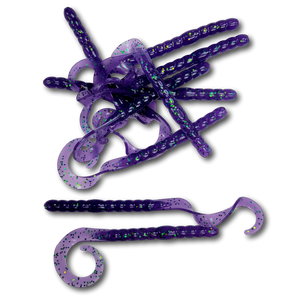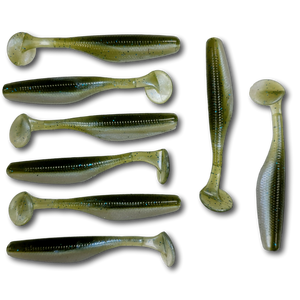



Dougs Custom Lures 4" inch Soft Plastic Tube Baits
$7.99
(No reviews yet)

Write a Review

Dougs Custom Lures 4" inch Soft Plastic Tube Baits
On-the-water overview (demo copy)
This is placeholder text for Jiggin’ Johnson’s new template shell.
Once we’re happy with the layout and behavior, we’ll plug in real product
descriptions, rigging tips, and JJ-specific language.
Specs & build (demo copy)
Specs & build (demo copy)
Care & storage (demo copy)
Care & storage (demo copy)
Best ways to fish it (demo)
Swim Jig Trailer
Shallow grass, slow roll
Texas Rig
Pitching to cover
Ball Jig Head
Dragging sand or rock
Split Shot
Natural subtle glides
Finesse / Compact Jig
When/Where: Pressured fish in clear water, docks, rocky points, and post-front conditions when bass lock tight to cover and want a slower, subtler fall.
How: Thread the tube on a 3/16–3/8 oz. internal jig head so the weight stays hidden inside the body. Cast to structure, let it spiral down on slack line, and follow with short hops and pauses on the bottom.
Why: The hollow body traps air and collapses on the strike, giving bass a natural mouthfeel that makes them hold on longer. The skirt tentacles quiver on every tiny twitch even when the bait is sitting still.
Tuning: For a tighter, faster spiral, use a lighter head; heavier heads drop straighter — useful when fish are stacked directly under cover.
Drop Shot
When/Where: Deep structure in clear water — offshore humps, channel edges, suspended fish over 15 feet. Excellent in summer and winter.
How: Nose-hook the tube lightly through the top of the body on a drop-shot hook 8–14 inches above the sinker. Shake in place or drag slowly; the tentacles do the work.
Why: Tubes are an underused drop-shot bait. The hollow, collapsible body and flowing tentacles look alive even with minimal rod movement, keeping suspended bass interested longer than most stick-style baits.
Hover Jig
When/Where: Cold-water finesse situations, brush piles, suspended fish, and ice-fishing setups. Especially deadly in late fall through early spring.
How: Use a Doug's Hover Jig Head to keep the tube neutrally buoyant or barely sinking. Gentle lifts and pauses let the bait stall in place while the tentacles breathe and pulse.
Why: The hover approach gives bass an easy target with zero commitment required — they can inhale it as it hangs. A 4.0" tube at this size provides more visible mass than finesse alternatives, which triggers larger fish.
Tuning: Adjust head weight in 1/32 oz. increments until the bait falls as slowly as possible while still reaching bottom. Slower is almost always better in cold water.
Ned Rig
When/Where: Finesse situations on flat, hard bottom — great for spotted bass, smallmouth, and tough-bite largemouth anywhere from 4 to 20 feet.
How: Insert a 3/32–1/8 oz. mushroom head inside or nose-hook the leading edge of the tube. Cast out and let it sit; the tentacles will stand slightly off bottom on a mushroom head. Barely move it.
Why: Minimal movement triggers strikes when fish are inactive. A 4.0" tube on a Ned head is a slightly bigger profile than typical Ned baits, which helps attract larger bass without giving up the finesse advantage.
Texas Rig
When/Where: Heavy cover — grass mats, laydowns, docks, brush. Any time you need a weedless presentation around bass-holding structure.
How: Use a 3/0–4/0 offset EWG hook with a 3/16–3/8 oz. bullet weight. Thread the hook point through the nose of the tube and skin-hook it weedless through the side wall. Pitch or flip into cover and hop slowly.
Why: The hollow tube body compresses on the hook set for a solid hookup even through thick cover. The tentacles create bulk and noise as the bait drops through grass or brush.
Tube Jig Head
When/Where: The classic setup. Rocky points, riprap, main-lake structure, dock pilings — anywhere smallmouth or largemouth relate to hard bottom. Works year-round.
How: Insert a Doug's Tube Jig Head up inside the hollow body cavity so the head is fully enclosed. The line tie exits through the bait's nose. Cast, let it spiral down, then hop and drag. Keep contact with bottom.
Why: The enclosed head hides all hardware and creates the signature corkscrew fall that fish can't resist. No other rig type does exactly this. It's the best way to fish a tube for most situations.
Tuning: In current, use a heavier head (3/8–1/2 oz.) to stay down. In still water with clear skies, drop to 3/16 oz. for a slower, more enticing spiral.