
Sale


When/Where: Open water, flats, and any situation where bass or walleye are actively chasing baitfish. Works at any depth the jig head weight allows.
How: Cast out, let the bait sink to your target depth, then wind at a consistent medium-slow pace. Keep the rod tip low and maintain just enough speed to feel the paddle kicking throughout the retrieve.
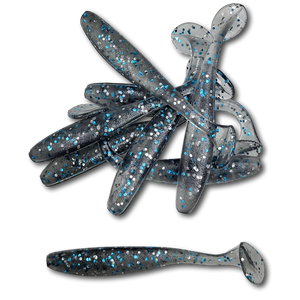
Why: The steady retrieve is the Bootkicker's bread-and-butter presentation. The wide paddle tail generates a consistent, thumping kick that mimics a baitfish swimming with purpose — hard for active predators to ignore.
Tuning: Speed up slightly in warmer water when fish are aggressive. Slow it down in cold or post-front conditions to keep the bait in the strike zone longer.
When/Where: Rocky points, gravel humps, and hard-bottom structure where fish are holding tight to the bottom. Particularly effective for walleye.
How: After the bait hits bottom, lift the rod tip smoothly from the 3 o'clock to 11 o'clock position, then drop it back on semi-slack line and reel up the slack as the bait falls. Repeat.
Why: The falling bait mimics a dying or disoriented baitfish — one of the most natural and effective triggers for bottom-oriented predators. The paddle tail kicks erratically on the drop, adding action without any effort from the angler.
Tuning: Let the bait fully reach bottom between lifts for inactive fish. Shorten the pause and increase lift height when fish are more aggressive.
When/Where: Grass edges, submerged vegetation, and shallow timber from 1–6 feet. Best when bass are holding tight to cover and not actively chasing.
How: Cast past the target, let the bait settle just above the cover, and retrieve as slowly as possible while still maintaining paddle action. The goal is to keep the bait crawling just over the tops of the grass or wood without fouling.
Why: A slow roll gives reluctant fish extra time to commit. The Bootkicker's wider body displaces more water than a slim swimbait at the same speed, so it still produces strong vibration even on a near-stop retrieve.
When/Where: Open water and mid-column fish — particularly suspended bass and walleye over deep structure or basin areas.
How: Cast out and count the bait down to a specific depth before beginning your retrieve. If you mark fish at 10 feet on sonar, count the bait to that level, then maintain a retrieve speed that keeps it tracking at that depth throughout.
Why: Many anglers fish swimbaits near the bottom by default — but suspended fish won't chase down. Counting down and staying in the zone where fish are holding dramatically increases contact with suspended fish that would otherwise never see the bait.
Tuning: Note your count and retrieve speed when you get a bite, then repeat it. Consistency at the right depth is more important than any other variable for suspended fish.
When/Where: Warm water, active fish, and any situation where reaction strikes are the trigger — open flats, points, and post-spawn bass.
How: Burn the bait quickly for 3–5 turns of the reel, then kill the retrieve entirely and let it flutter and fall on slack line. Repeat. The sudden stop and free fall is usually when the bite happens.
Why: Fast-moving prey that suddenly goes limp is one of the most powerful triggers in fishing. The Bootkicker's paddle tail kicks hard during the burn, then flutters seductively on the fall — a one-two combination that can draw strikes from fish that ignored a steady retrieve.