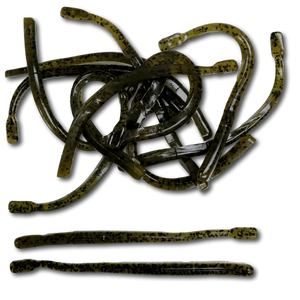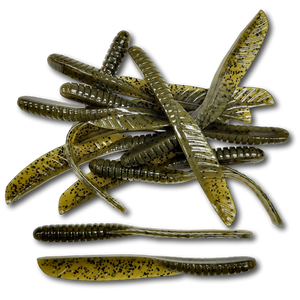



So Good Baits 6.5" Hand Poured Treat Worm Soft Plastic Bait
$7.99
(No reviews yet)

Write a Review
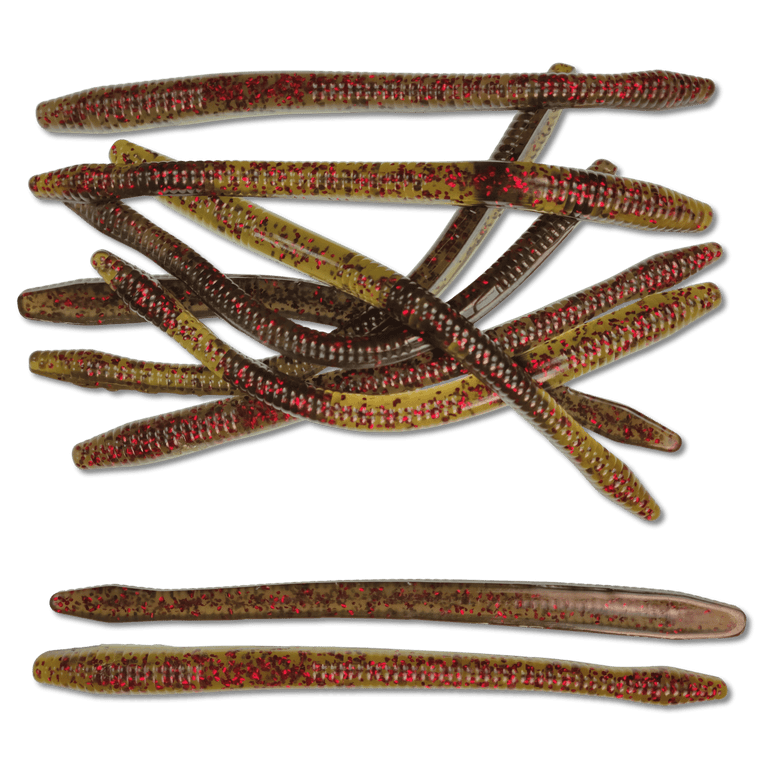
So Good Baits 6.5" Hand Poured Treat Worm Soft Plastic Bait
On-the-water overview (demo copy)
This is placeholder text for Jiggin’ Johnson’s new template shell.
Once we’re happy with the layout and behavior, we’ll plug in real product
descriptions, rigging tips, and JJ-specific language.
Specs & build (demo copy)
Specs & build (demo copy)
Care & storage (demo copy)
Care & storage (demo copy)
Best ways to fish it (demo)
Swim Jig Trailer
Shallow grass, slow roll
Texas Rig
Pitching to cover
Ball Jig Head
Dragging sand or rock
Split Shot
Natural subtle glides
How, where, and why it excels: The 6.5" Treat Worm is your “do a lot with one worm” option—long enough to show up, but still finesse-friendly when you slow down and let the tail work on its own. When/Where: Flats, points, and transition edges when you want to cover water while staying near bottom. How: Drag-sweep a few feet, then pause. During the pause, lightly shake slack to keep the tail alive without moving the weight. Why: A long worm profiles well behind a C-rig and keeps producing even when fish want a slower, steadier look. When/Where: Clear to stained water, rock edges, docks, and suspended fish when you need a bait that can “hover” in place. How: Nose hook for max action or go weedless around cover. Keep the shake small and intentional—more “pulse” than “dance.” Why: The worm holds a clean baitfish/worm silhouette and gets bites when fish are staring but not committing. Tuning: If bites are just nips, shorten your leader so the bait stays tighter to the weight and easier to inhale. When/Where: Hard bottom, dock lanes, and shallow-to-mid depth transitions—especially when fish respond to a vertical fall. How: O-ring the midsection, add a nail weight, and hop it lightly. Let it fall on semi-slack so it can wander a bit. Why: Neko rigging turns the Treat Worm into a “fall first” presentation—often the easiest way to trigger pressured fish. When/Where: Grass edges, brush, laydowns, and dock posts where you need weedless and versatile. How: Rig perfectly straight. Work it with crawl-pause-pop: crawl it, pause it, then one short pop to make the tail answer. Why: Texas rig keeps the profile clean and lets you fish this worm through cover without losing the “slow and believable” vibe. When/Where: Windy days, deeper docks, or when you need a wacky fall but want tighter depth control. How: O-ring the middle, let it fall on semi-slack, then lift and follow it back down. Why: The head adds precision without turning your wacky presentation into a fast-fall deal. When/Where: Dock shade, calm water, and shallow edges when the slowest fall gets the most honest bites. How: O-ring the midsection and fish controlled slack. One or two tiny twitches is plenty—then let it glide and fall. Why: It’s a high-confidence rig when you’re learning a new area: easy cadence, easy bite detection, and very natural. When/Where: Shallow cover, over grass, and around cruisers when you want maximum hang time. How: Texas-rig it weightless and commit to the pause. Let it fall, then barely move it. Why: A slow fall turns “following” fish into “biting” fish—especially when they’ve seen everything else.Carolina Rig
Drop Shot
Neko Rig
Texas Rig
Wacky Jig Head
Wacky Rig
Weightless Rig