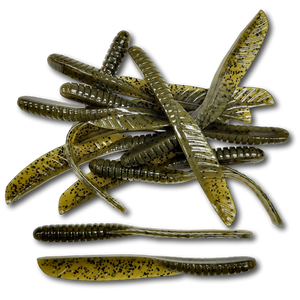

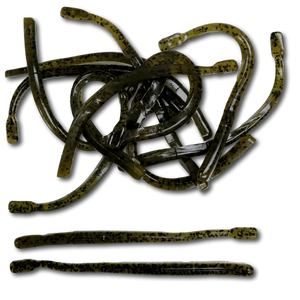

So Good Baits 4.5" Hand Poured Soft Plastic Bot Worm
$7.99
(No reviews yet)

Write a Review

So Good Baits 4.5" Hand Poured Soft Plastic Bot Worm
On-the-water overview (demo copy)
This is placeholder text for Jiggin’ Johnson’s new template shell.
Once we’re happy with the layout and behavior, we’ll plug in real product
descriptions, rigging tips, and JJ-specific language.
Specs & build (demo copy)
Specs & build (demo copy)
Care & storage (demo copy)
Care & storage (demo copy)
Best ways to fish it (demo)
Swim Jig Trailer
Shallow grass, slow roll
Texas Rig
Pitching to cover
Ball Jig Head
Dragging sand or rock
Split Shot
Natural subtle glides
How, where, and why it excels: The Bot Worm is a finesse-first worm with a subtle “do something” tail—built for slow presentations, light weight, and pressured fish. When/Where: Points, sparse grass, and clean breaks when you want to keep a worm moving but still stay near bottom. How: 18–36" leader, light wire EWG or straight-shank worm hook. Drag-sweep, then pause—let the tail settle and “idle” behind the weight. Why: The slimmer body keeps it natural, and the tail shows life even when the bait is barely moving. When/Where: Clear to stained water, vertical edges, rock, docks, and anywhere fish are hovering just off bottom. How: Nose hook for maximum finesse, or re-rig weedless with a small EWG when you’re around cover. Keep the shake small—think “tremble,” not “dance.” Why: This profile stays compact and looks alive with minimal input—perfect for getting bites when your usual worm feels too busy. Tuning: If short strikes are happening, shorten the tag to keep the bait closer to the weight and in the fish’s face. When/Where: Hard bottom, transitions, and dock lanes—especially when fish are reacting to a vertical fall. How: Insert a nail weight in the head or tail depending on the fall you want; rig with an O-ring and finesse hook. Hop lightly and let it pendulum back down. Why: The Bot Worm’s tail tip adds a tiny kick at the end of the fall—often the exact moment bites happen. When/Where: River current seams, rock, and open-water finesse where you want easy casting and clean bottom contact. How: Thread it straight. Swim it just above bottom, then add brief stalls—let the tail keep working while the head holds position. Why: Simple rig, high feedback, and a very natural “minnow-worm” look that crosses over to multiple species. When/Where: The default when you need finesse but still want weedless: grass edges, laydowns, and dock posts. How: Light weight (or weightless) and a small EWG/straight-shank. Crawl it, pause it, then give one short pop to make the tail “answer.” Why: You get a clean, subtle worm that can still slip through cover without turning into a full-size power worm deal. When/Where: Windy days or deeper water where you still want a wacky fall but need a little extra control. How: O-ring the middle, let it fall on semi-slack line, then lift and follow it down. Why: The added head weight turns “wacky” into a more precise tool—great for target casting and repeatable depth. When/Where: Docks, shallow shade, and calm-water finesse when you want the slowest, most honest fall. How: O-ring the center and fish it on controlled slack. One or two small twitches is plenty—let the bait do the work. Why: It’s the “no excuses” rig: minimal hardware, maximum realism, and easy to fish when you’re learning a new spot. When/Where: Shallow edges, calm evenings, and spooky fish in skinny water. How: Texas-rig it weightless or wacky it—then commit to patience. Let it glide, then barely move it. Why: The Bot Worm stays subtle but still gives you a little tail “tick” on the fall—enough to get noticed without screaming.Carolina Rig
Drop Shot
Neko Rig
Standard (Ball) Jig Head
Texas Rig
Wacky Jig Head
Wacky Rig
Weightless Rig