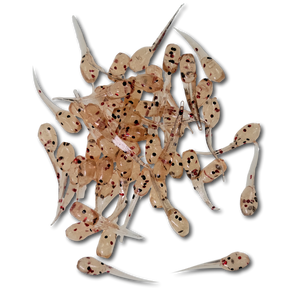



Jiggin' Johnsons' Twitch 3.4" Soft Plastic Finesse Bait
$3.99
(No reviews yet)

Write a Review

Jiggin' Johnsons' Twitch 3.4" Soft Plastic Finesse Bait
On-the-water overview (demo copy)
This is placeholder text for Jiggin’ Johnson’s new template shell.
Once we’re happy with the layout and behavior, we’ll plug in real product
descriptions, rigging tips, and JJ-specific language.
Specs & build (demo copy)
Specs & build (demo copy)
Care & storage (demo copy)
Care & storage (demo copy)
Best ways to fish it (demo)
Swim Jig Trailer
Shallow grass, slow roll
Texas Rig
Pitching to cover
Ball Jig Head
Dragging sand or rock
Split Shot
Natural subtle glides
Ned Rig
When/Where: Clear to lightly stained water, pressured fish, rocky bottoms, and hard edges.
How: Rig on a light mushroom-style head and let it fall on slack line. Subtle shakes and slow drags do the work.
Why: The Twitch excels when less is more—small movements keep it looking alive without overworking it.
Tuning: When bites are light, stop shaking and let it sit. Dead-stick pauses often trigger the bite.
Standard (Ball) Jig Head
When/Where: Open water, current seams, and deeper transitions.
How: Swim slowly just off bottom or hop with short lifts and controlled falls.
Why: The streamlined profile tracks clean and stays natural at finesse speeds.
Tuning: Adjust weight to keep bottom contact without dragging.
Drop Shot
When/Where: Suspended or neutral fish, clear water, and “follow but won’t bite” situations.
How: Nose-hook or lightly texpose. Shake in place and move inches at a time.
Why: Keeps the bait hovering in the strike zone without traveling far.
Tuning: Reduce motion before changing locations—often they just need more time.
Hover Jig
When/Where: Suspended fish or mid-column roamers.
How: Twitch lightly and let the bait glide on slack line.
Why: The Twitch hangs and darts without aggressive input.
Tuning: Slack line is critical—glide comes from release, not force.
Wacky Jig Head
When/Where: Calm conditions, docks, and shallow structure.
How: Rig through the midpoint and let it fall on controlled slack.
Why: Maximizes subtle vibration without added movement.
Tuning: Lighter heads increase hang time and draw longer looks.
Weightless Rig
When/Where: Shallow flats, ultra-clear water, and spooky fish.
How: Let it glide and fall naturally with tiny rod-tip twitches.
Why: Natural fall rate and minimal displacement shine when fish are cautious.
Tuning: If you need depth without losing glide, move to the lightest jig head possible.