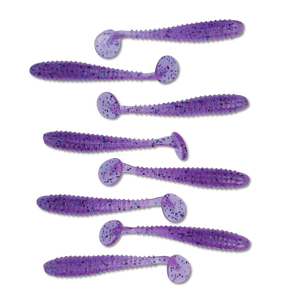



Jiggin' Johnsons' Slayer 2.0" Soft Plastic Minnow Bait
$3.99
(No reviews yet)

Write a Review
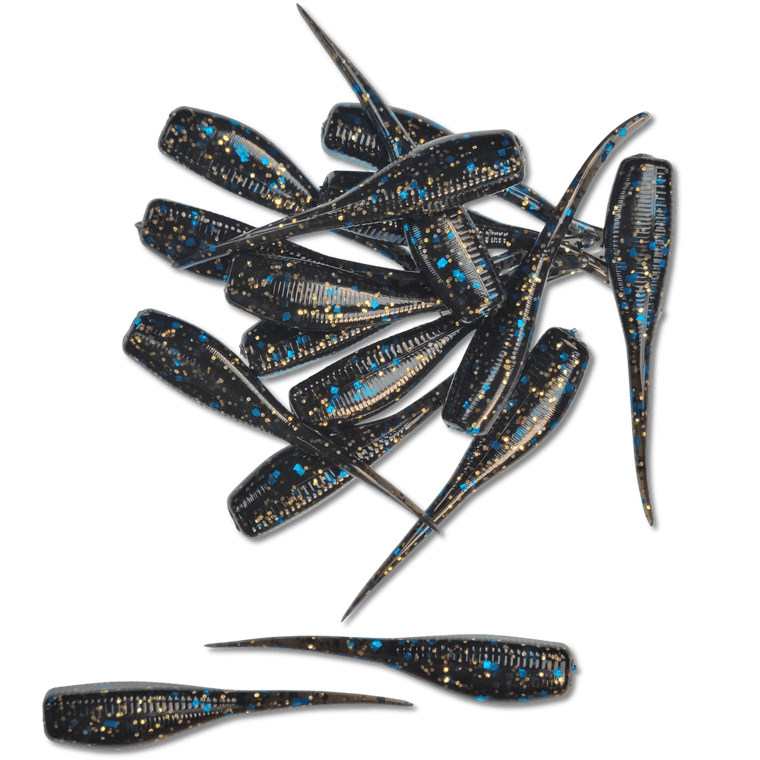
Jiggin' Johnsons' Slayer 2.0" Soft Plastic Minnow Bait
On-the-water overview (demo copy)
This is placeholder text for Jiggin’ Johnson’s new template shell.
Once we’re happy with the layout and behavior, we’ll plug in real product
descriptions, rigging tips, and JJ-specific language.
Specs & build (demo copy)
Specs & build (demo copy)
Care & storage (demo copy)
Care & storage (demo copy)
Best ways to fish it (demo)
Swim Jig Trailer
Shallow grass, slow roll
Texas Rig
Pitching to cover
Ball Jig Head
Dragging sand or rock
Split Shot
Natural subtle glides
The Slayer 2.0" is a compact, ribbed minnow with a pronounced belly and a slender pin tail that pulses and glides with minimal effort. It earns bites when fish want a small, realistic target and won't commit to anything louder. When & Where: Windy banks, shallow grass edges, and riprap when fish are following but not fully committing. How: Thread straight as a finesse trailer and run a smooth, steady retrieve. Let the blades draw fish in; the minnow closes the deal at the last second. Why: The compact ribbed body adds a realistic baitfish target without overpowering a smaller spinnerbait profile. Tuning: If it rolls, re-thread perfectly centered and snug to the keeper. When & Where: Sparse grass, reeds, and shallow cover where fish are keyed on small forage. How: Steady swim with brief pauses in openings; restart slowly after each pause. Why: The slim minnow profile tracks clean behind a finesse jig head and gets eaten by fish that won't touch a bulkier trailer. Tuning: Adjust jig weight to control lift and depth before changing retrieve speed. When & Where: Clear to lightly stained water over sand, rock, or grass transitions. How: Slow swim with controlled pauses to let the bait glide and the blade flutter down. Why: Flash draws fish in; the Slayer's ribbed body and subtle pin tail convince followers at close range. Tuning: Keep it in the low-speed lane where this bait does its best work. When & Where: Dock shade, weed edges, and suspended fish sitting over structure. How: Nose-hook for maximum glide, or light-Texas for cover. Shake in place and let the pin tail do the work. Why: Holds a convincing minnow posture without needing to move forward, which is exactly what neutral fish want. Tuning: Shorten the leader and reduce shake intensity when bites feel especially light. When & Where: Hard bottom, riprap, and sparse grass where fish are in a "slow and low" mood. How: Drag-pause or use tiny hops and let it settle naturally between moves. Why: A small, realistic baitfish profile that produces classic Ned-style bites when fish won't chase. Tuning: Lift and glide over rock instead of dragging to keep the bait clean and snag-free. When & Where: Panfish schools, shallow rock, and current seams across species. How: Swim just off the bottom or count down and slow-roll at the target depth. Why: Simple jig-and-minnow presentation that produces across bass, walleye, crappie, and panfish. Tuning: Go lighter to keep it swimming instead of ticking bottom. When & Where: Reeds, sparse grass, and small wood where a weedless presentation matters. How: Crawl along bottom and occasionally lift to swim, then let it settle back down. Why: Weedless finesse with a true minnow silhouette that reads natural in tight cover. Tuning: Straight rigging is critical to prevent spin and keep the action clean. When & Where: Ultra-shallow flats, calm pockets, and spooky fish in clear water. How: Cast, let it sink on its own, then twitch-pause with long rests between moves. Why: The natural gliding fall and subtle pin tail movement are often all it takes for pressured or suspended fish. Tuning: Add a small nail weight near the head if you need a faster or more controlled sink rate.Spinnerbait (micro / compact)
Swim Jig (micro / finesse)
Underspin (micro)
Drop Shot
Ned Rig
Standard (Ball) Jig Head
Texas Rig (light)
Weightless Rig