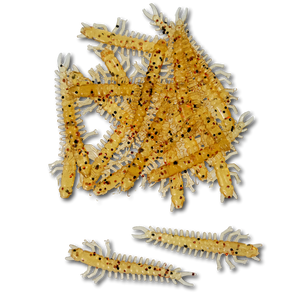

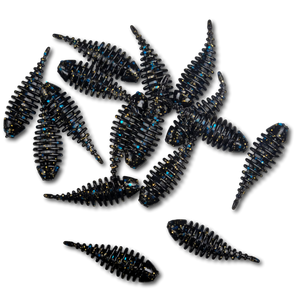

Jiggin' Johnsons' Goby 2.5" Finesse Soft Plastic Bait
$3.99
(No reviews yet)

Write a Review

Jiggin' Johnsons' Goby 2.5" Finesse Soft Plastic Bait
On-the-water overview (demo copy)
This is placeholder text for Jiggin’ Johnson’s new template shell.
Once we’re happy with the layout and behavior, we’ll plug in real product
descriptions, rigging tips, and JJ-specific language.
Specs & build (demo copy)
Specs & build (demo copy)
Care & storage (demo copy)
Care & storage (demo copy)
Best ways to fish it (demo)
Swim Jig Trailer
Shallow grass, slow roll
Texas Rig
Pitching to cover
Ball Jig Head
Dragging sand or rock
Split Shot
Natural subtle glides
Goby 2.5" is a bottom-hugging finesse profile that shines around rock, current, and hard edges. Fish it like real gobies behave: short scoots, quick settles, and long “do nothing” pauses right on the bottom. When/Where: Rock transitions, riprap, bridge corners, gravel points, and current seams where bottom forage is the meal. How: Thread it straight as a compact trailer. Crawl it with small pops and let it settle after every tick. Pause longer than you think. Why: A goby profile looks “heavy and real” on bottom without needing big flapping action. Tuning: If bites feel mushy, slow down and reduce rod movement. Let bottom contact do the talking. When/Where: Hard bottom, clear–stained water, pressured smallmouth water, and any place fish inspect baits closely. How: Drag in inches, then pause. Add a single hop only after a pause, then let it settle back down. Why: The goby look is a different “bottom story” than the usual stickbait Ned. Tuning: If you’re snagging, raise your rod angle and slow down; keep it gliding instead of digging. When/Where: Edges, breaks, and vertical targets when fish are holding just off bottom and won’t chase. How: Nose-hook or lightly thread. Hold it in the lane and use tiny pulses to keep it “alive” without traveling far. Why: You can present a goby profile in place—perfect for lookers that need time to commit. Tuning: If you’re only getting pecks, reduce movement and shorten the distance the bait travels. When/Where: Rock, docks, and edges where you want a controlled fall and a bottom “stand and quiver” posture. How: Light nail weight and short lifts. Let it settle back and sit between moves. Why: The pauses look natural—like a goby nosing bottom. Tuning: If it falls too fast, lighten the nail and slow your cadence. When/Where: Great “search” rig for rock and transitions, plus a clean option for mixed-species days. How: Hop-settle-pause. Keep hops small and let it sit after each contact point. Why: Simple jig heads keep the presentation honest and bottom-forward. Tuning: Match head weight to control, not speed. If you speed up, it stops looking like bottom forage. When/Where: Rock + weeds mixed together, wood edges, and snaggy lanes where open hooks hang up. How: Use the lightest weight that keeps you in contact. Crawl through openings and let it settle. Why: Weedless goby profile that still looks bottom-oriented. Tuning: If it rides too high, add a touch of weight rather than increasing retrieve speed. When/Where: Sparse grass edges and shallow transitions when you want a clean track without constantly clearing weeds. How: Slow swim with brief stalls. Let it drop back to bottom occasionally to keep the goby story believable. Why: Keeps the bait weed-friendly while still presenting a compact forage profile. Tuning: If the bite is light, add longer stalls and keep the bait in one lane longer.Finesse/Compact Jig
Ned Rig
Drop Shot
Neko Rig
Standard (Ball) Jig Head
Texas Rig
Weighted Swimbait Hook