



Jiggin' Johnsons' Chub Grub 4.0" Soft Plastic Bait
$4.99
(No reviews yet)

Write a Review
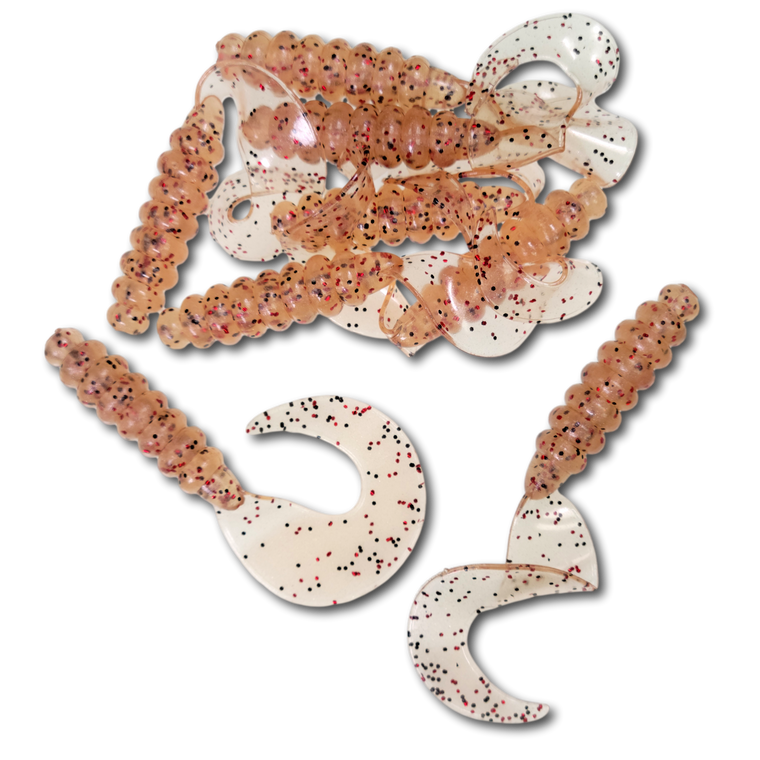
Jiggin' Johnsons' Chub Grub 4.0" Soft Plastic Bait
On-the-water overview (demo copy)
This is placeholder text for Jiggin’ Johnson’s new template shell.
Once we’re happy with the layout and behavior, we’ll plug in real product
descriptions, rigging tips, and JJ-specific language.
Specs & build (demo copy)
Specs & build (demo copy)
Care & storage (demo copy)
Care & storage (demo copy)
Best ways to fish it (demo)
Swim Jig Trailer
Shallow grass, slow roll
Texas Rig
Pitching to cover
Ball Jig Head
Dragging sand or rock
Split Shot
Natural subtle glides
Bladed Jig
When/Where: Anytime you want thump + flash but still need a trailer that starts working immediately—wind, stain, or when fish are tracking by feel.
How: Thread it straight so the ribbed body sits centered. Let the curl tail “hunt” behind the blade on a steady retrieve, then mix in short pauses to let the tail kick back up.
Why: The ribbing holds water and the tail stays active at slower speeds, which helps your bladed jig keep doing “something” even when you’re barely crawling it.
Tuning: If it rolls, re-thread perfectly centered and pinch the nose flat so it seats tight to the keeper.
Spinnerbait
When/Where: Edges—weedlines, rock transitions, and shallow flats where you’re covering water and triggering reaction bites.
How: Use it as a bulkier trailer that adds drag and slow-roll control. A steady retrieve with occasional rod-tip pops will make the tail flare and re-engage.
Why: It gives you a bigger profile without needing a huge blade package, and the curl tail keeps pulsing when the bait momentarily stalls.
Tuning: If you want more lift, rig it perfectly straight and keep the tail free (don’t bury it in the skirt).
Swim Jig
When/Where: Over grass tops, along reeds, and through sparse cover—especially when fish want a steady “swimming” meal with extra tail action.
How: Swim it on a medium retrieve, then kill it for half a second near pockets or turns—tail keeps moving as the jig glides.
Why: The ribbed body adds presence and the curl tail keeps working when the jig is barely moving, which is money around pressured fish.
Tuning: Trim the skirt slightly if you want the tail to show more and start faster.
Underspin
When/Where: Points, breaks, and open-water edges where fish are relating to bait—great when you want subtle flash plus a lively tail.
How: Slow-roll just off bottom or count it down and swim it through the level you’re marking fish. The curl tail keeps pulsing even at slower speeds.
Why: You get a clean “bait-meets-meat” look: flash from the blade and continuous action from the tail, without needing a paddle tail profile.
Tuning: If you’re missing short strikers, downsize the hook gap (or choose a head with a slightly shorter shank) so the tail isn’t too far back.
Carolina Rig
When/Where: Sand/rock transitions, flats, and outside grass edges when you want bottom contact but a bait that still “swims” behind the weight.
How: Drag and pause. Let the weight tick bottom while the grub trails behind and the curl tail keeps waving on slack line.
Why: It’s a great way to cover bottom fast while still showing a moving-bait signal—especially when fish are following but not committing to faster stuff.
Tuning: Longer leader = more glide and tail time; shorter leader = tighter, more bottom-oriented presentation.
Standard (Ball) Jig Head
When/Where: The do-it-all option—cast, count down, and swim; or hop along bottom on rocks and hard transitions.
How: Rig dead-straight. Swim it steadily, then add small hops. On the fall, the tail keeps fluttering and the ribs “push” water.
Why: Simple, consistent, and effective across species—this is the fastest way to turn the Chub Grub into a true multi-purpose bait.
Tuning: Go lighter to keep it higher and slower; go heavier to keep it pinned in wind/current.
Texas Rig
When/Where: Around cover where you still want a swimming tail—laydowns, weeds, and edges where a jighead hangs up.
How: Light weight, steady swim with occasional stops. The curl tail will keep moving on the pause and help fish track it through cover.
Why: You keep that grub action but gain weedlessness and a more “free” tail behind the body.
Tuning: Skin-hook the point and keep the body straight; any kink will make it roll.


