




Jiggin' Johnsons' Blitz Grub 2.0" Soft Plastic Bait
$3.99
(No reviews yet)

Write a Review
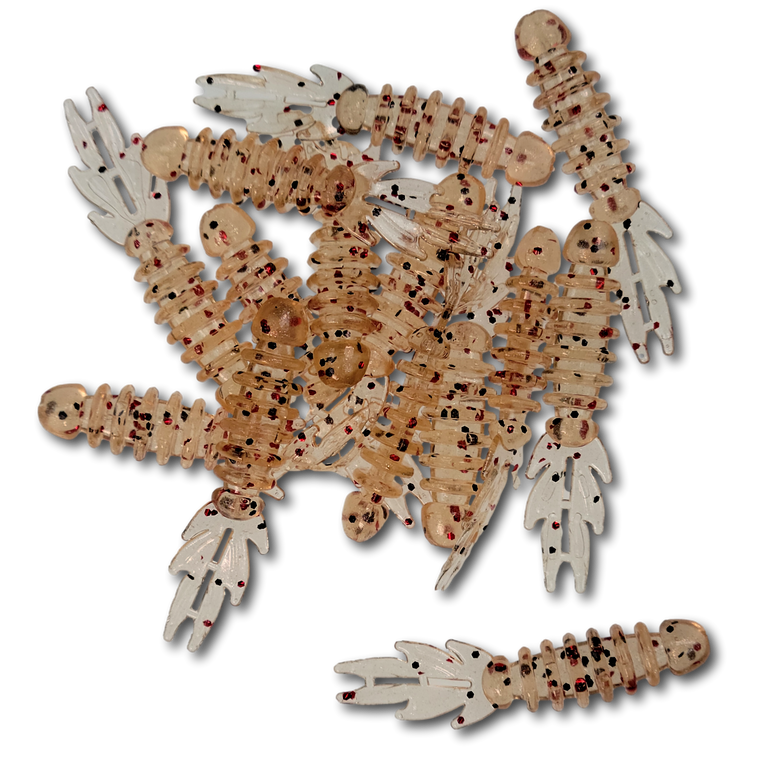
Jiggin' Johnsons' Blitz Grub 2.0" Soft Plastic Bait
On-the-water overview (demo copy)
This is placeholder text for Jiggin’ Johnson’s new template shell.
Once we’re happy with the layout and behavior, we’ll plug in real product
descriptions, rigging tips, and JJ-specific language.
Specs & build (demo copy)
Specs & build (demo copy)
Care & storage (demo copy)
Care & storage (demo copy)
Best ways to fish it (demo)
Swim Jig Trailer
Shallow grass, slow roll
Texas Rig
Pitching to cover
Ball Jig Head
Dragging sand or rock
Split Shot
Natural subtle glides
The Blitz Grub is a compact, do-it-all profile that earns its keep as a trailer or a standalone jighead bait. It’s the “small bait that still moves water” option—easy to fish, easy to tune, and money when you need steady action without a big footprint. When/Where: Wind, chop, stained water, and anytime you want a little extra vibration without upsizing your whole presentation. How: Thread it straight so the tail tracks true. Start with a steady retrieve, then add short stalls—often the bite happens right as it re-starts. Why: The grub tail keeps moving at slower speeds, helping the bait “hunt” when fish are following but not committing. Tuning: If it rolls, re-rig straighter and/or trim a tiny bit off the head so it seats perfectly. When/Where: Around scattered grass, wood edges, docks, and wind-blown banks—especially when fish want a smaller trailer. How: Thread it snug and centered. Slow-roll it deeper, or wake it higher in the column with the rod tip up. Why: It adds lift + a consistent tail thump that complements blades without overpowering them. Tuning: For more “hang time,” run it a touch higher and kill it next to cover. When/Where: Shallow grass lanes, weed edges, and along hard transitions where fish pin bait to cover. How: Swim it steadily, then pop it free when you tick grass. Keep the trailer straight so the jig tracks true. Why: The tail stays active at slow speeds, so you can fish it “patient” and still look alive. Tuning: If you want less lift, rig it perfectly straight and keep your rod tip down. When/Where: Clear to lightly stained water, schooling fish, or anytime you want subtle flash without going full-size swimbait. How: Thread it straight and fish a steady retrieve. Mix in a few quick turns of the handle to change cadence. Why: The combination of flash + tail action is a reliable “search” look that still feels finesse. Tuning: If short strikes show up, slow down and keep it level through the strike zone longer. When/Where: Rivers, current seams, rock, sand, and any time you want a simple “count it down and go” presentation. How: Cast, let it fall, then swim it just off bottom. Mix in short hops when you contact rock. Why: It’s the cleanest way to let the tail do the work—great for covering water while still staying in the strike zone. Tuning: If you’re snagging, lighten up and keep it moving; if you’re not touching bottom enough, bump weight slightly. When/Where: Grass, brush, and shallow cover where you need a weedless small profile. How: Rig it straight and snug. Swim it through openings, then let it fall on a semi-slack line next to targets. Why: You get a compact bait that can still “swim” on the move, but won’t hang up like exposed-hook options. Tuning: If bites are timid, try a lighter weight and longer pauses on the fall.Bladed Jig
Spinnerbait
Swim Jig
Underspin
Standard (Ball) Jig Head
Texas Rig


